Artistic Collaborations Trends

Art collaborations for mindful brand experiences

As consumers seek relief from speed, digital saturation and constant stimulation, mindfulness is reshaping what they expect from brands. While art collaborations for mindful brand experiences can create slower, more sensorial and consumer-centered encounters across hospitality, beauty, fragrance, fashion, home and wellness. Crucially, they can extend artistic engagement far beyond the product itself.

But how can art help brands design for a slower world ?

Maison Ruinart x Julian Charrière- Chorales

Table of Contents

  • Why mindfulness matters to brands

    Consumers are increasingly drawn to experiences that counter speed, digital saturation and constant stimulation. With slow travel, wellness retreats, quiet luxury, tea rituals and the renewed appeal of craft it all point to the same desire: more time, greater sensory quality and less noise.

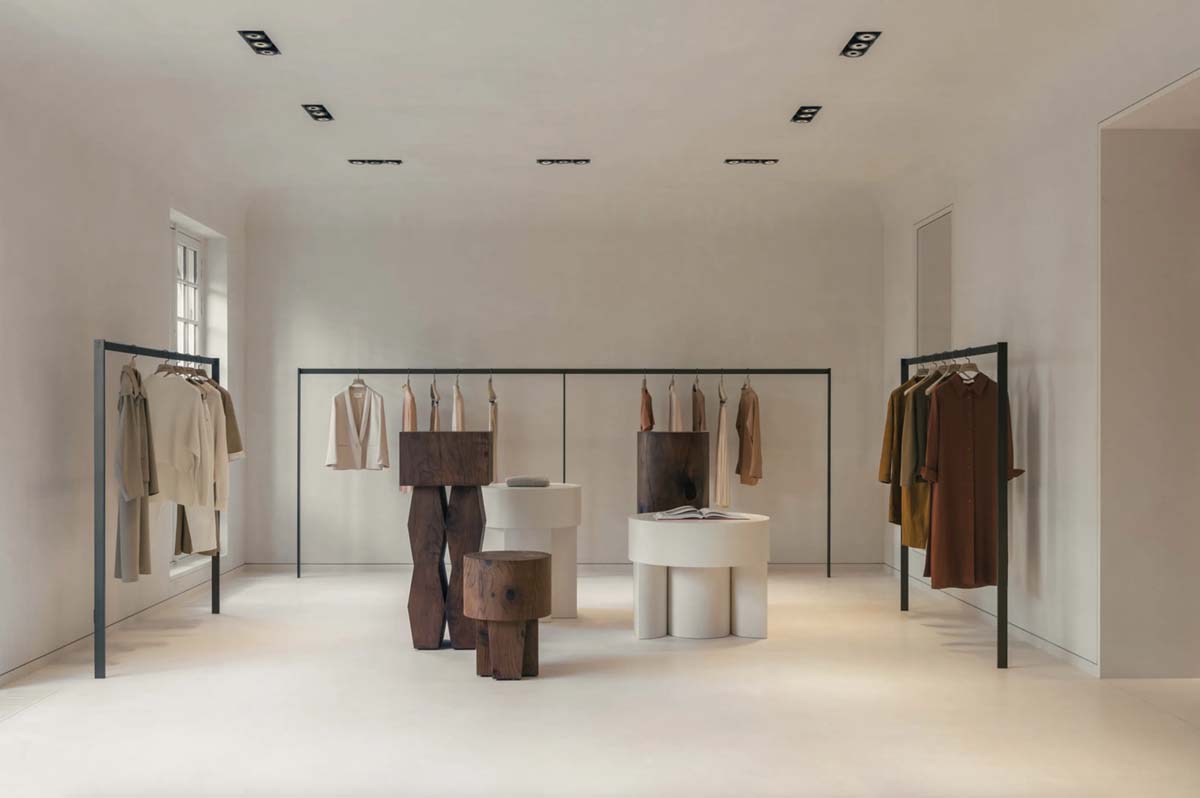
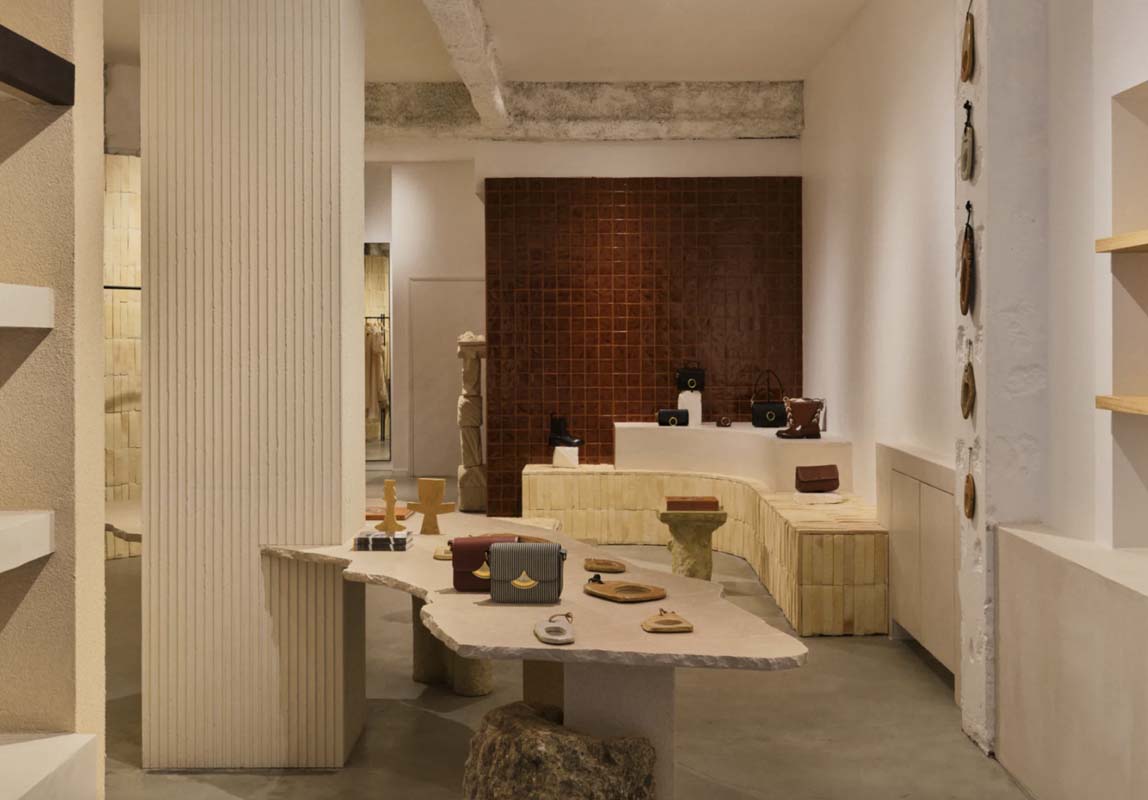
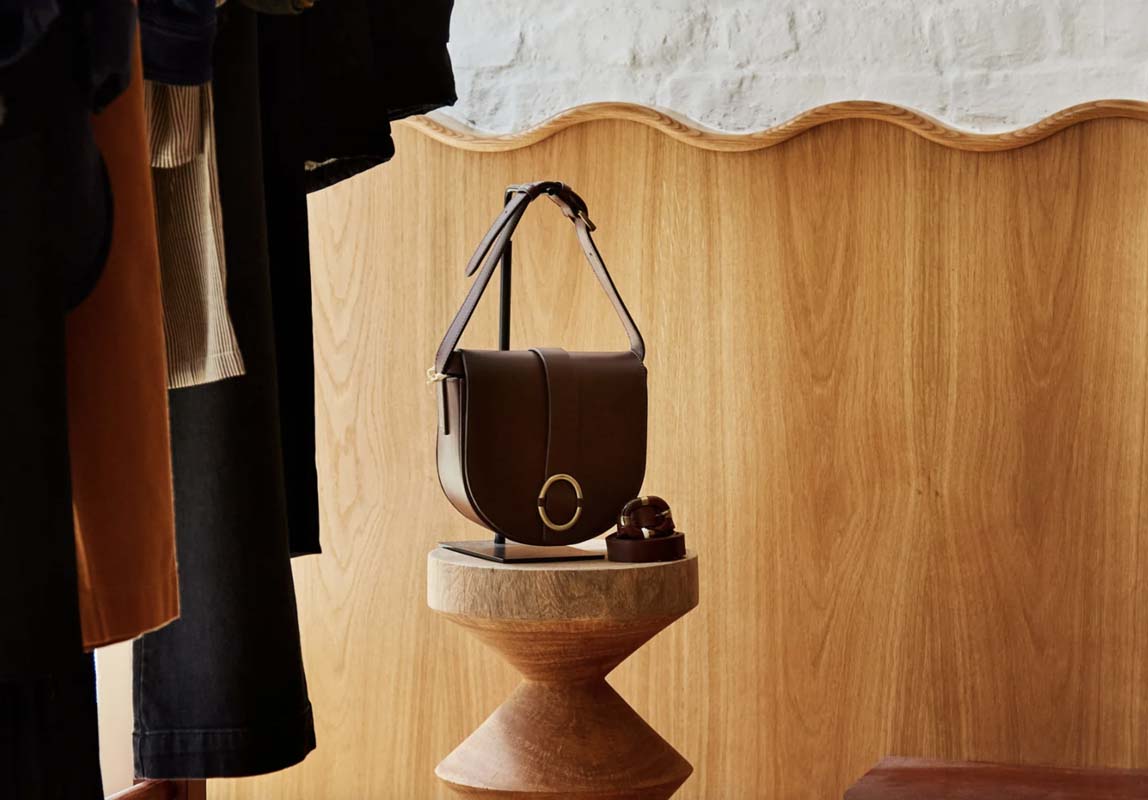
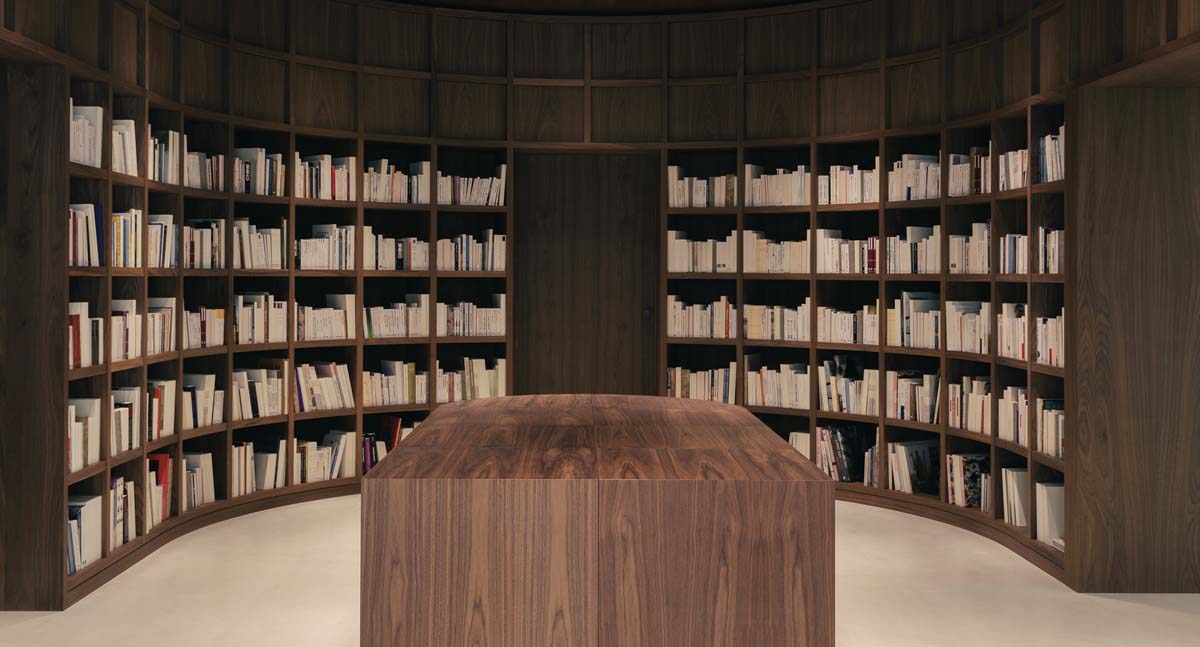
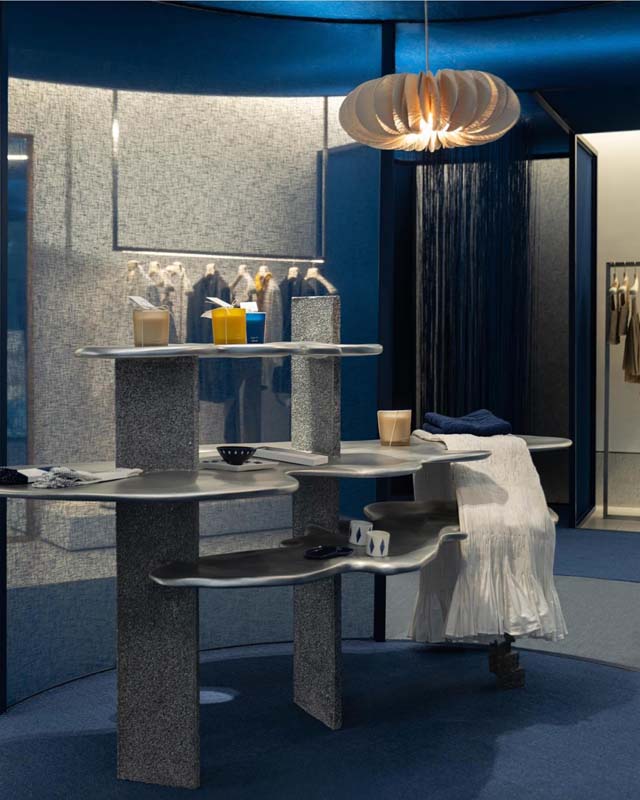
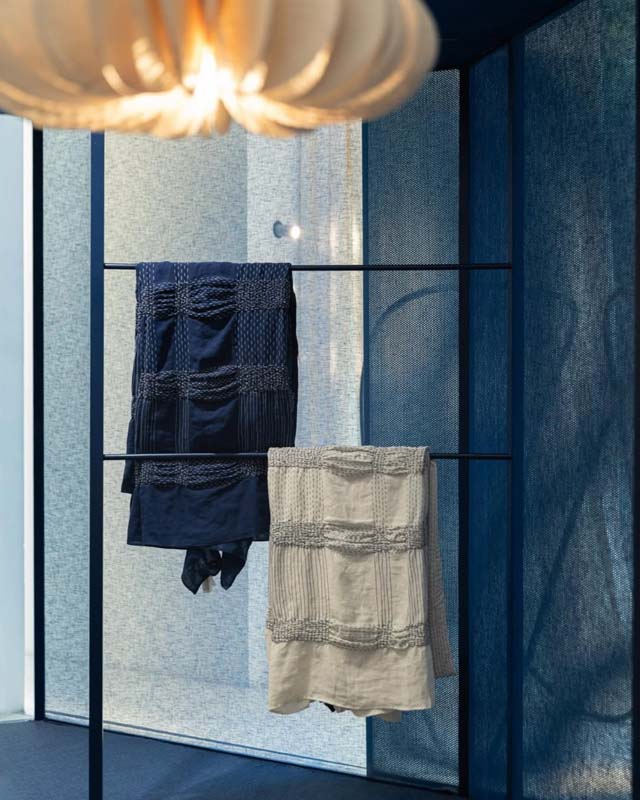
    This shift matters especially in hospitality, spas, beauty, fragrance, fashion, home and tea. In these categories, the experience around an object can be as valuable as the object itself. Brands such as ICICLE and Sessùn have already built worlds around natural materials, craft, place and a quieter relationship to consumption.

    Art is particularly relevant because it can make slowness tangible. When repetition reveals duration, handwork records gesture. Where materials invite touch, abstraction sustains attention. Sound, scent, light and water can also alter perception. Mindfulness is therefore less a theme to illustrate than a way to design how an encounter unfolds.
    Icicle - Boutique Paris George V
    Icicle - Cultural Space
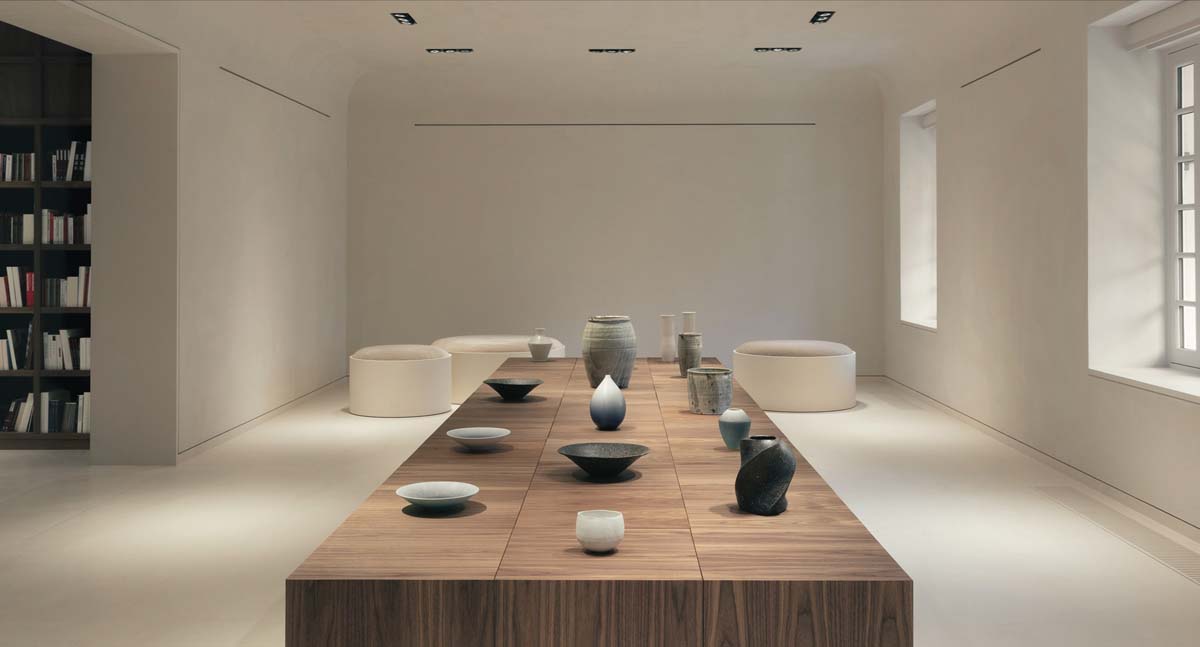
    Icicle - Library
    Sessùn - Paris Bachaumont
    Sessùn - Londres Shoreditch
  • What mindfulness looks like in contemporary art

    Mindfulness does not have one visual language. Its strongest artistic expressions are grounded in how a work is made or experienced, rather than in familiar wellness imagery.

    • Meditative processes – Repetition, concentration and accumulated gestures can turn making into a form of attention. Fu Xiaotong builds paper works from thousands of hand-pierced holes while Ding Yi develops evolving grids of crosses. Both artists make time visible without illustrating it literally.
    • Slow making – Weaving, embroidery, ceramics, lacquer, carving and paper construction embed patience and skill in the finished work. In a culture of instant production, time itself becomes a luxury material.
    • Tactile and natural materials – Clay, fibre, wood, stone, paper and textile all communicate through weight, softness, grain, translucency and irregularity. Their impact is physical before it is narrative.
    • Low-stimulation color – Mineral tones, off-whites, misty grey and translucent or dreamy pastels can lower visual intensity. Yet this territory need not be reduced to beige. Softness can also be luminous, chromatic and contemporary.
    • Abstraction and repetition – Grids, gradients, organic forms and fields of color privilege perception over immediate storytelling. They reward duration and allow viewers to find their own rhythm within the work.
    • Sensorial and immersive art – Sound, scent, light, water, texture and temperature move the audience from looking at an artwork to entering an experience. As a result, these practices offer a natural bridge to fragrance, spa, hospitality and retail.
  • How brands create mindful experiences through art

    The clearest way to understand this trend is through collaboration formats. Each format creates a different relationship to time, participation and place. Together, the following projects show that art collaborations for brands can influence both the object and the wider consumer experience.

  • 1. Premium artist collaborations and limited editions

    In premium objects, value comes not only from scarcity. It also comes from visible evidence of artistic time. Zara Home translated Fanglu Lin’s textile practice into embroidered linens, quilts, ceramics and objects shaped by knotting, wrapping and layering.

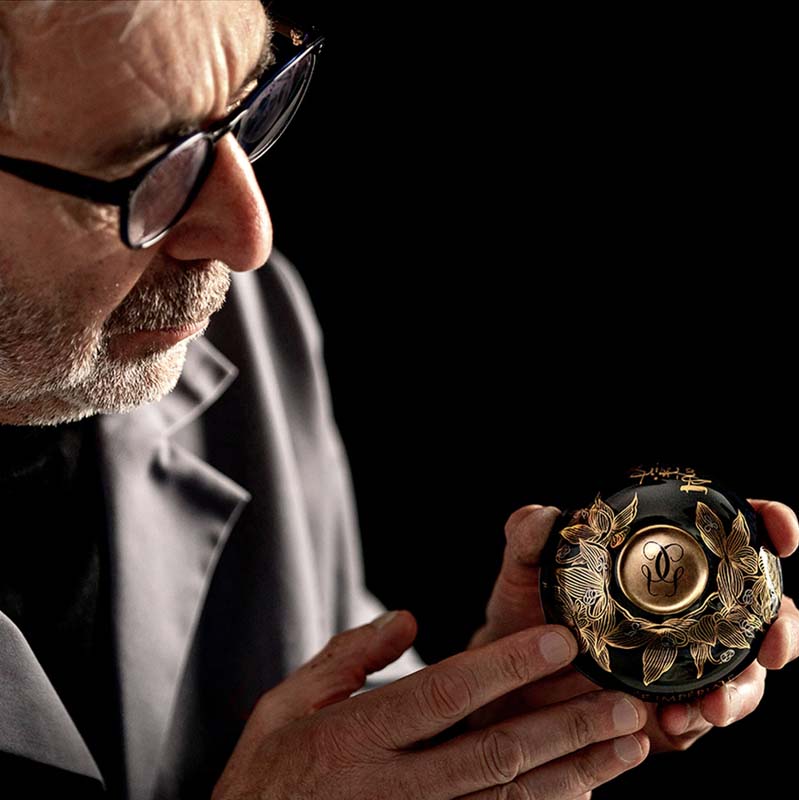
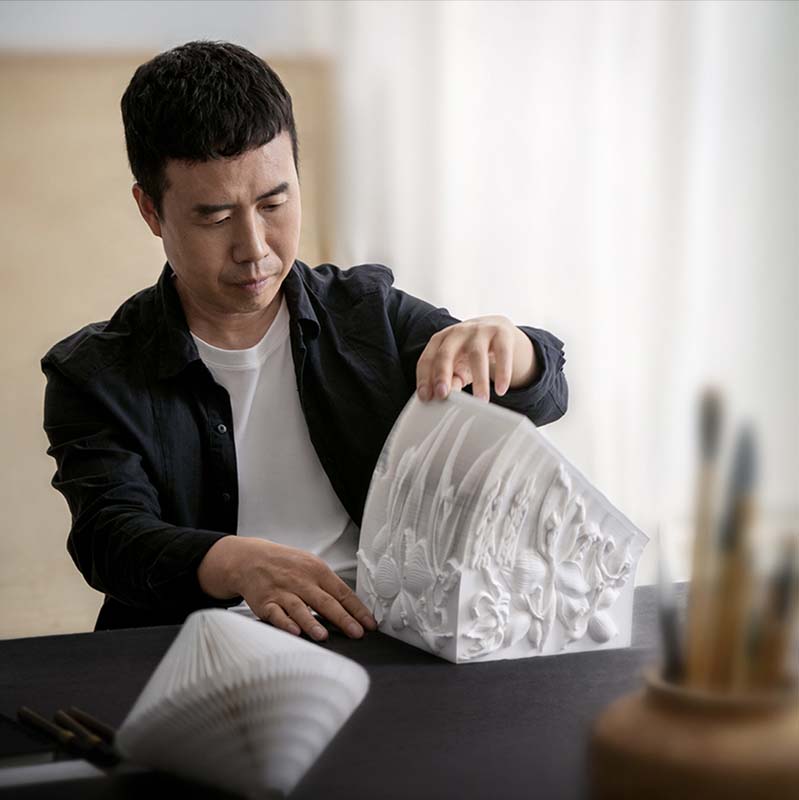
    Guerlain paired Li Hongbo’s expandable paper sculpture with Bernardaud’s hand-painted porcelain for an Orchidée Impériale Black art edition. The original paper work required thousands of sheets and one to two months of making. Here, technique gives the object a sense of duration that conventional decoration could not provide.

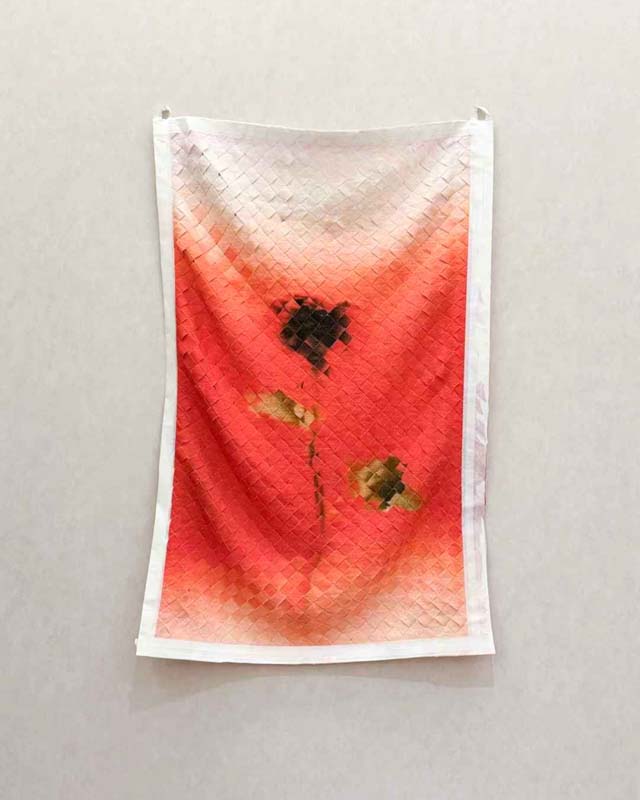
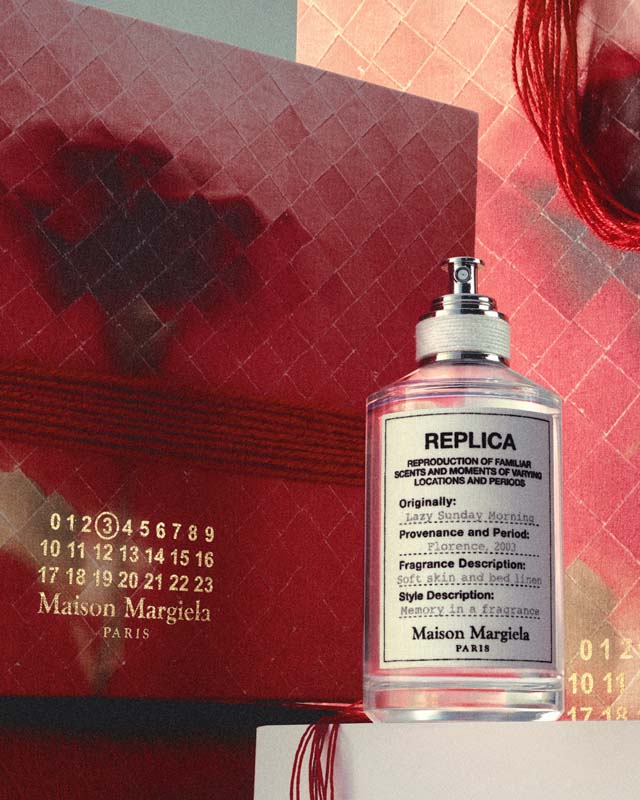
    Maison Margiela Fragrances × Jiayi Liu offers another expression of the same idea. For Woven Love Memories, a photograph of a rose printed on silk was cut into strips and rewoven by hand. The process transformed an image into a tactile construction of memory.

    Guerlain X Bernardaud - Orchidée Impériale Black
    Guerlain x Li Hongbo - Orchidée Impériale Black
    Maison Margiela Fragrances X Lia Jiayi - Woven Love Memories
    Maison Margiela Fragrances X Lia Jiayi - Woven Love Memories
    Zara Home x Fanglu Lin
    Zara Home x Fanglu Lin
  • 2. Exhibitions and cultural spaces

    An exhibition gives audiences permission to stay with a brand without asking them to shop immediately. ICICLE‘s SPACE in Shanghai makes this approach structural rather than temporary. Its 3,600-square-metre flagship brings together fashion, a gallery, books, food and cultural programming. Art becomes part of the environment surrounding the product, rather than an image applied to it.

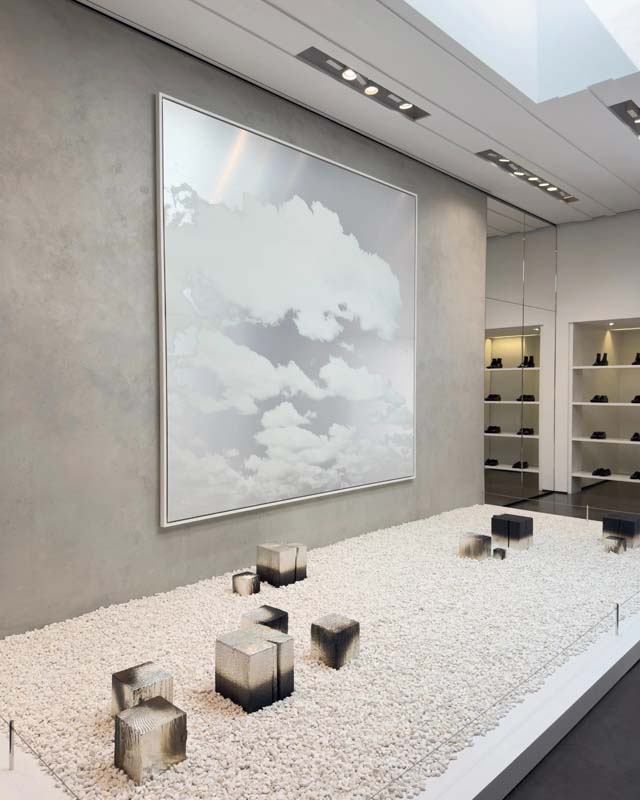
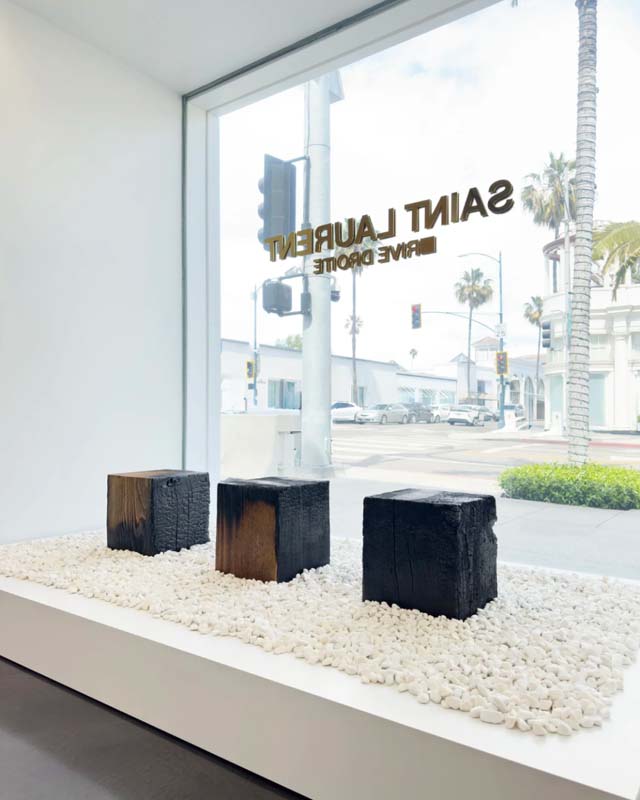
    In Los Angeles, Saint Laurent Rive Droite presented Mono no aware by Miya Ando in 2025, curated by Anthony Vaccarello. The exhibition approached mindfulness through a culturally specific understanding of time. Inspired by the Japanese awareness of transience, Ando’s subtle variations in image and surface rewarded sustained observation. Contemplation emerged through attention to natural cycles, change and impermanence.

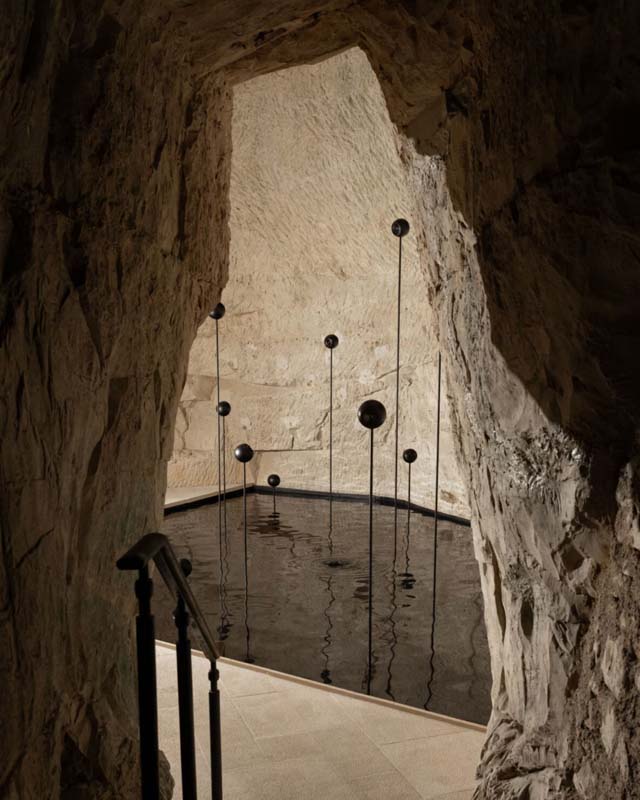
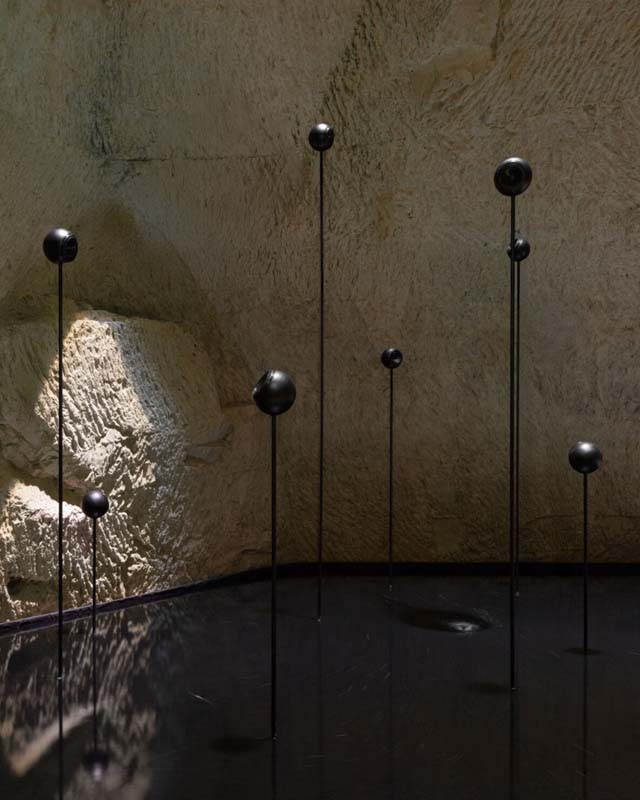
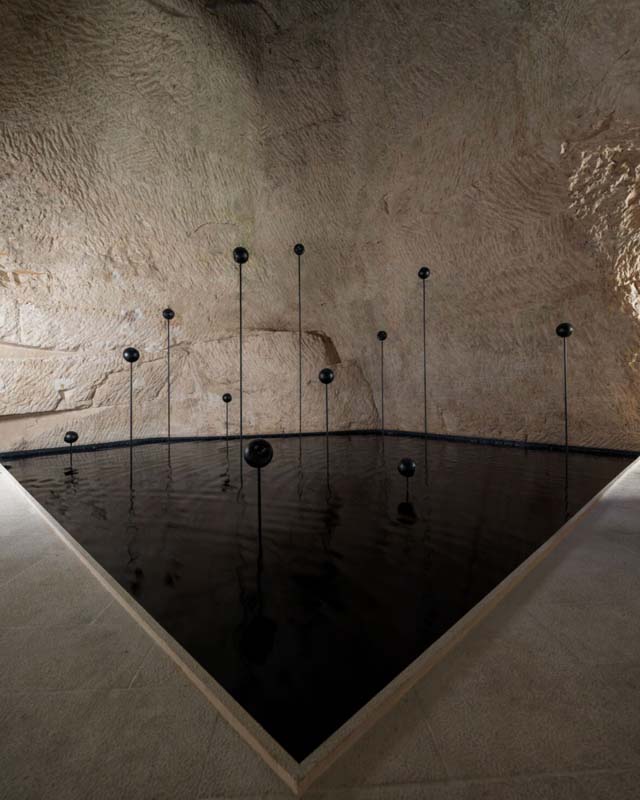
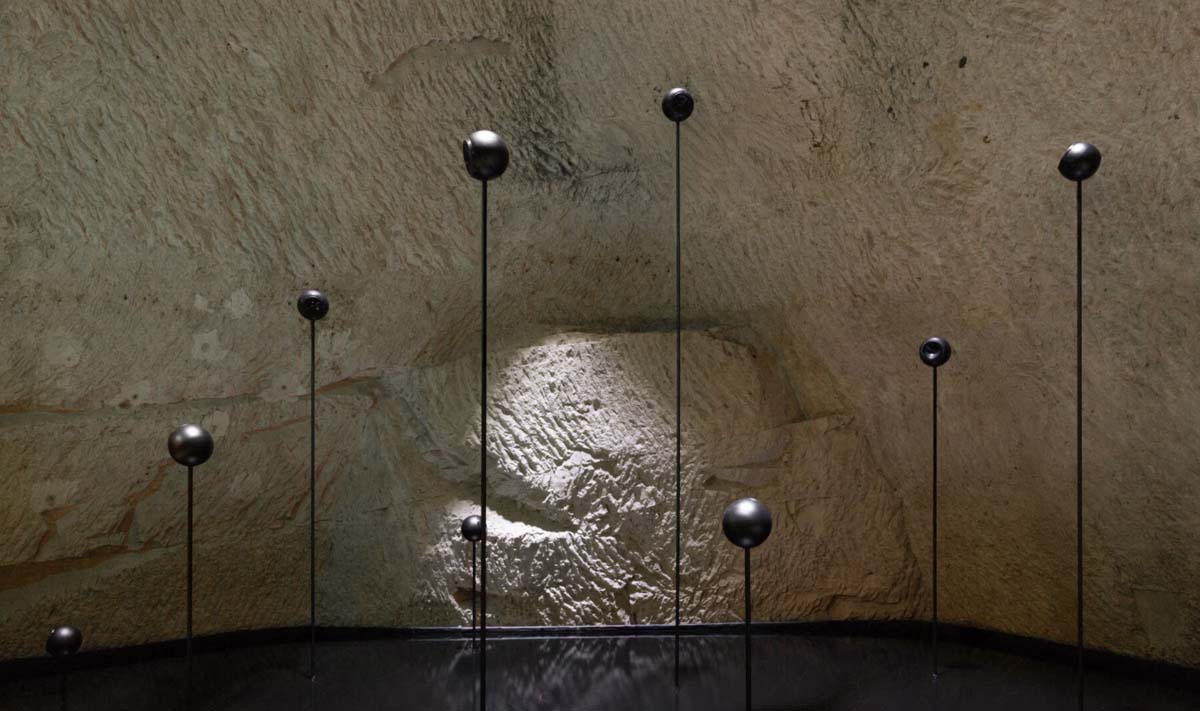
    For Ruinart’s 2025 Conversations with Nature programme, Julian Charrière created Chorals in the Maison’s historic chalk cellars in Reims. Underwater recordings, water and light connected the marine origins of the Crayères with present-day ocean ecosystems. Through deep listening, the installation linked Ruinart’s heritage to geological time, ecological interdependence and the living landscape that continues to shape its identity.

    Saint Laurent Rive Droite x Ando- Mono no aware
    Maison Ruinart x Julian Charrière- Chorales
    Maison Ruinart x Julian Charrière- Chorales
    Maison Ruinart x Julian Charrière- Chorales
    Saint Laurent Rive Droite x Ando- Mono no aware
    Saint Laurent Rive Droite x Ando- Mono no aware
  • 3. Workshops and rituals

    Ceramics, tea, textile, natural dyeing, incense, calligraphy and floral workshops reposition the artist as the facilitator of a gesture. Attention becomes participation, and participation becomes memory. Moreover, an experience can reveal the time and skill behind a material more effectively than explanatory content alone.

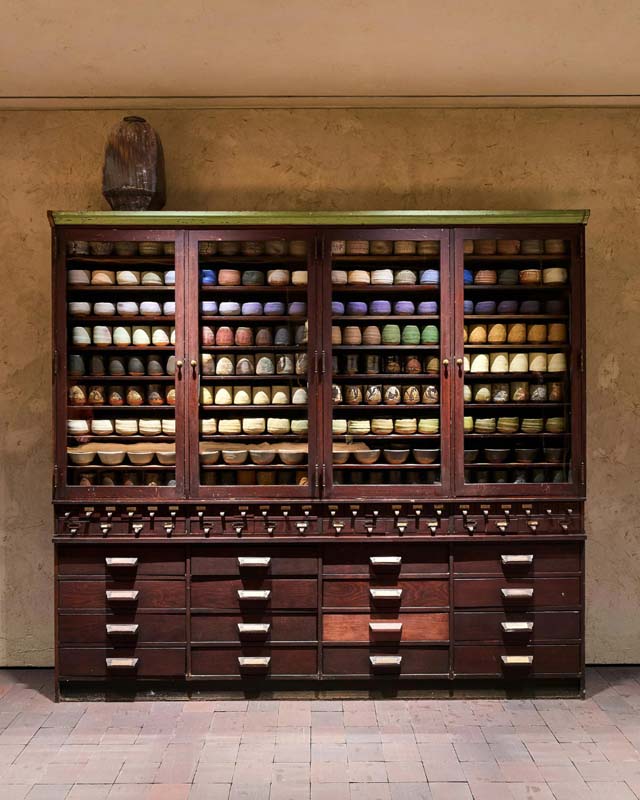
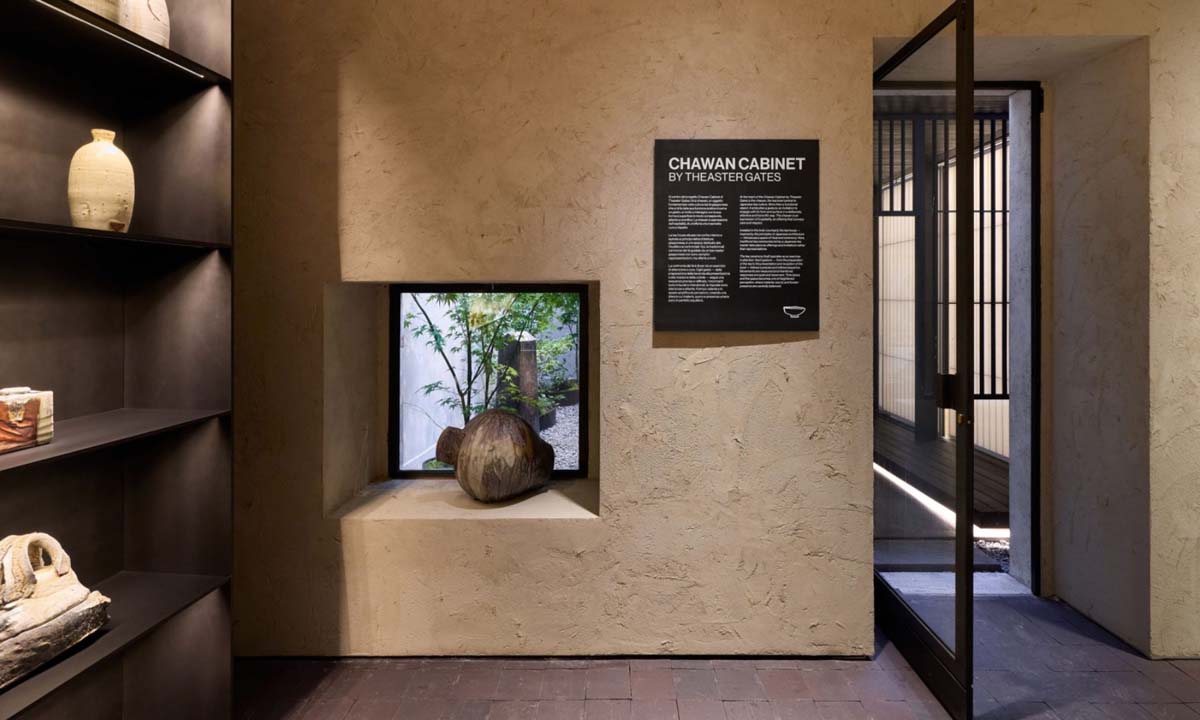
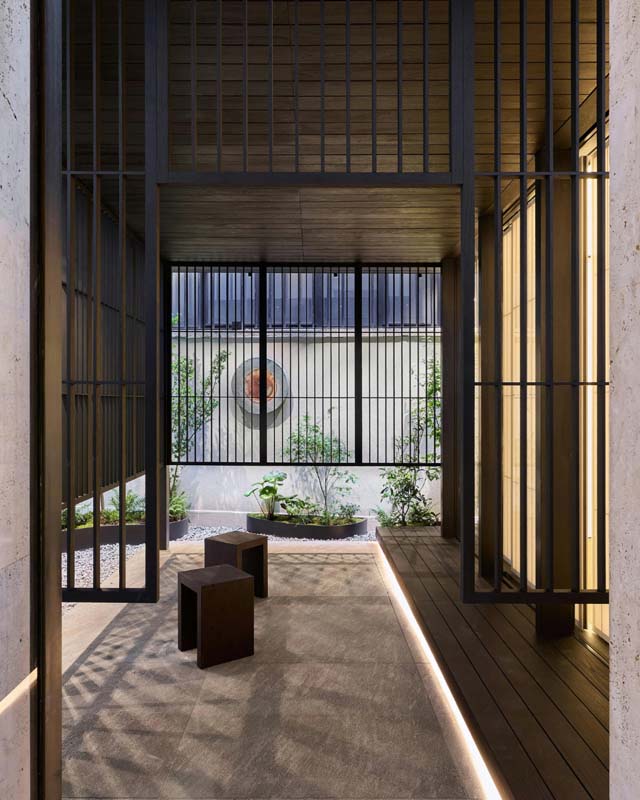
    During Milan Design Week 2026, Prada Home explored the relationship between object and ritual with Chawan Cabinet, conceived and curated by Theaster Gates. Ceramic vessels and ceremonial forms showed how an everyday object can carry artistic, cultural and ritual significance. Through craftsmanship, material and use, preparing and handling the tea vessel became part of the artistic experience. Consequently, attention shifted towards each gesture.

    Prada Home x Theaster Gates- Chawan Cabinet
    Prada Home x Theaster Gates- Chawan Cabinet
    Prada Home x Theaster Gates- Chawan Cabinet
    Prada Home x Theaster Gates- Chawan Cabinet
  • 4. Art in retail environments

    In retail, the opportunity is not simply to install an artwork. Crafted furniture, ceramics, books, planting, sound or a site-specific commission can change circulation and encourage discovery. The artistic intervention becomes part of the customer journey: a reason to look closely, pause or return.

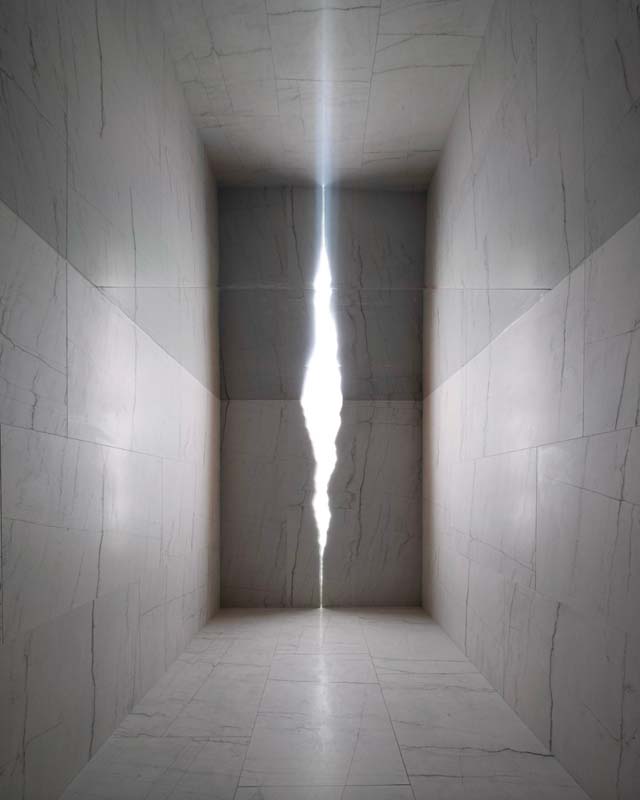
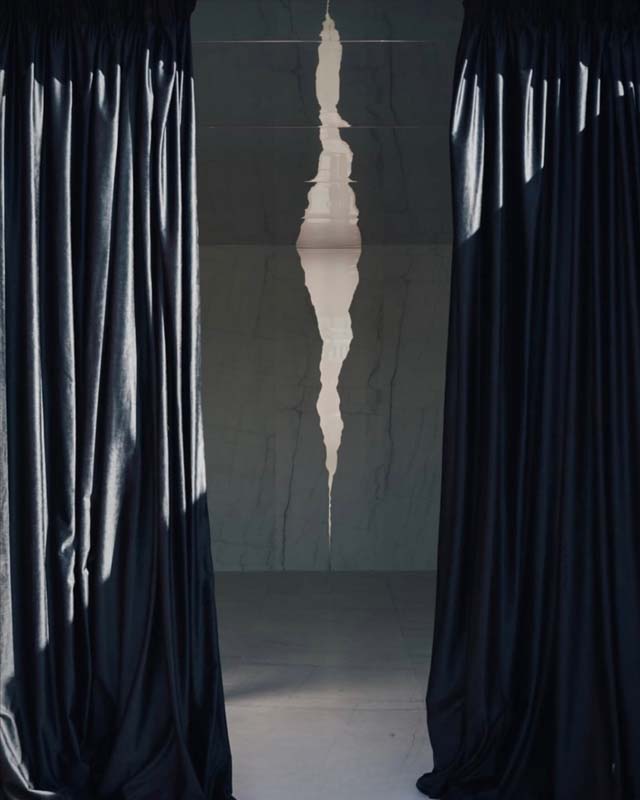
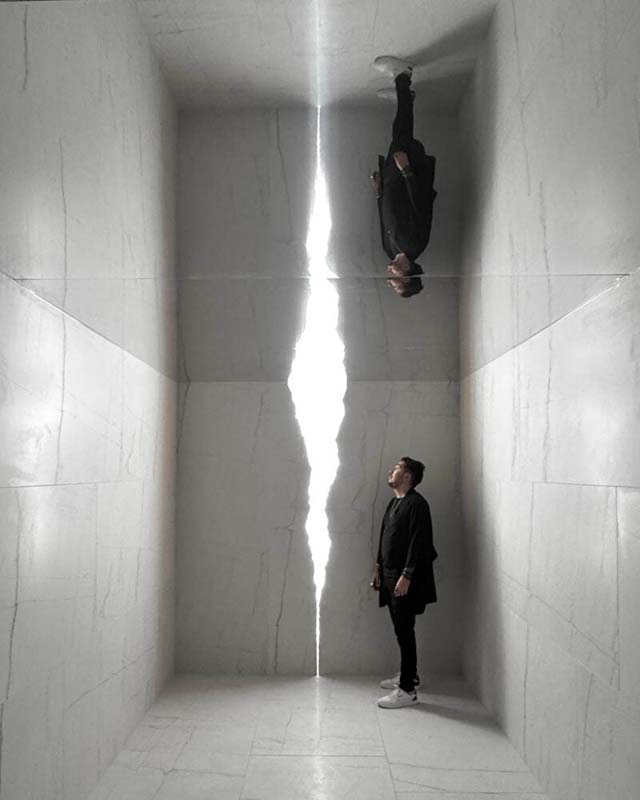
    At ADN Fórum 2025 in Madrid, Neolith collaborated with Colombian artist Mareo on Portal, an installation conceived as a space for stillness and introspection. Visitors entered through layers of curtains that reduced the surrounding noise. They then encountered a mineral surface crossed by a narrow opening of light. Reflections, silence and a soundscape inspired by Tibetan singing bowls created a sense of suspended time.

    Rather than presenting the brand’s material as a decorative surface, Mareo used it to shape attention. The project demonstrates how an artist can reveal the emotional and sensorial qualities of a material through the experience built around it.

    Neolith x Mareo Rodriguez - Portal
    Neolith x Mareo Rodriguez - Portal
    Neolith x Mareo Rodriguez - Portal
  • 5. Art in hospitality and wellness

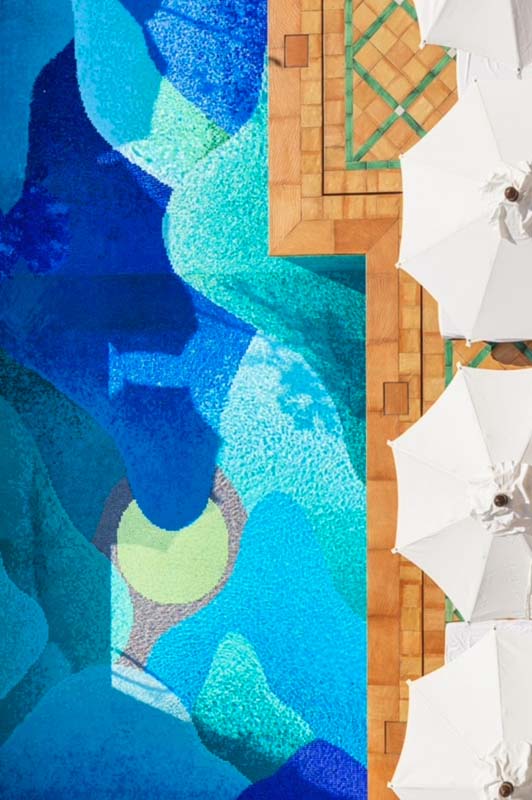
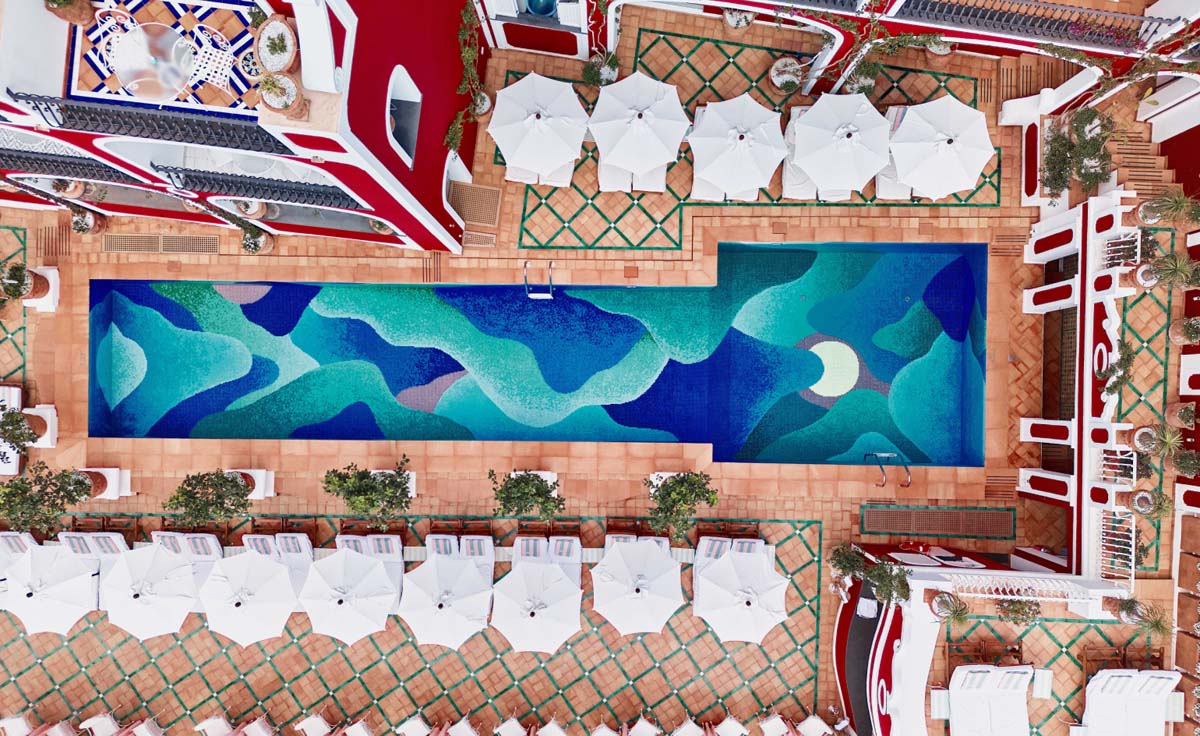
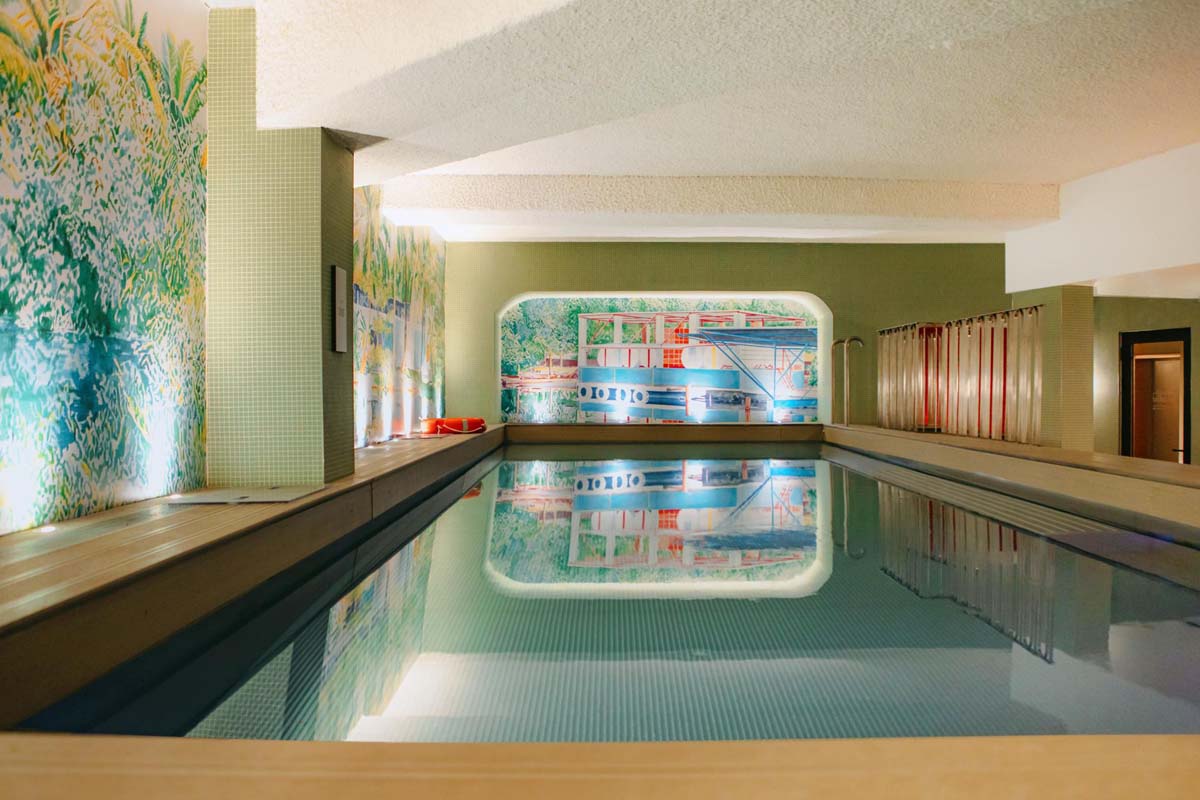
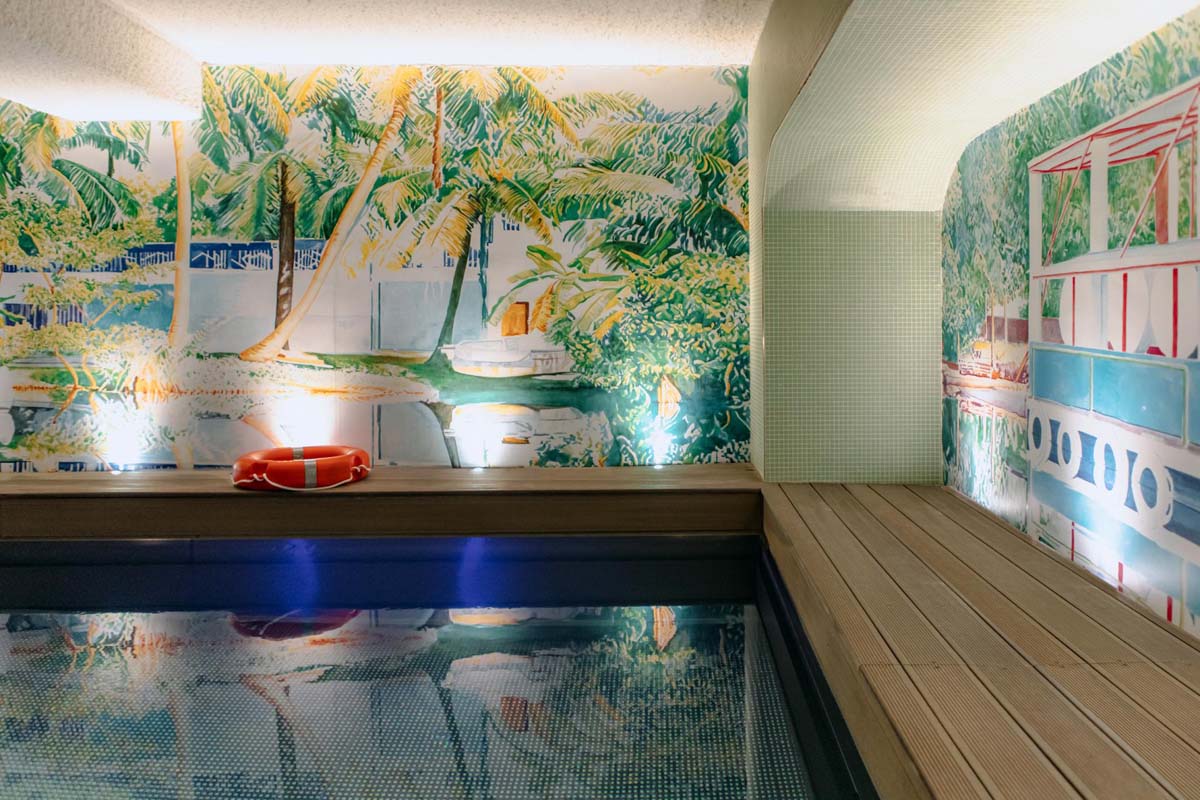
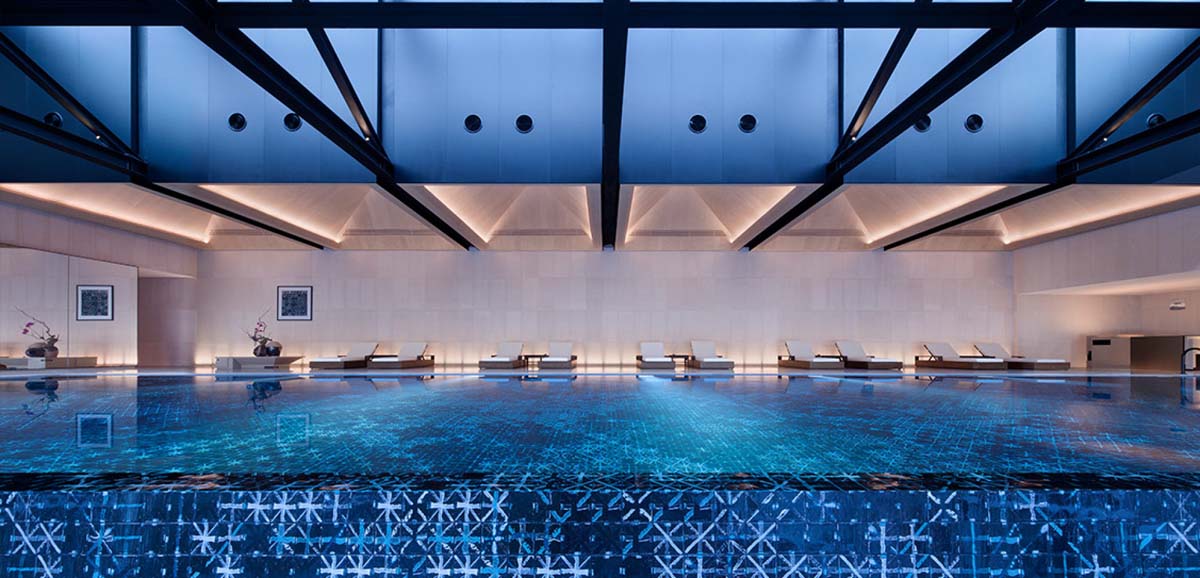
    Hospitality is perhaps the most direct meeting point between mindfulness and art because guests already expect a change of pace. At Næra Hotel & Spa in Xitang, Ding Yi’s cross motif extends into an art swimming pool. At Le Sirenuse in Positano, Nicolas Party created a mosaic for the bottom of the pool as part of the hotel’s artist programme. Meanwhile, at Drawing House in Paris, Marion Charlet’s in-situ work surrounds the pool and integrates artistic immersion into the wellness experience.

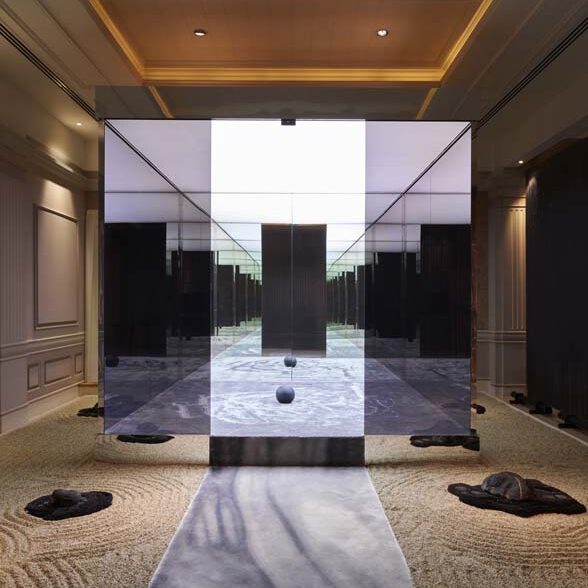
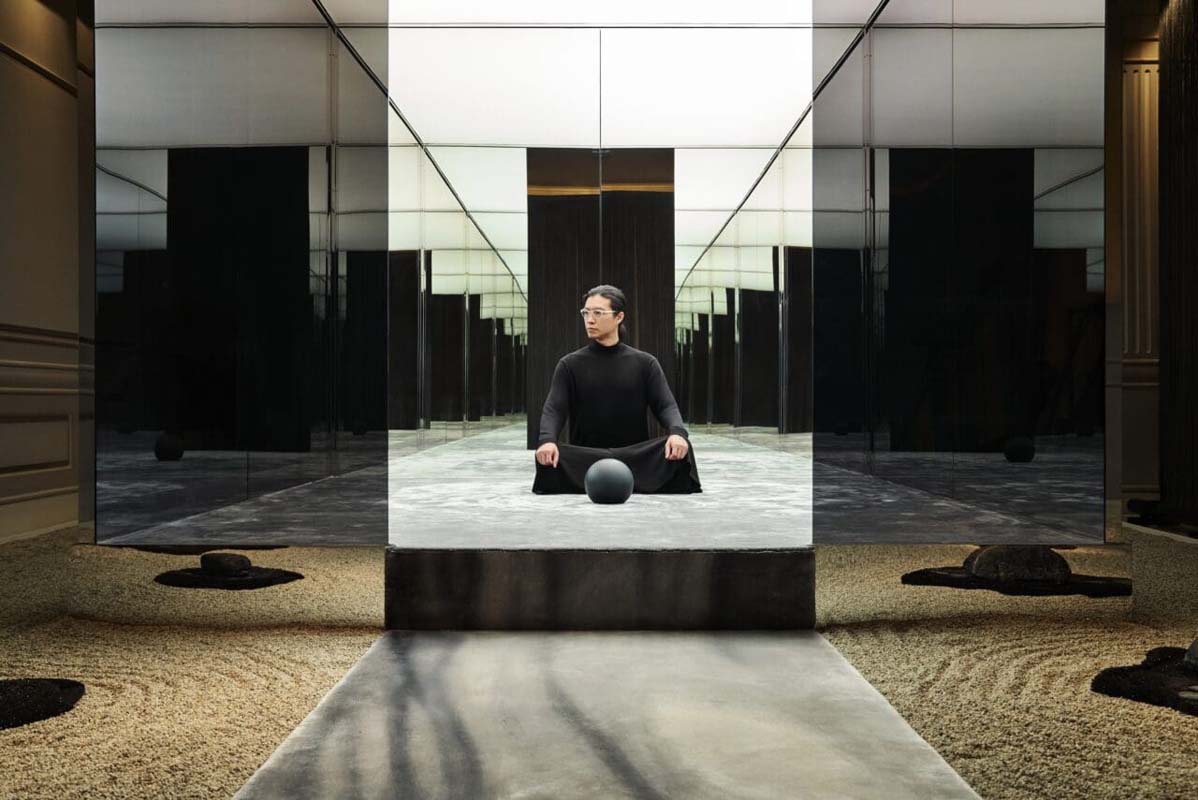
    For The Peninsula Hong Kong’s 2025 Art in Resonance programme, new media artist h0nh1m created The Flow Pavilion in collaboration with Tai Ping. Inside a contemporary tea house surrounded by a Zen-inspired garden, a kinetic sphere traced patterns across a hand-tufted silk carpet. Its movements were generated from the artist’s brainwave activity recorded during meditation.

    By translating an invisible mental state into movement and material, the installation encouraged visitors to slow their attention and sustain their focus. It also showed how hospitality can integrate mindfulness into the guest experience through an original artistic commission.

    In all these cases, art is not another object encountered during a stay. Instead, it becomes part of swimming, resting and escaping. The work is embedded in what the guest actually does.

    Le Sirenuse x Nicolas Party
    Le Sirenuse x Nicolas Party
    Drawing House x Marion Charlet
    Drawing House x Marion Charlet
    The peninsula x Chris Cheung x Tai Ping - The Flow Pavilion
    The peninsula x Chris Cheung x Tai Ping - The Flow Pavilion
    Naera Hôtel & Spa x Ding Yi
  • From product-centred to consumer-centred collaboration

    Mindfulness opens artistic collaboration beyond the product itself. An artist can shape what consumers do, feel and notice. They may enter an installation, handle a crafted material, participate in a ritual, discover a quieter retail environment or swim through an artwork.

    This is a consumer-centred opportunity because it begins with the quality of the encounter, rather than with the need to decorate a launch. Limited editions remain relevant. However, they sit within a broader field that includes exhibitions, hospitality, workshops, retail and multisensory environments.

  • What this means for marketing leaders

    For marketing leaders, art collaborations for mindful brand experiences expand the role of the artist. Beyond creating visibility or differentiating a product, art can increase dwell time, support premium positioning, enrich hospitality and retail environments, and create moments in which audiences actively participate.

    More importantly, the strongest projects do not simply make brands look calmer: they behave differently. They take longer to make, reveal more over time and treat the audience’s attention with care. As a result, art gives brands a precise way to turn time, tactility and sensory perception into forms of value that consumers can genuinely experience.

    To explore this potential further, discover Somexing Artistic’s approach to art and brand collaborations and see how artistic practice can shape meaningful experiences across physical and cultural touchpoints.

Read more articles
Quand l’artisanat d’art revient sur le devant de la scène

When Craftsmanship Returns to Center Stage

Through collaborations with major luxury houses, a whole facet of contemporary luxury is being rewritten at the crossroads of craftsmanship.
Lihong Box Guerlain

China’s Creative Surge Around the Neo-Traditional Trend: Between Creation, Craft, and Transmission

Exclusive collaborations between artists and brand fully integrate craftsmanship into brand narratives.
Art × Diwali: How Creative Collaborations Illuminate Brand Strategy

Art × Diwali: How Creative Collaborations Illuminate Brand Strategy

Every autumn, the glow of Diwali illuminates not only homes across India but also the imagination of brands worldwide.

Subscribe to our Newsletter

By subscribing to our Newsletter, you will receive the latest News of Somexing Artistic’s collaborations and exhibitions, together with our experts’ insights and Art x Marketing Trends

QR Code Wechat - Somexing Artistic