Art x Fashion : How does art influence fashion and brands
Art and fashion have always shared an instinctive attraction — two disciplines driven by the same desire to interpret the world through form, texture, and emotion. Yet their relationship has not always been as fluid or as institutionalized as it is today. What began as a series of daring encounters between artists and couturiers has evolved into one of the most powerful languages of contemporary branding.
Table of Contents
-
From Schiaparelli to Streetwear Icons
From Schiaparelli’s surrealist couture to Uniqlo’s artist T-shirts, the dialogue between art and fashion has travelled through almost a century of creative exchange. Today, it transcends market segments — bridging mass retail, prêt-à-porter, and luxury — and extends far beyond aesthetics. It has become a strategy: a way for brands to express cultural intelligence, social relevance, and emotional depth.
The Art × Fashion phenomenon now operates at the crossroads of culture and commerce. Each collaboration reflects a specific historical moment — from avant-garde experimentation to pop consumerism, from couture ateliers to digital drops. Understanding this evolution is essential for any brand seeking to create meaningful cultural impact rather than fleeting hype.
-
I. The Surrealist Spark
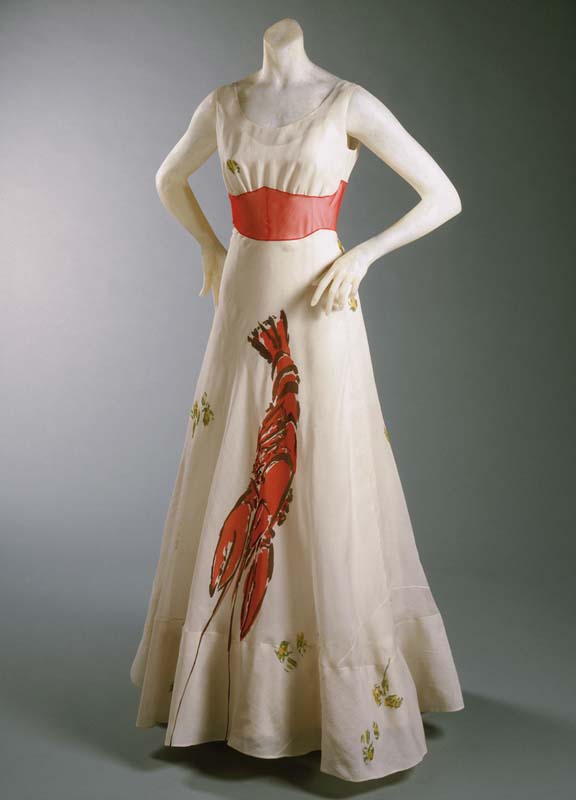
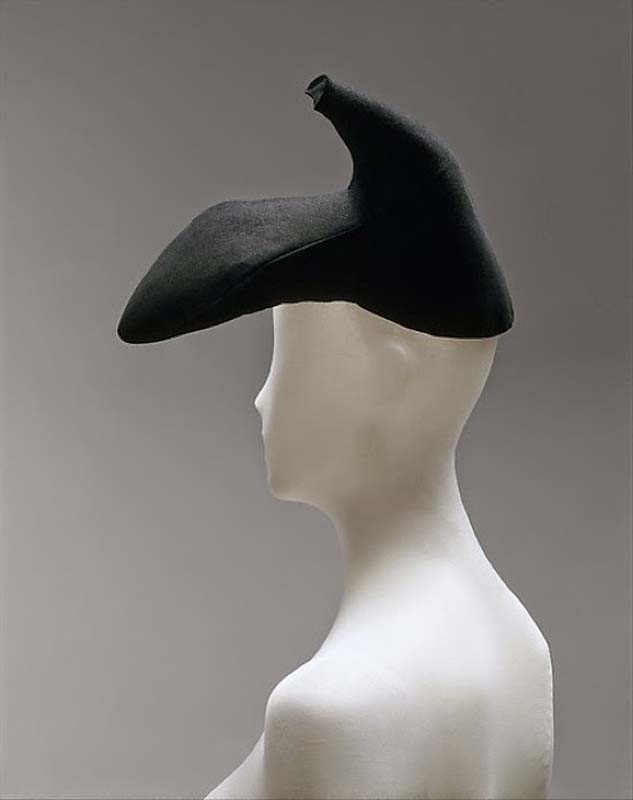
The story of Art × Fashion begins in 1930s Paris, when Elsa Schiaparelli invited Salvador Dalí and Jean Cocteau to transform surrealist fantasy into couture. Their collaborations — the Lobster Dress, the Shoe Hat, and the Skeleton Gown — turned imagination into object, shock into elegance. These pieces were not marketing stunts but radical statements: fashion could become a medium of artistic expression as potent as painting or sculpture.
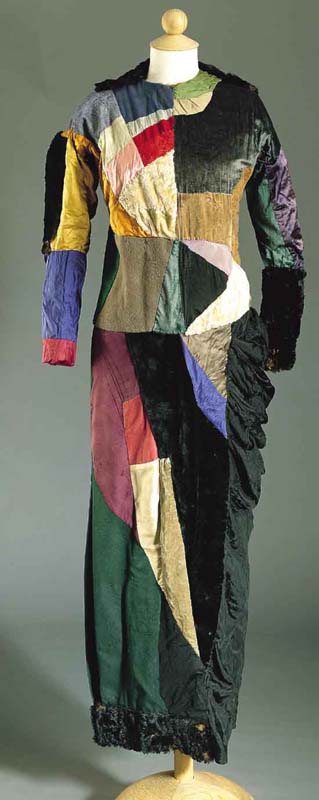
Schiaparelli understood something visionary: that art could lend fashion not just visual richness but intellectual gravitas. Her garments were conversation pieces that blurred the boundary between body and canvas. Around the same period, Sonia Delaunay translated her Orphist paintings into rhythmic textile patterns, pioneering an idea that would echo through every decade that followed — that fabric could carry the pulse of modern art.
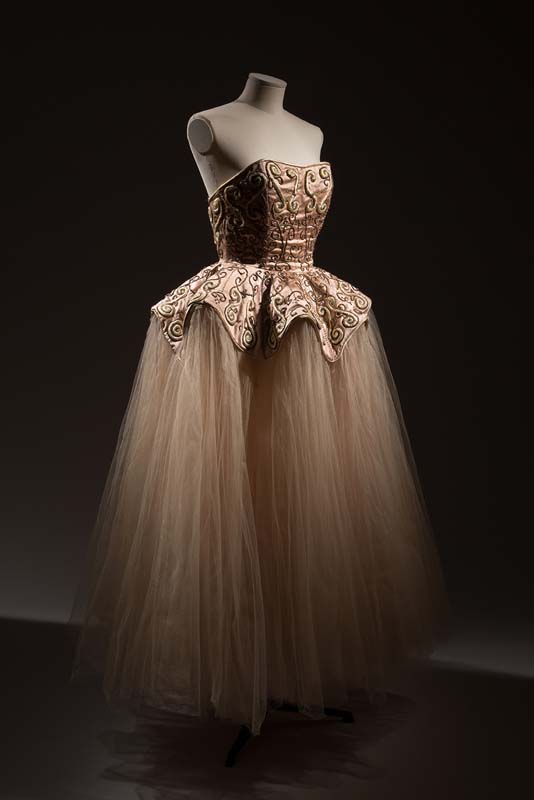
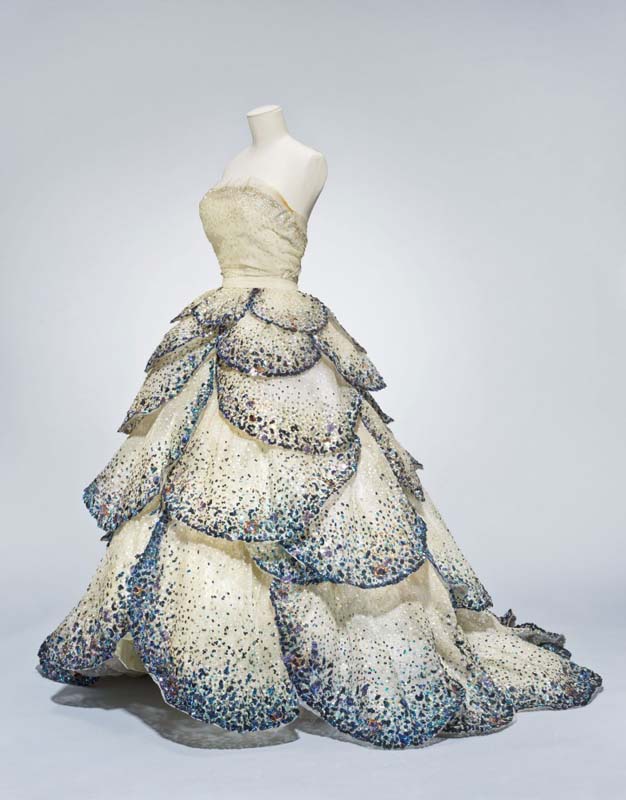
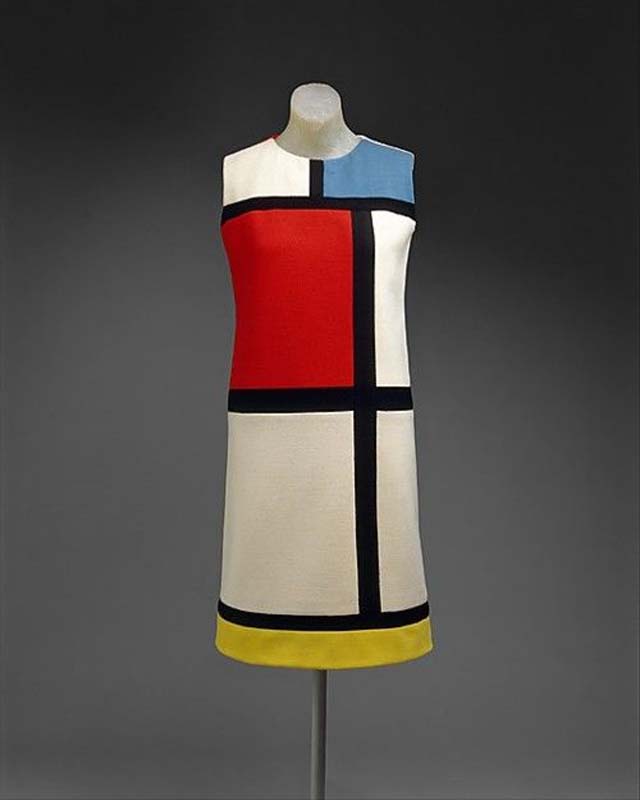
After World War II, this dialogue deepened. Cristóbal Balenciaga and Christian Dior studied sculpture and architecture as much as drapery, bringing spatial concepts into silhouette. By the 1960s, Yves Saint Laurent’s Mondrian Dress crystallised the idea that art could be worn — a dress that turned abstraction into iconography.
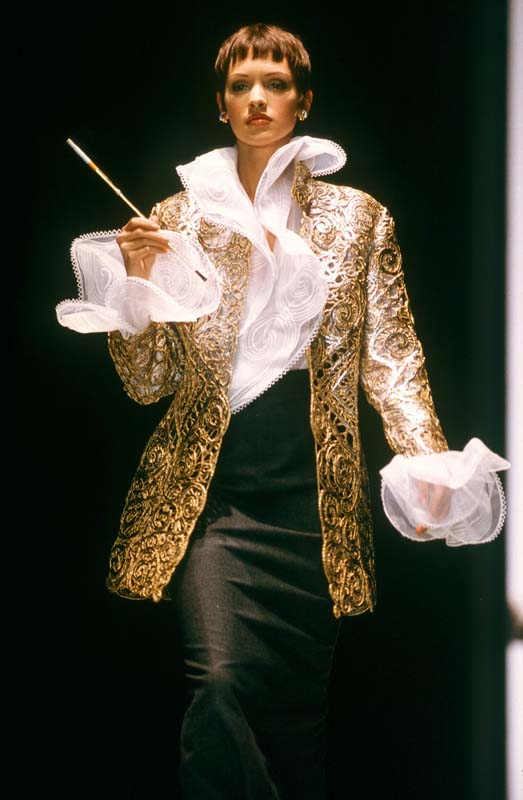
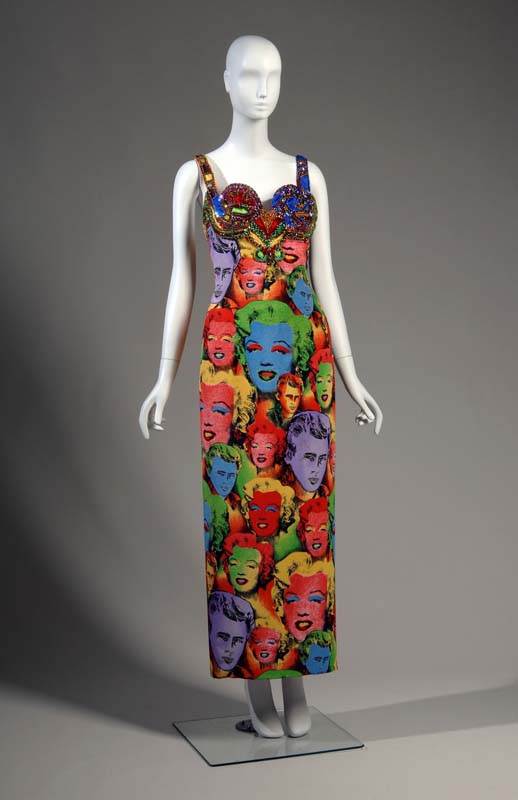
The 1970s pushed this even further. Gianfranco Ferré borrowed from Baroque painting, Halston from Minimal Art, and Versace later embraced Warhol’s pop prints, embedding the idea of collaboration into the DNA of global fashion. These encounters built the foundations for today’s creative economy, where the fusion of art and fashion is not exceptional — it is expected.
-
II. Democratization: When Art Met the High Street
By the early 2000s, a new era dawned. The cultural revolution of streetwear and global retail democratized the once-exclusive relationship between artists and brands. Collaboration moved from ateliers to mass production lines, from galleries to the shopping mall — without losing its symbolic charge.
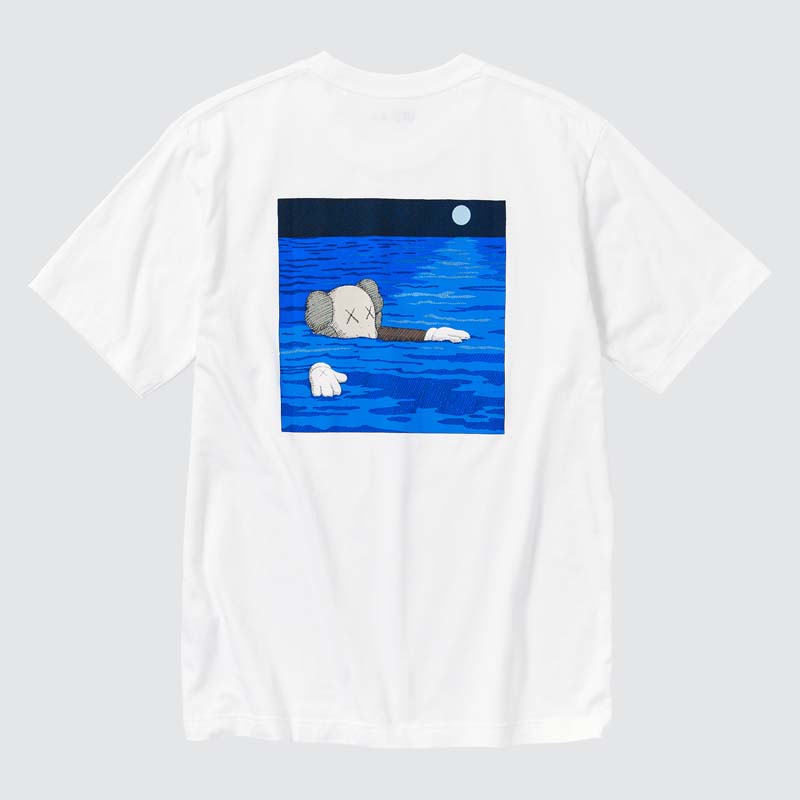
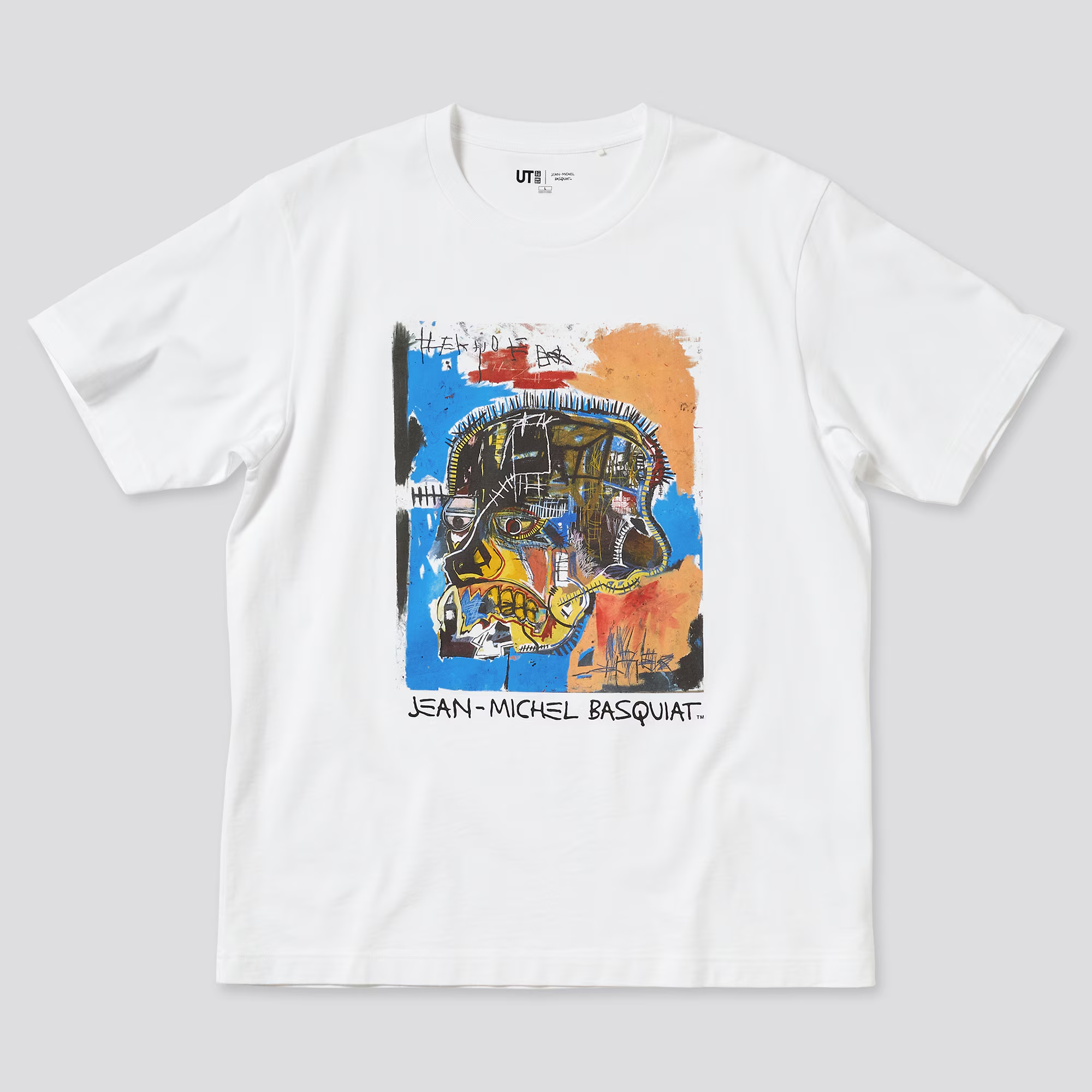
Japanese retailer Uniqlo played a central role in this shift. Through its UT Artist Series, launched in 2003, it transformed T-shirts into cultural artefacts, featuring artists such as Andy Warhol, Basquiat, Keith Haring, and later Kaws. What had once been museum-bound art became part of daily life, printed in millions yet still carrying the aura of individuality. For the first time, art became truly accessible — and brands discovered a new form of loyalty based on cultural belonging rather than price or logo.
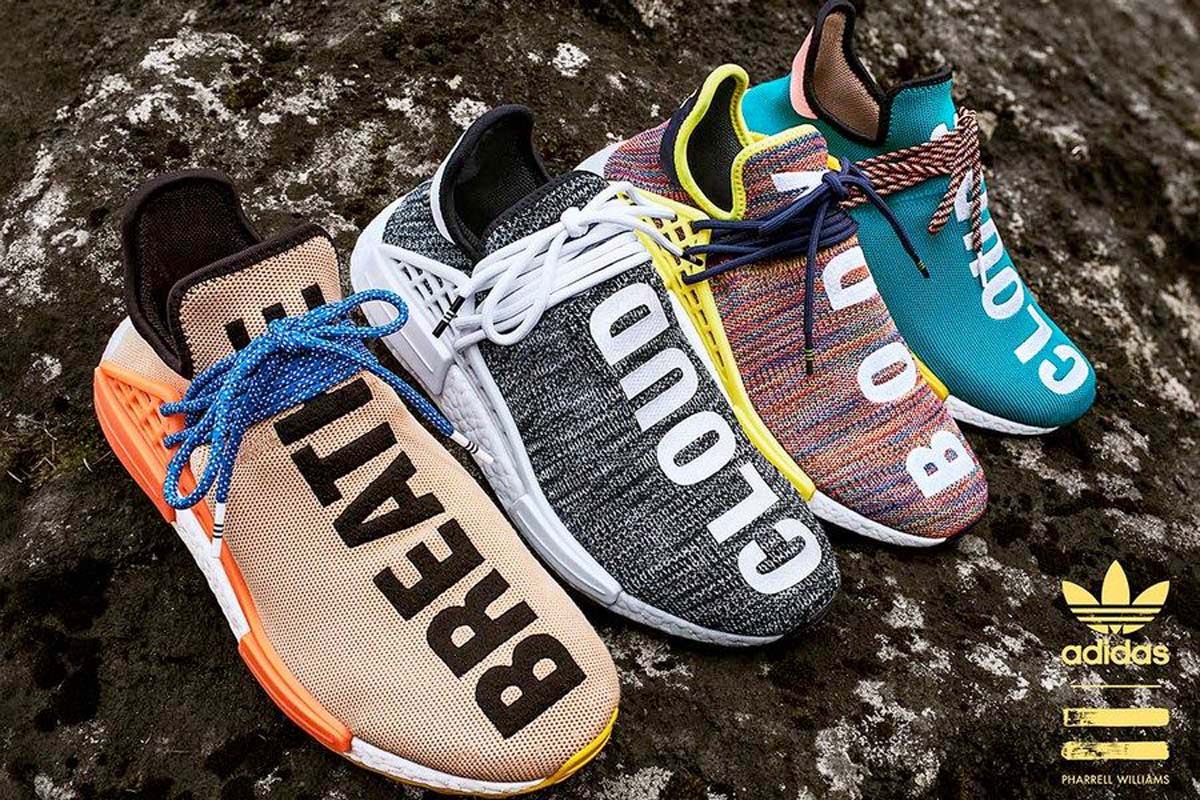
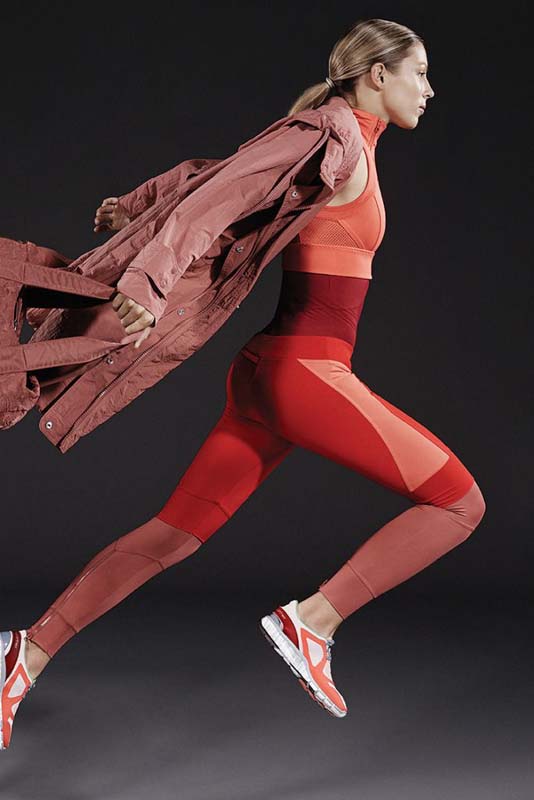
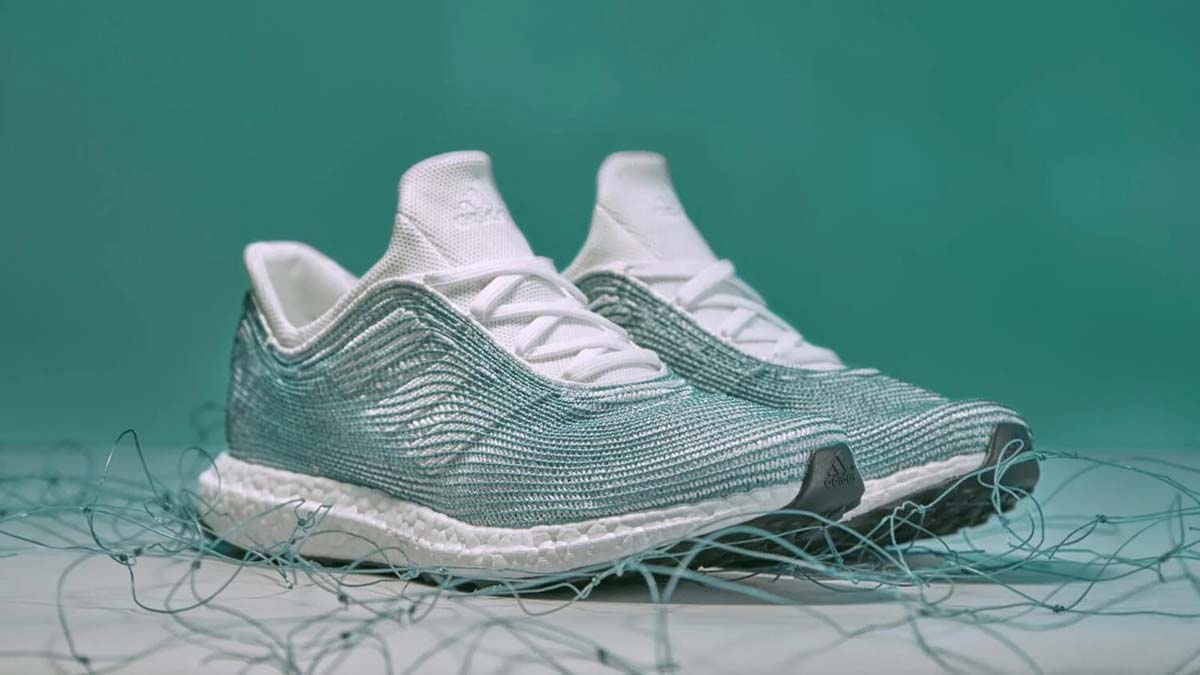
At the same time, Adidas was reshaping sneaker culture. Collaborations with Pharrell Williams, Stella McCartney, and the Parley for the Oceans initiative showed how art, music, design, and sustainability could merge into one story. Each partnership offered more than a product — it was a statement of identity and values. Sneakers turned into canvases of self-expression, linking communities across continents.
-
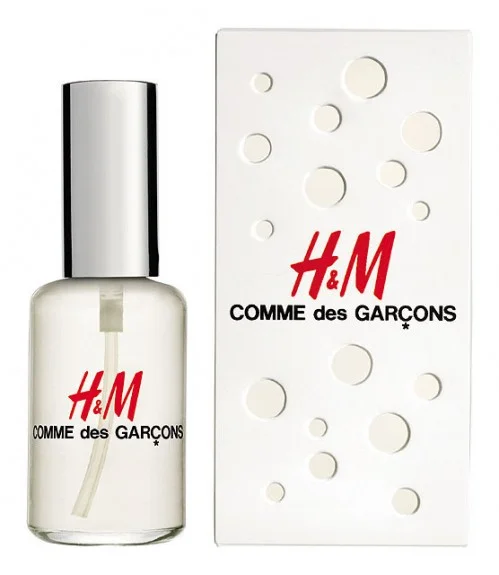
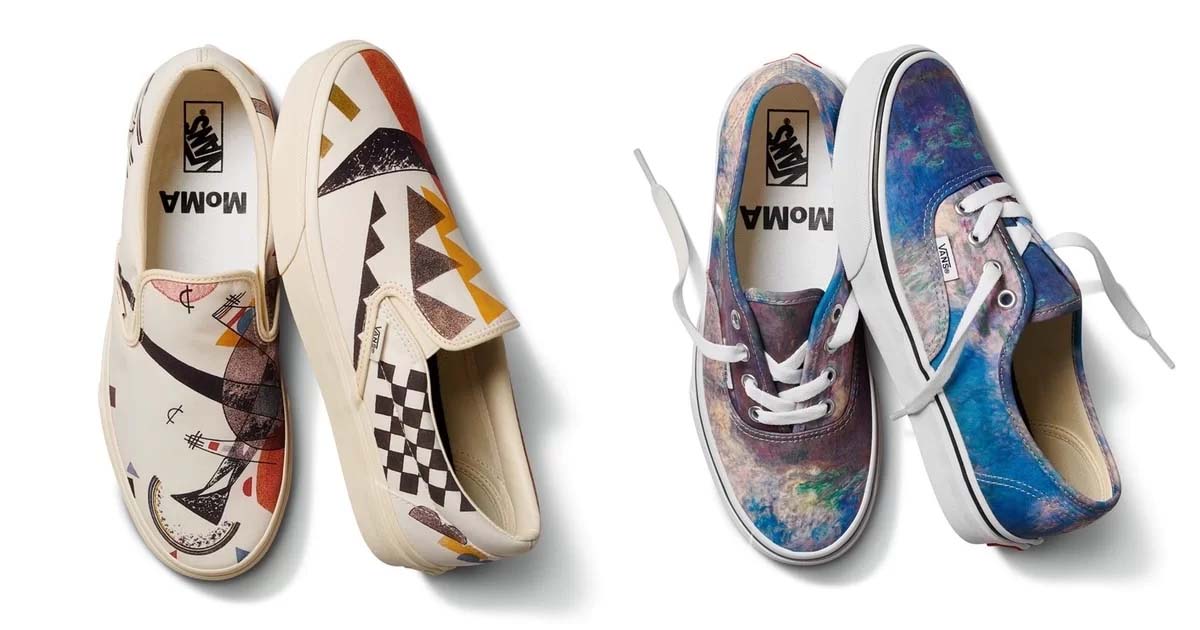
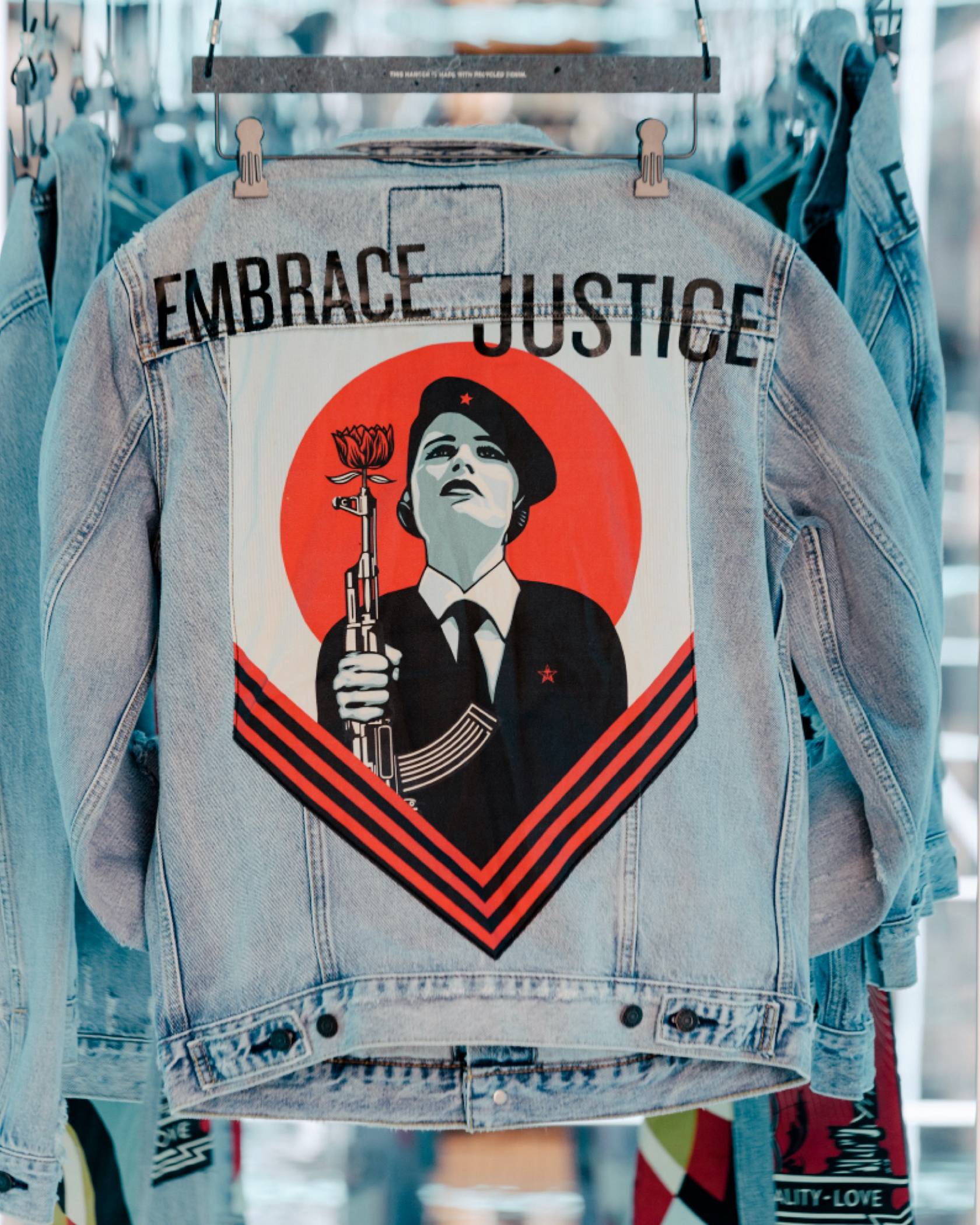
The 2010s saw an explosion of similar projects: H&M × Comme des Garçons, COS × Serpentine Galleries, Vans × MoMA, Levi’s × Shepard Fairey. What united them was not exclusivity but inclusivity: a belief that art should circulate freely, embedded in the rhythm of everyday life.
This democratization also changed perception: the “collaboration” became a format of cultural communication in itself. Brands learned that partnerships with artists could generate buzz, relevance, and emotional connection faster than any traditional campaign. For marketing teams, art was no longer decoration — it was a shortcut to meaning.
-
III. Prêt-à-Porter and Contemporary Culture
Between mass retail and haute couture lies the dynamic terrain of prêt-à-porter — where artistic collaboration becomes a refined statement of identity. Here, art is not spectacle but texture: a way to express subtlety, creativity, and belonging.
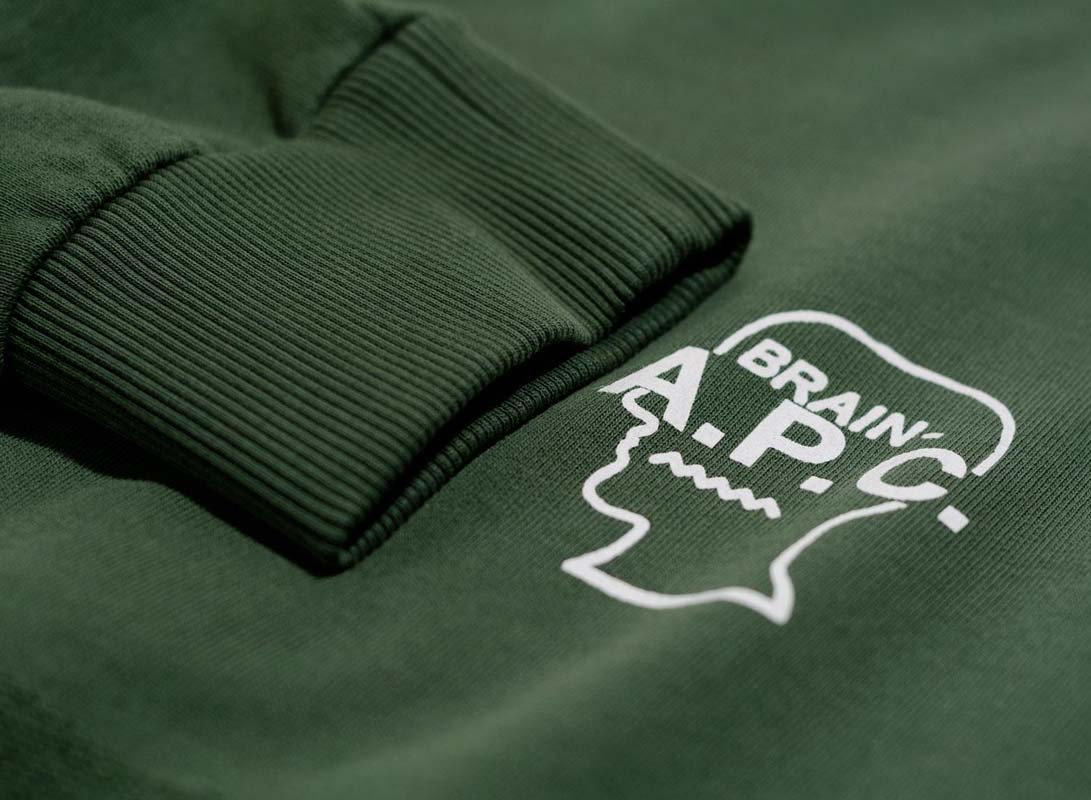
French labels like Sandro, Maje, and A.P.C. were among the first to institutionalize art collaborations as a seasonal rhythm. In 2023, Sandro × Louis Barthélemy reinterpreted African craft motifs into fluid illustrations, merging cosmopolitan cool with artisan storytelling. A.P.C. × Brain Dead blended minimal Parisian design with Californian underground graphics, proving that an artistic clash can result in coherent brand poetry.
This middle ground is crucial because it mirrors the mindset of a generation that values both authenticity and aesthetics. Collaborations here are neither elitist nor mainstream; they operate as cultural bridges. A brand becomes a curator, introducing its audience to artists, illustrators, photographers, and archives that enrich its universe.
The result is often intangible yet powerful. A silk shirt patterned by a contemporary artist, a bag lined with a graphic poem, or a store window conceived as an ephemeral installation — each detail contributes to brand aura. For marketing leaders, these choices deepen emotional equity and reinforce the brand’s positioning as culturally literate.
By embracing collaboration as language, prêt-à-porter brands have found a way to stand out in an industry saturated by image. Instead of shouting louder, they speak smarter — weaving art into fabric, heritage into experience, and meaning into design.
-
IV. The Luxury Stage: When Art Becomes Strategy
If the high street made art accessible, luxury made it aspirational again — not as ornament but as strategy. By the early 2000s, major maisons had learned that working with artists was not simply about creativity: it was about creating cultural capital.
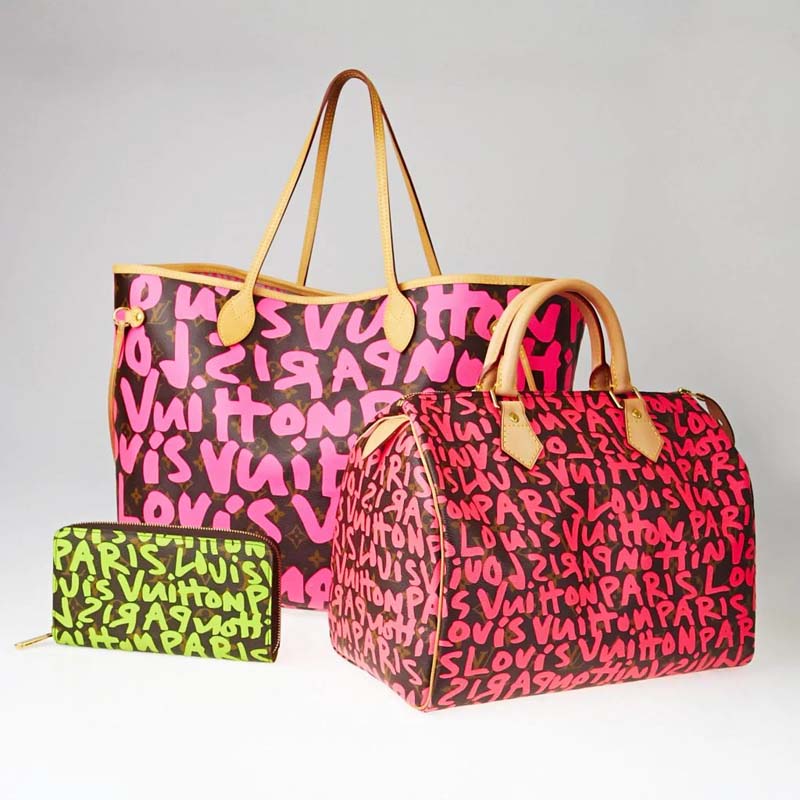
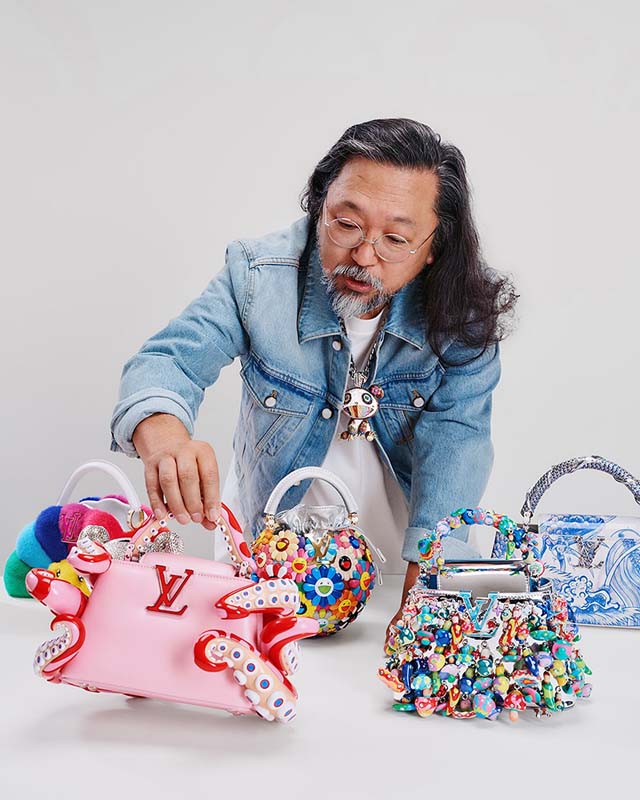
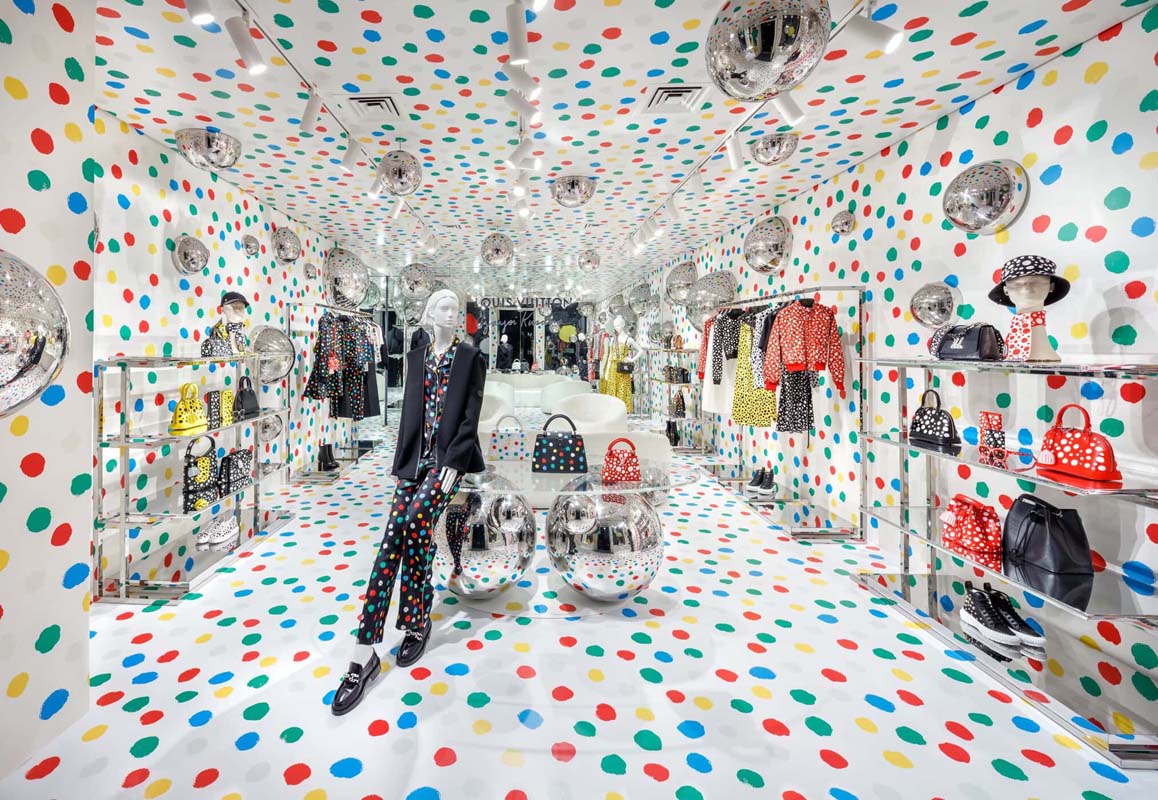
No brand understood this better than Louis Vuitton. Under Marc Jacobs, the house revolutionized luxury branding through collaborations with artists such as Stephen Sprouse, Takashi Murakami, and later Yayoi Kusama. The now-legendary Murakami Monogram Multicolore (2003) injected playfulness into a heritage code; it blurred the line between pop art and craftsmanship, between handbag and artwork. When Kusama returned in 2023 for a multi-sensorial global campaign, her hypnotic dots didn’t just decorate the product — they colonized it, spreading across window displays, AR filters, and museum shows.
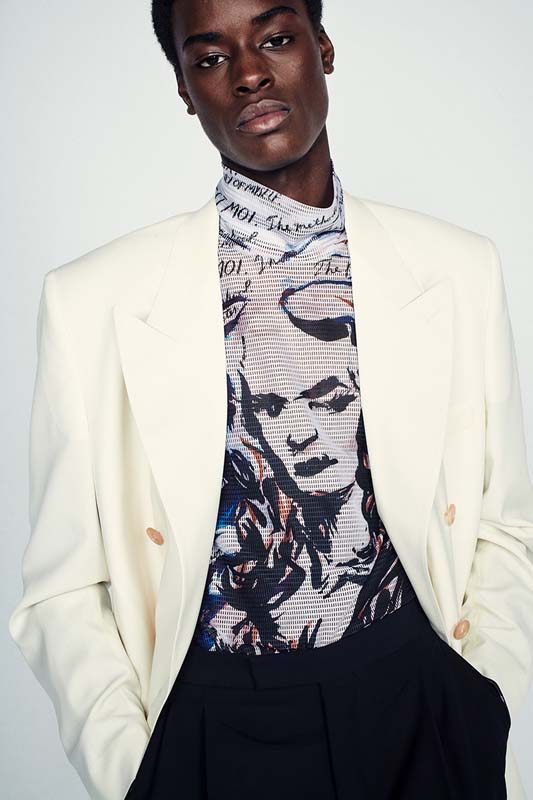
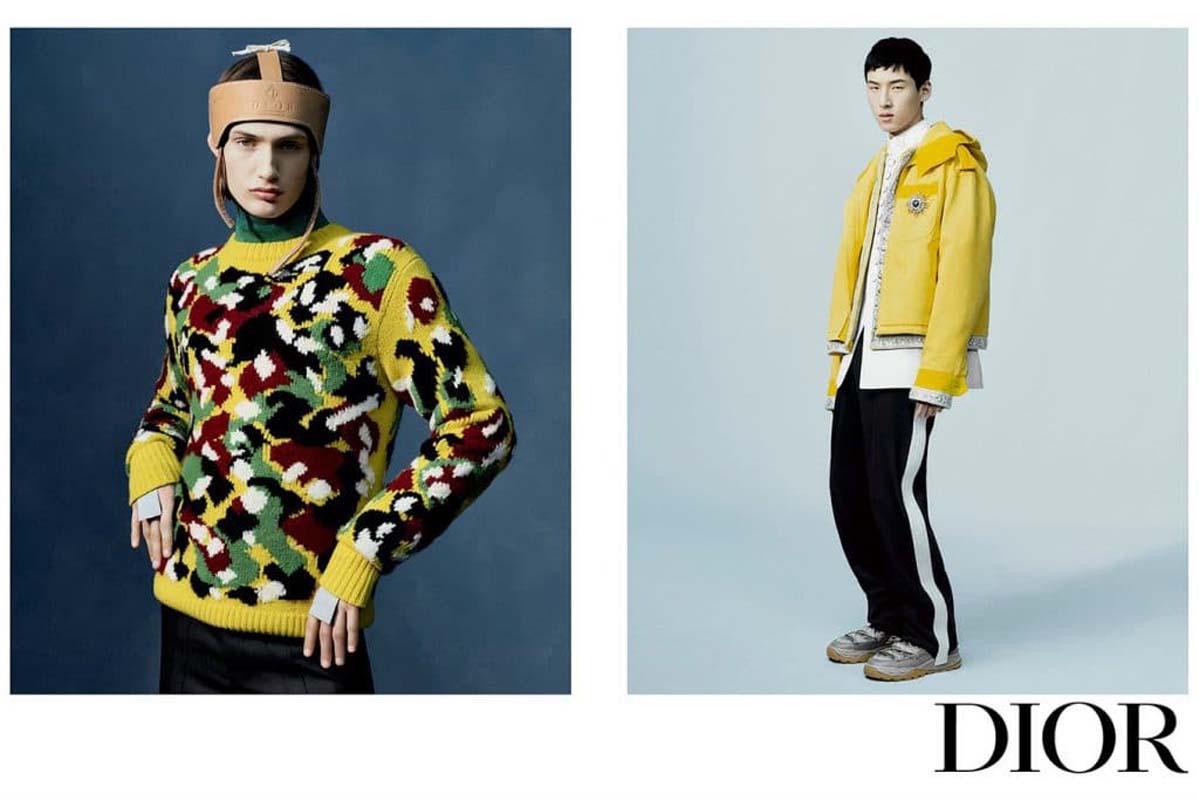
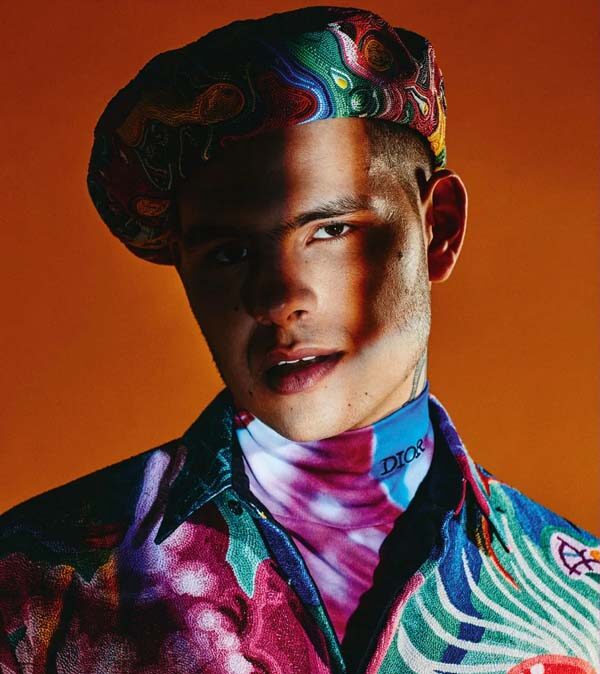
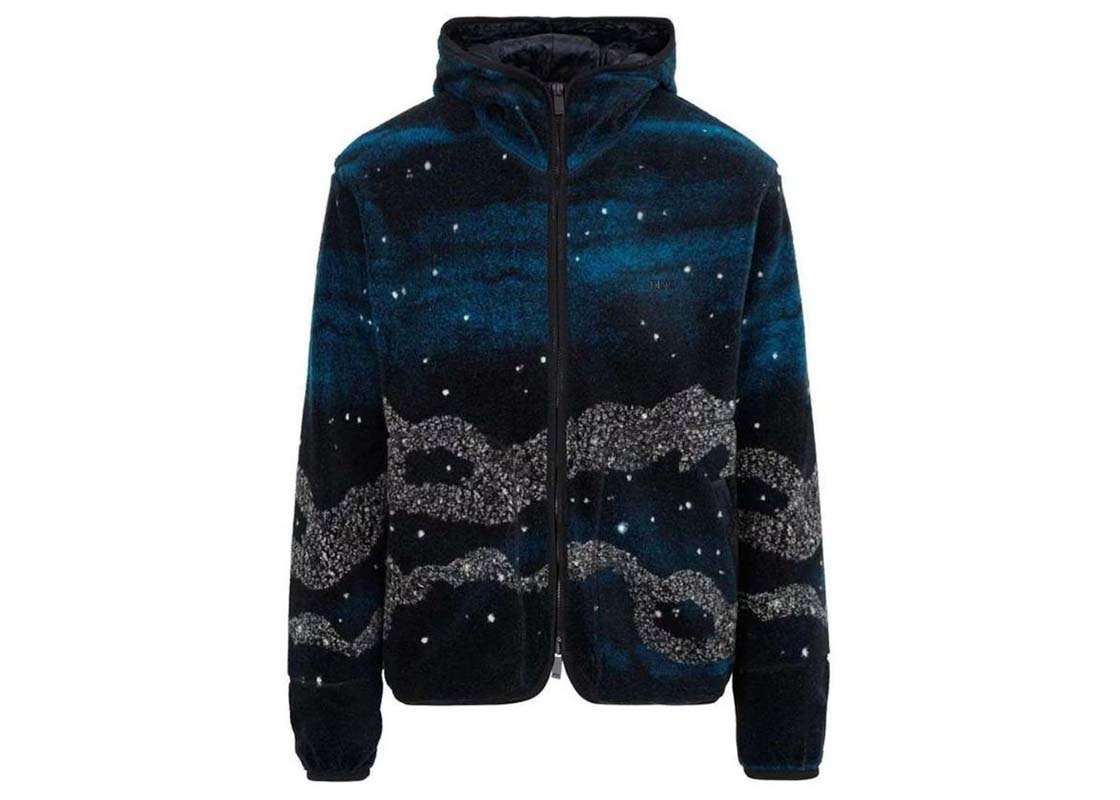
At Dior, under Kim Jones and Maria Grazia Chiuri, the dialogue between fashion and fine art took on a more reflective tone. Raymond Pettibon’s expressionist graphics, Peter Doig’s painterly dreamscapes, and Kenny Scharf’s psychedelic pop all translated into fabric, creating visual manifestos rather than seasonal prints. Each collaboration reaffirmed Dior’s position not only as a couture house but as a patron of culture.
-
For luxury brands, art delivers something money alone cannot buy: symbolic authority. It allows them to speak with the legitimacy of museums, the allure of galleries, and the emotion of poetry. Within the luxury ecosystem, collaborations have become a new form of brand architecture — a way to connect heritage with innovation, craftsmanship with relevance, exclusivity with emotion.
Beyond aesthetics, these partnerships affect everything from press coverage to customer perception and pricing strategy. An artist’s name adds narrative value; limited editions justify scarcity; exhibitions create experiential touchpoints.
In short, for maisons like Vuitton, Dior, or Prada, art is not an accessory — it is an engine of brand aura. And in a global economy where desirability equals differentiation, that aura translates directly into business performance.
-
V. Capsule Culture: From Limited Editions to Drops
As collaboration became mainstream, the drop model emerged as its most dynamic format. Borrowed from streetwear, drops introduced a sense of urgency — now or never — into the slow elegance of fashion. At the heart of this evolution lies a new cultural logic: the luxury of the 21st century is no longer defined by permanence, but by ephemerality with impact.
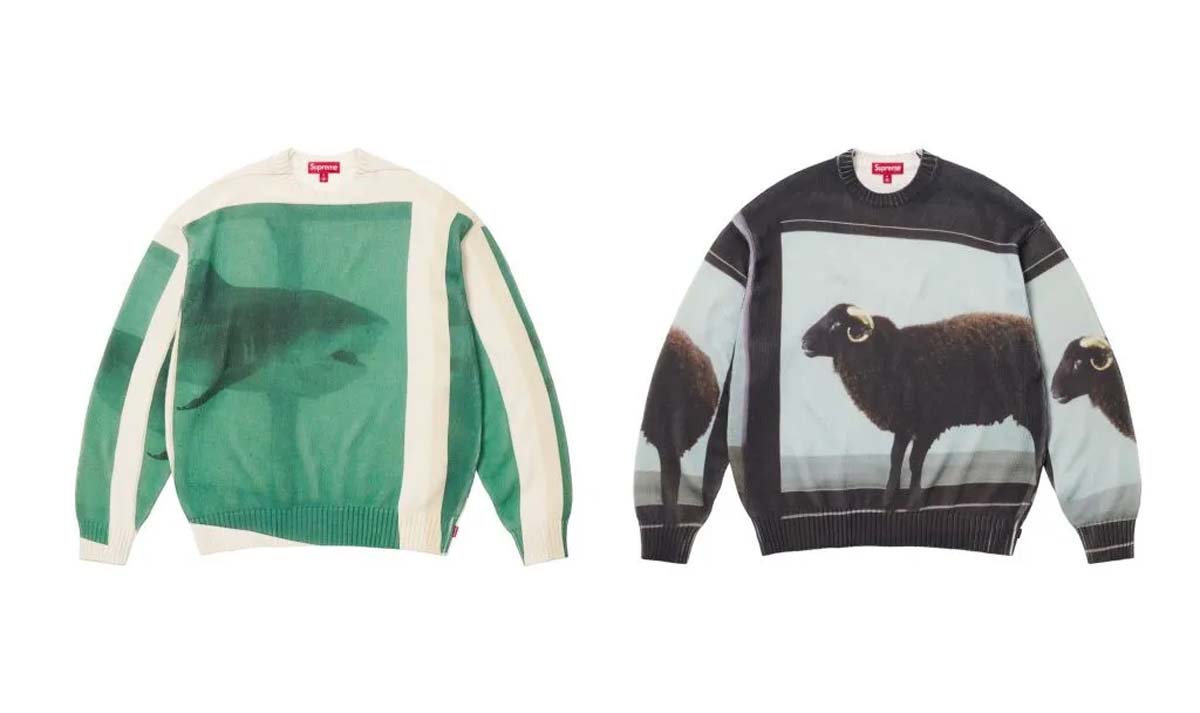
Art provided the perfect language for this transformation. When Supreme teamed up with Damien Hirst in 2012, the result — skate decks covered with polka dots — sold out instantly, while also ending up in museums and auctions. A streetwear item became a collectible, validating the idea that an edition of 500 can hold more emotional and cultural value than mass production ever could.
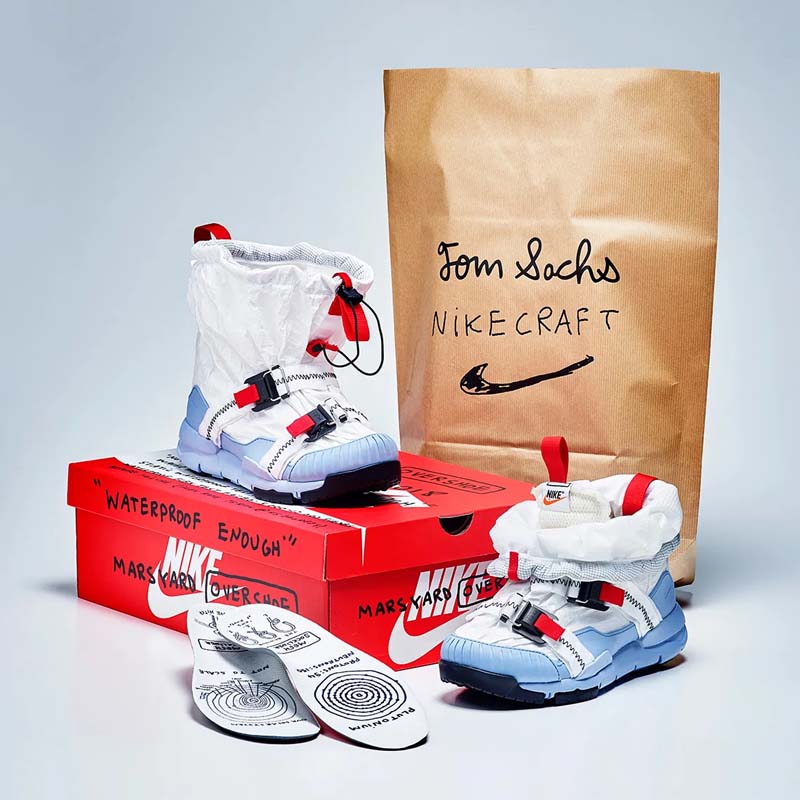
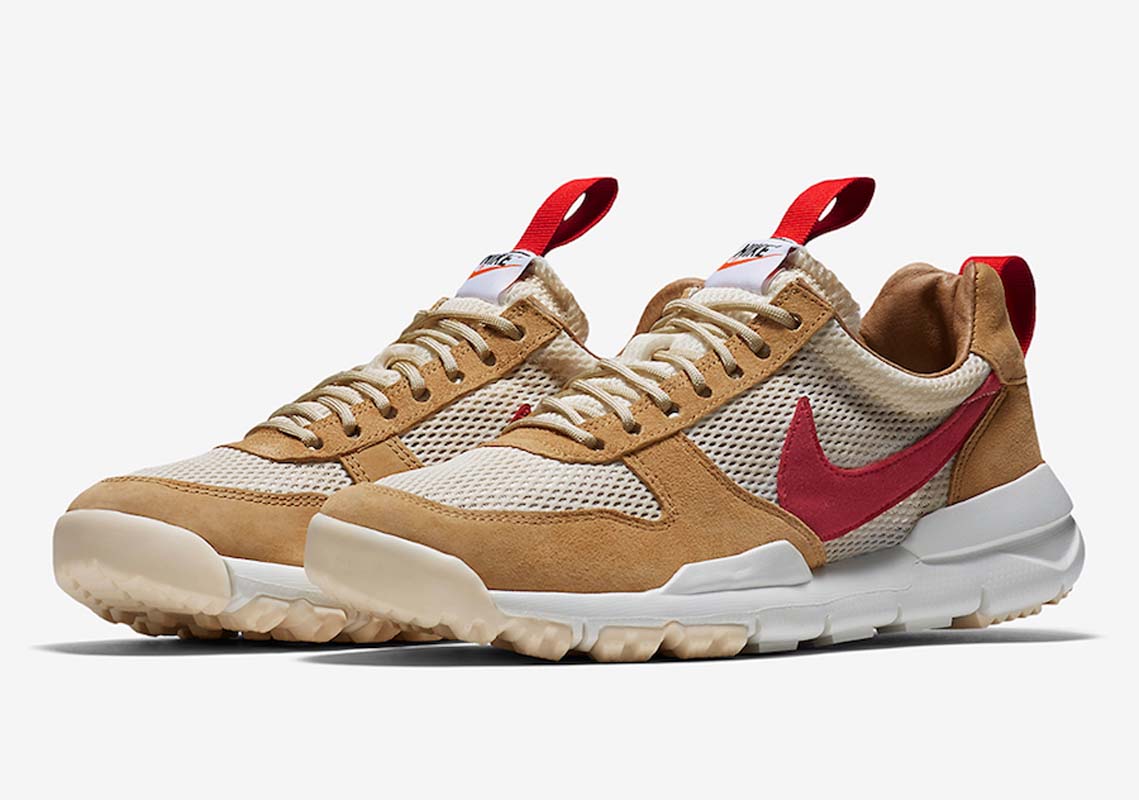
Around the same time, Nike × Tom Sachs launched the Mars Yard sneaker, a conceptual collaboration between performance and philosophy. Designed as “an object to live with, not display,” it blurred the boundary between design engineering and contemporary art. The drop model itself became part of the artwork — an experience as much as a product.
-
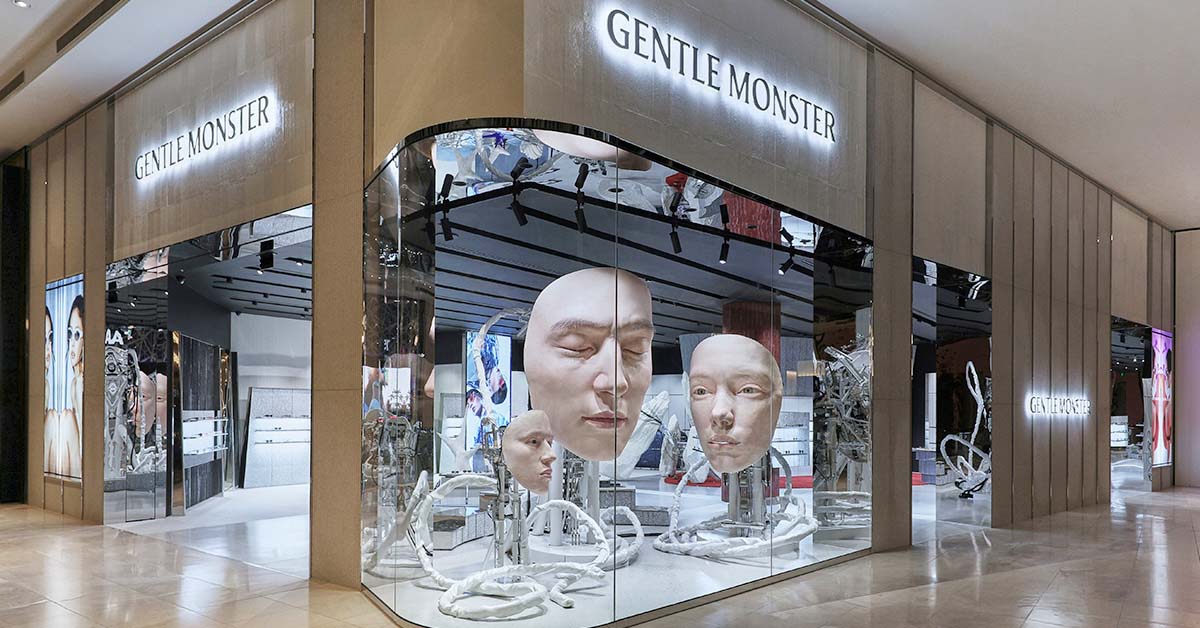
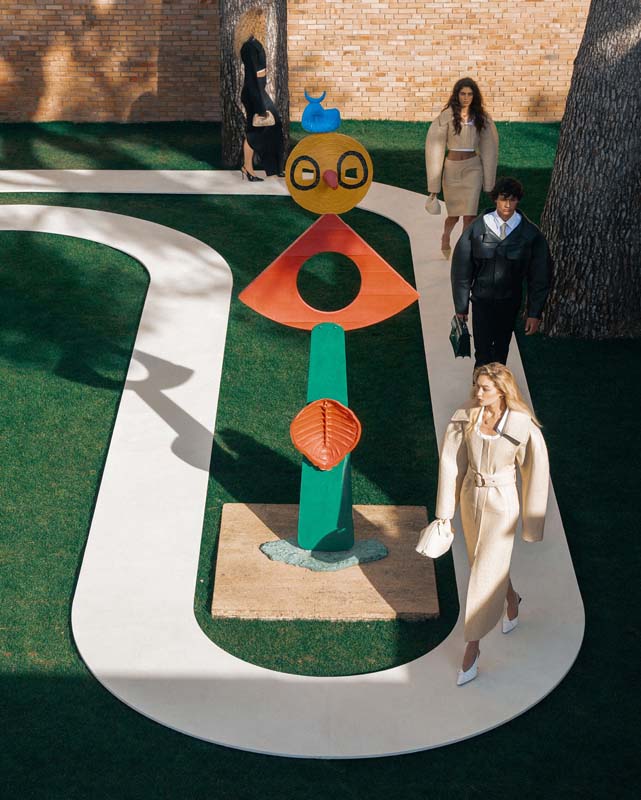
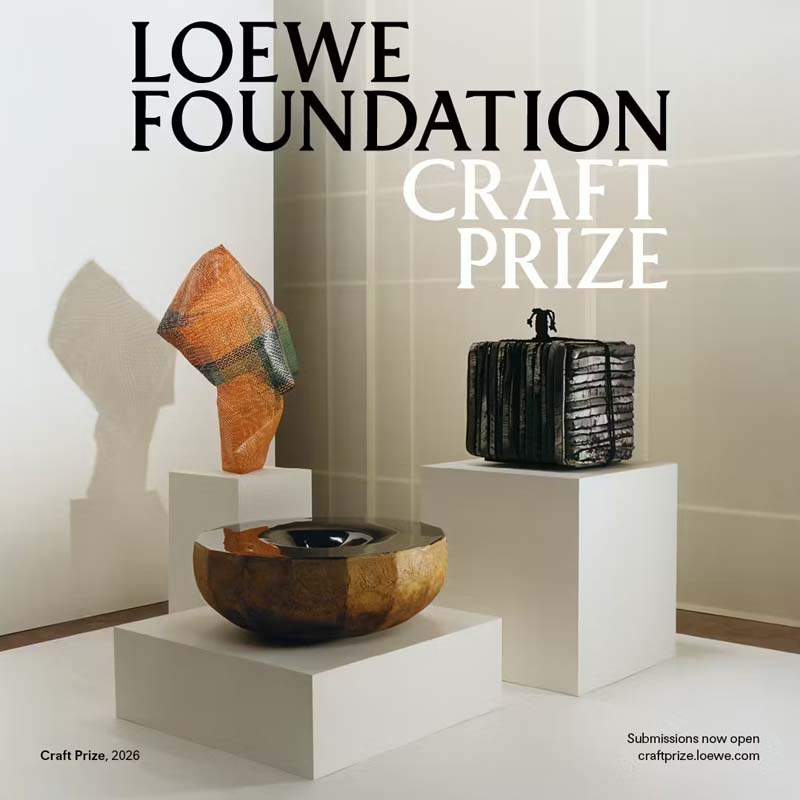
Today, this “capsule culture” extends far beyond sneakers. Gentle Monster’s immersive eyewear stores, where kinetic sculptures and video art envelop visitors, are themselves collaborations with artists. Jacquemus transforms every launch into a visual performance — from sculptural handbags to digital capsules. Even Loewe, through its Craft Prize and partnerships with ceramicists and textile artists, uses collaboration not as decoration but as dialogue.
These practices reveal a fundamental shift: art no longer simply inspires fashion; it dictates its rhythm. Every drop becomes an event, every collaboration a story. For marketing teams, the key is to orchestrate scarcity not through limitation alone, but through meaning — transforming a moment of purchase into a moment of culture.
-
VI. Why Art × Fashion Works: Emotional Branding & Cultural Legitimacy
The power of Art × Fashion collaborations lies in their ability to produce emotion before explanation. Consumers rarely remember advertising slogans, but they remember how a design, an exhibition, or an image made them feel. Art provides this emotional immediacy — it transforms a brand into an experience.
At a psychological level, collaborations satisfy two complementary human desires: the need for individual expression and the need for belonging. A Uniqlo × Basquiat T-shirt allows wearers to signal both taste and identity; a Dior × Doig jacket becomes a token of refinement and culture. In both cases, art becomes a social language — a way for consumers to say who they are, without words.
From a strategic standpoint, the ROI of such collaborations lies in cultural equity — the symbolic value a brand gains when associated with authentic creative voices.
– Art infuses emotional depth, counterbalancing the rationality of commerce.
– It delivers cultural legitimacy, connecting brands with the institutions and narratives that shape taste.
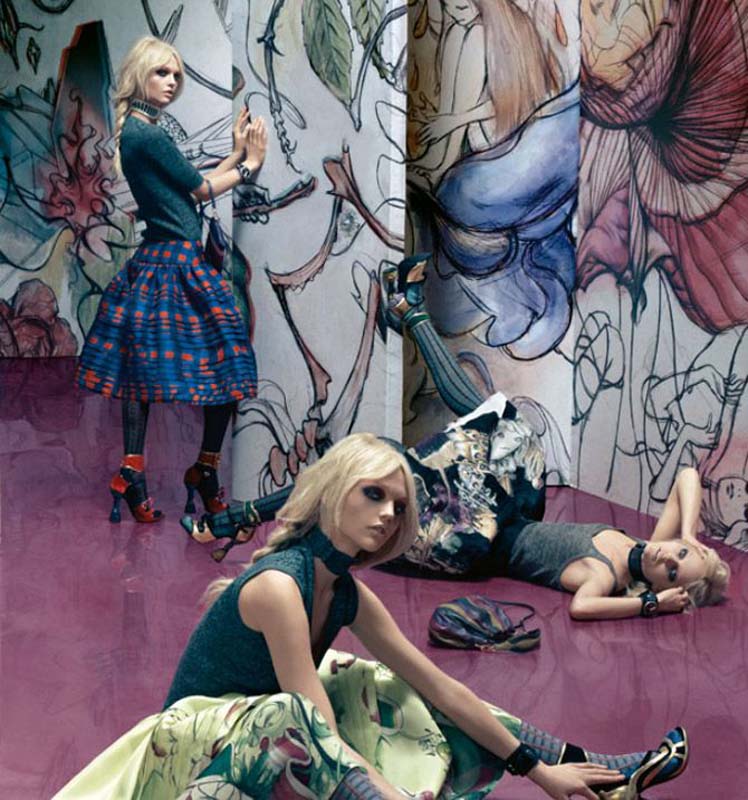
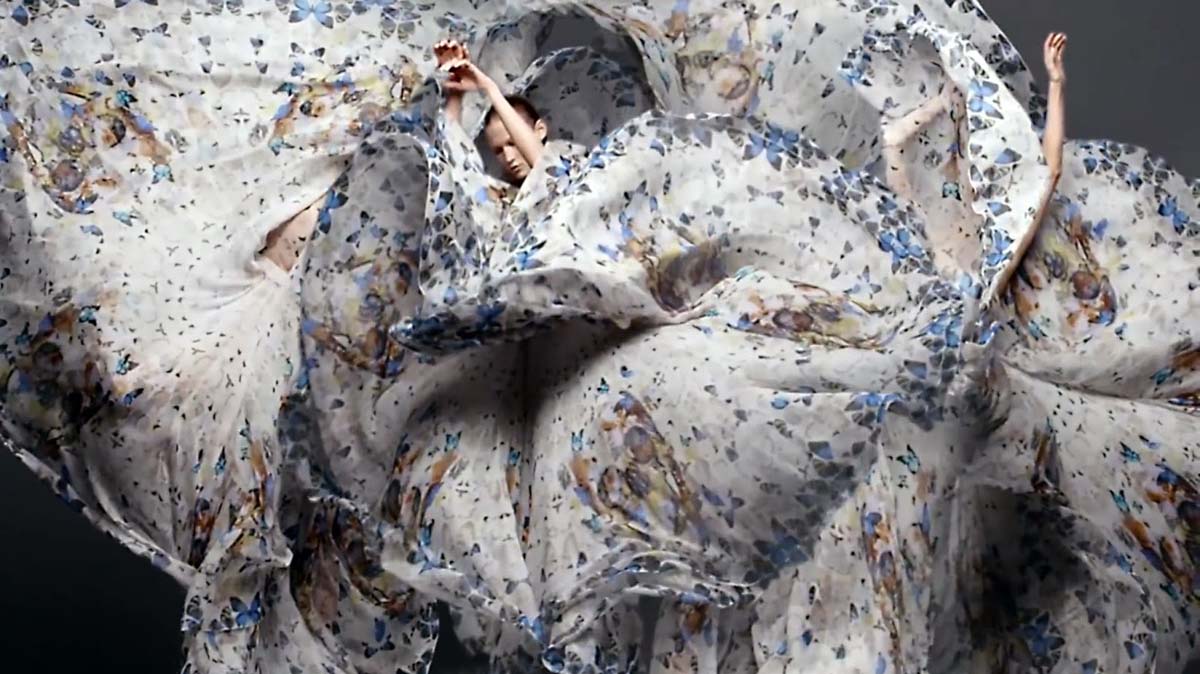
– It generates visual distinctiveness, crucial in a marketplace saturated with imagery.Consider Prada’s partnership with illustrator James Jean in 2008, where surreal illustrations transformed handbags and advertising into dreamlike worlds. Or Alexander McQueen’s collaboration with Damien Hirst in 2013 — a series of silk scarves printed with kaleidoscopic skulls and insects, merging beauty and death in a hauntingly poetic way. These projects didn’t just sell products; they created mythology.
This is what marketing teams often overlook: art’s power is not only visual, but temporal. A great collaboration extends a brand’s relevance beyond a season. It gives it a narrative thread that keeps evolving, a story that can be told and retold.
As audiences grow increasingly immune to traditional advertising, emotional branding becomes the most valuable asset of all. And in this field, art is the ultimate amplifier — not because it decorates, but because it moves.
-
VII. From Collaboration to Curation: The Somexing Perspective
After nearly a century of experimentation, the collaboration model has matured — and with maturity comes the need for curation. When every brand seeks its artist and every artist their brand, distinction no longer lies in the act of collaboration but in its intention. The question is no longer who you work with, but why — and how meaningfully both worlds align.
At Somexing, this is where strategy and art converge. True collaboration begins with cultural insight: understanding not only what an artist creates, but what they represent — their values, their narrative, their resonance within a specific audience. The most successful projects are those that transform shared vision into tangible emotion, blending the artist’s authenticity with the brand’s universe.
We call this the Art Infusion Effect — the process by which art transcends its decorative role to become a driver of strategy. Rather than using art to signal creativity, brands can use it to activate creativity across every dimension: design, storytelling, retail, and experience. This is not about borrowing culture; it’s about building it.
The approach also demands a new type of partnership model — one that is neither transactional nor temporary, but mutually transformative. Art-infused strategies have the potential to change how a brand sees itself: its tone, its visual language, its emotional footprint. When a project succeeds, both artist and brand evolve together, leaving behind not just a product, but a cultural artifact.
Somexing’s own practice illustrates this evolution. From Lancôme’s immersive “Garden of Everything” by Juju Wang, where art and science intertwined in an emotional space of light and steel, to 1664 Blanc’s collaboration with Dimitri Rybaltchenko for the Year of the Dragon, which fused French design with Chinese symbolism — each project demonstrates that when curation replaces coincidence, collaboration becomes legacy.
In the coming years, this curatorial approach will only gain importance. As AI accelerates image production and trend cycles shorten, human creativity — the kind that comes from artistic depth — will become the true marker of authenticity. Brands that integrate art not as campaign garnish but as strategic DNA will lead the next era of cultural marketing.
For CMOs and creative leaders, this means rethinking partnerships:
– Not as content creation, but as cultural creation.
– Not as seasonal collaboration, but as long-term curatorial dialogue.
– Not as product differentiation, but as brand redefinition.In other words, the future of Art × Fashion — and by extension, Art × Brand — will belong to those who treat art as a living force, capable of shaping desire, emotion, and identity in ways no algorithm ever can.
-
Conclusion – A Shared Canvas for the Future
From Schiaparelli’s surrealist gowns to Louis Vuitton’s polka-dot cosmos, from Uniqlo’s artist T-shirts to Jacquemus’ sculptural landscapes, the dialogue between art and fashion has traced a century-long arc — one that mirrors our collective search for meaning through material things.
At its heart, this dialogue tells a simple truth: when art enters fashion, fashion becomes culture. Every collaboration — whether a $20 T-shirt or a haute couture gown — carries within it a fragment of shared imagination. It’s this emotional resonance that keeps brands alive in the hearts of audiences long after campaigns fade.
As markets become algorithmic and attention spans collapse, art offers something machines cannot replicate: a sense of soul. It reminds us that beauty still matters, that ideas still move people, and that creativity — when grounded in authenticity — can bridge worlds.
For brands, the challenge now is not to join the collaboration race, but to elevate it. To move beyond visibility into vision, beyond trend into timelessness. To see art not as a marketing instrument but as a strategic partner — one capable of renewing how we imagine, produce, and communicate.
In this new landscape, art and fashion no longer run parallel. They coexist on a shared canvas — one painted with heritage, innovation, and emotion. And it is on this canvas that the next chapter of brand storytelling will be written.