Brand Strategy

Art and spirits collaborations: how artists reinvent the desire of brands

In wines and spirits, artistic collaboration now goes beyond mere dressing. It becomes a language where it transforms the bottle into an object of desire and places the house in a broader cultural conversation. This evolution responds to a clear expectation: consumers are no longer looking only for a taste, they want a story, an origin, a gesture, a vision. They want to offer a meaningful product.

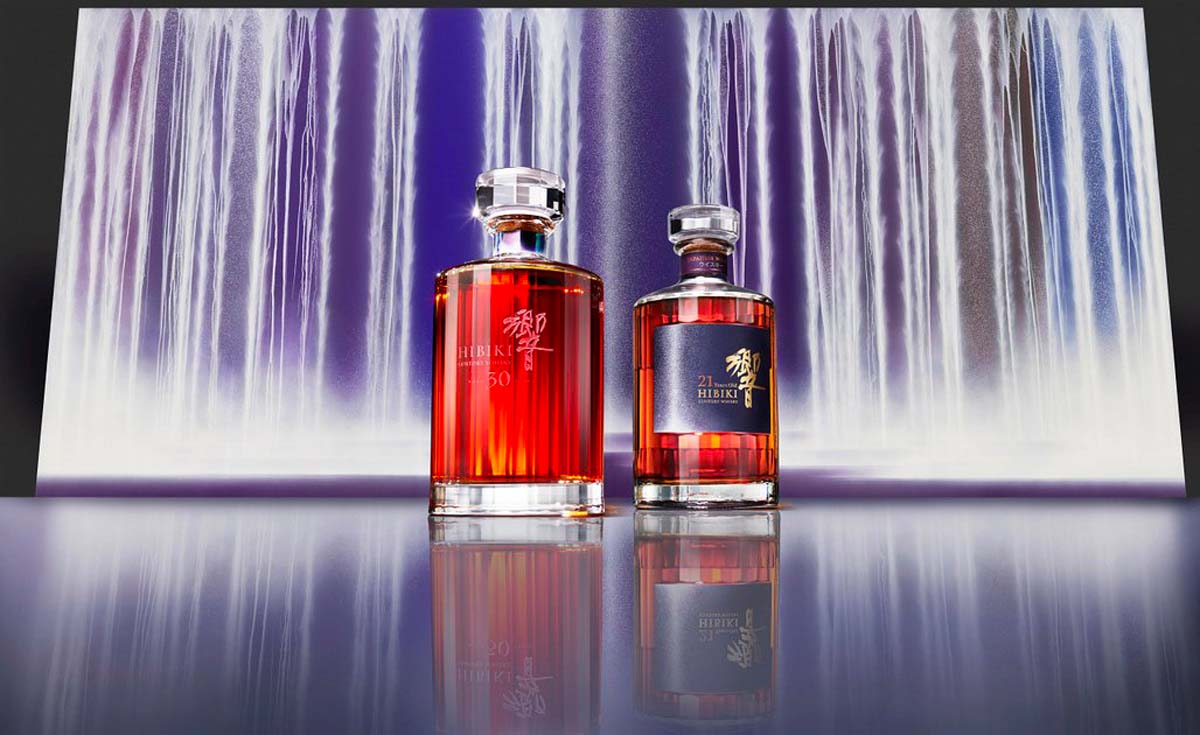
Hibiki X Hiroshi Senju Limited Edition - Spirits Collaboration

Table of Contents

  • Introduction : When the bottle becomes a cultural territory

    For champagne, cognac, whisky, rum or liqueur houses, art becomes a strategic lever. It creates rarity, gives emotional depth, and reinforces memorization. It also feeds into social content, retail, travel retail, and event activations.

    In 2024, collaborations between wines, spirits and contemporary creators confirmed this acceleration. They combined prestige, creativity and expertise which installed the houses in various cultural universes and transformed their visual identity into a brand narrative.

    In 2025 and 2026, the movement gains precision. Limited editions no longer celebrate just one occasion, they also build cultural platforms. They give art an active place in the strategy of desirability while becoming evidence of sensitivity, openness and modernity.

  • An ancient history, a more strategic use

    The alliance between art and alcohol is part of a long history. Champagne houses have worked with illustrators, cognacs have created exceptional decanters and whiskies have developed powerful graphic codes. Labels, boxes and posters have always nourished the imagination of brands.

    The current difference lies in ambition. In order for the artist x brand collaboration to become a statement, it has to carry an intention. It accompanies a launch, an anniversary, a collector’s edition or a global campaign. An artist brings a vision where he can translate a year, a material, a region, or a ritual. It makes visible what the product contains of the most immaterial nature: aging, terroir, transmission, time, light, celebration.

    This approach is particularly important for premium and luxury brands because it takes them out of the technical discourse. It gives a sensitive dimension to quality while creating a bridge between know-how and imagination. It helps marketing teams talk about excellence in a different way.

    The subject is both cultural and strategic. Cultural, because it involves symbols, artists, references, and uses, and strategic, as it affects perception, value, visibility, and brand preference.

  • Holidays as a cultural accelerator

    Major celebrations remain a powerful engine. Christmas, New Year, the Lunar New Year, or Diwali offer moments of sharing. Brands find there a natural setting to talk about transmission, generosity, luck, light or renewal.

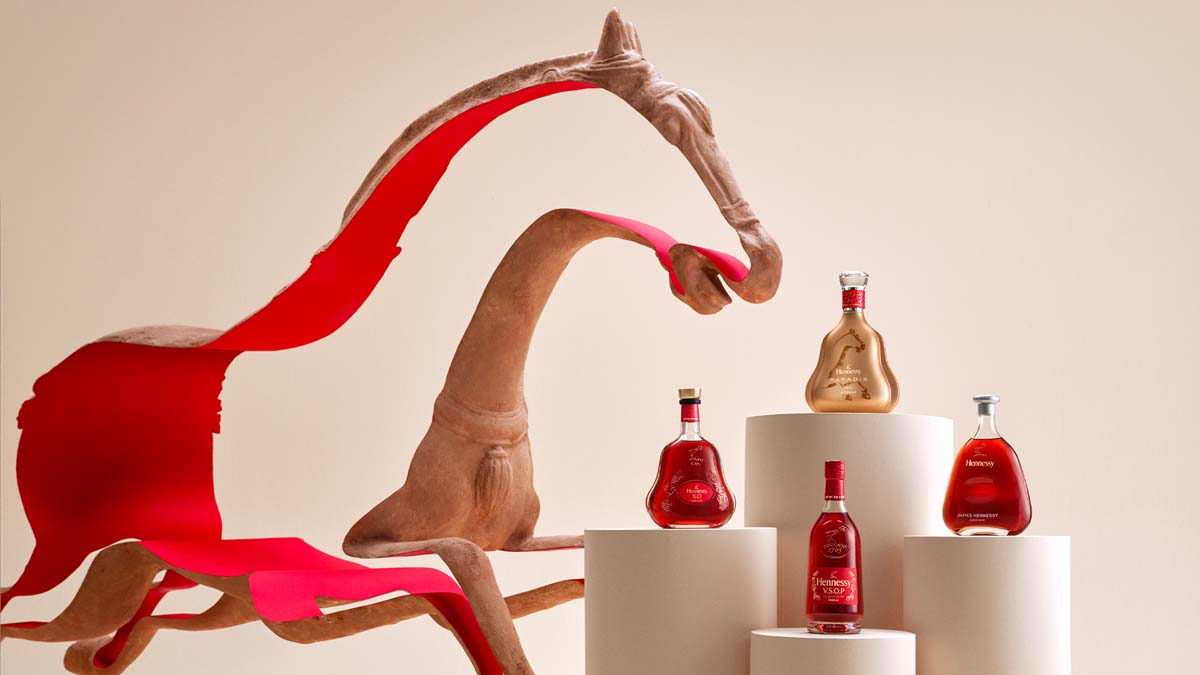
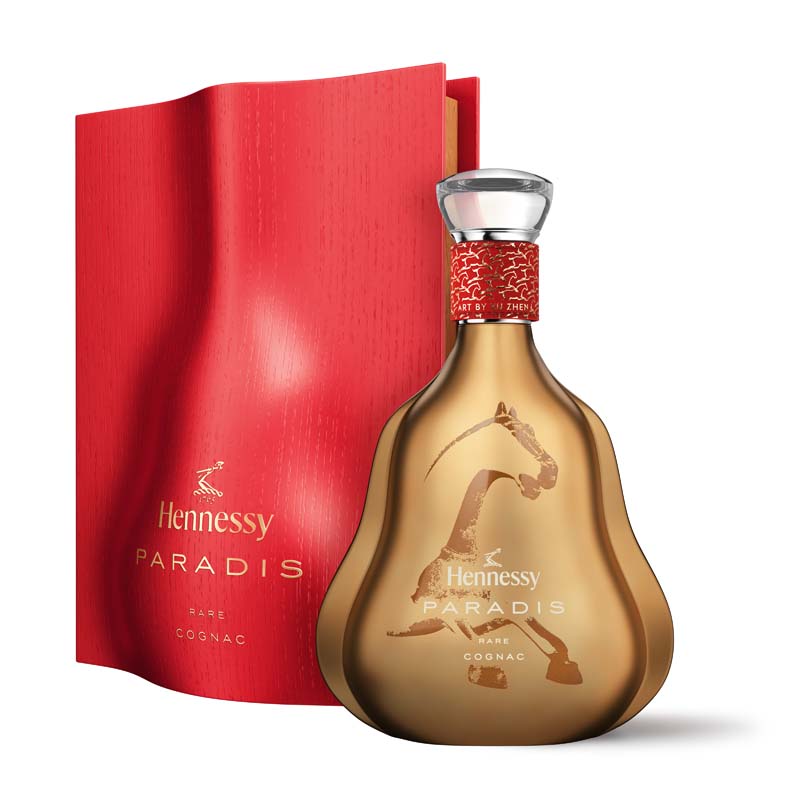
    The Lunar New Year 2026 confirms this dynamic. Hennessy has unveiled a XO edition associated with the Chinese artist Xu Zhen for the Year of the Horse. The horse becomes a symbol of energy and freedom and this creation offers a contemporary reading of the strong cultural sign. It allows the cognac house to address international audiences while respecting a local imagination

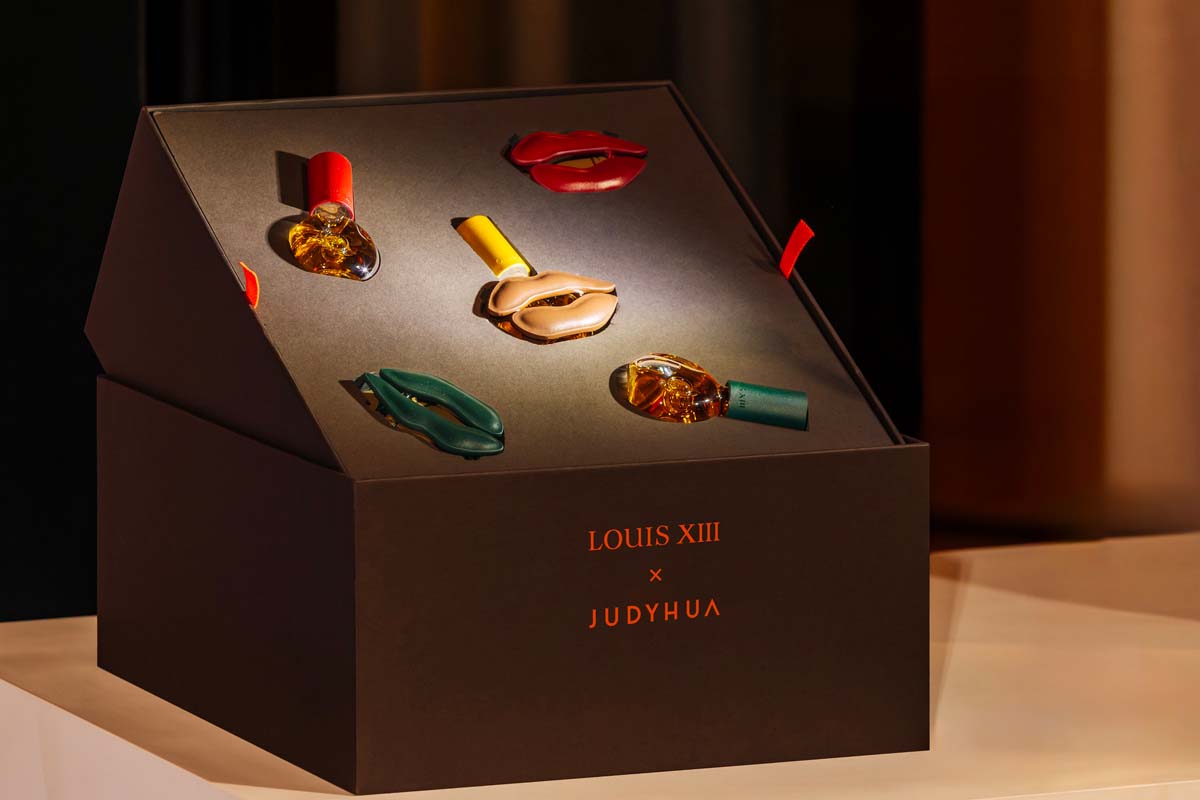
    Louis XIII explores a more subtle path with JUDYHUA. Presented in October as part of the designer’s SS26 collection, this encounter places cognac in a world of fashion, gestures and high precision. The collaboration was then reactivated at key moments of desirability: before Christmas, around the Chinese New Year, then before Valentine’s Day. With this approach, the project maintains a broader cultural scope more than just being a seasonal operation. It also shows how a heritage house can partner with a contemporary designer to enrich its imaginary of rarity, elegance and long time. Here, the festival acts as a context of resonance while giving the cultural object a natural place in the art of offering.

    A successful festive collaboration goes beyond the seasonal theme. It offers a fair cultural interpretation and it respects symbols. It is for this reason that when celebrations arrive, some houses associate themselves with artists to imagine unique pieces, thought as true objects to offer.

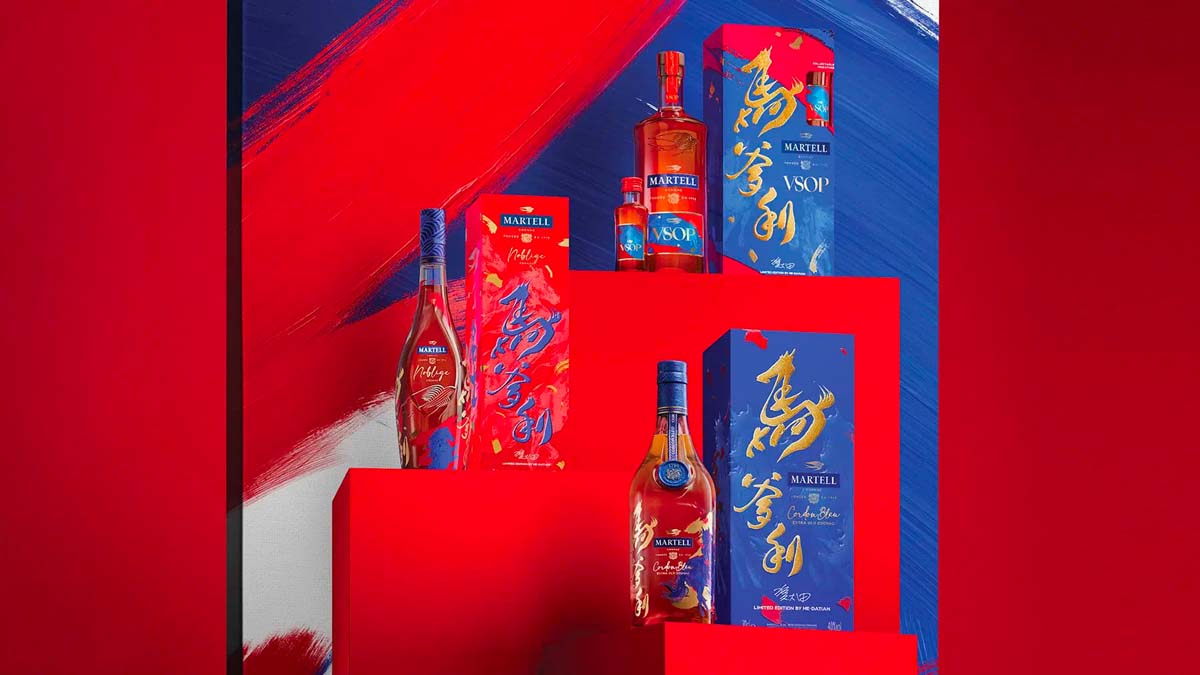
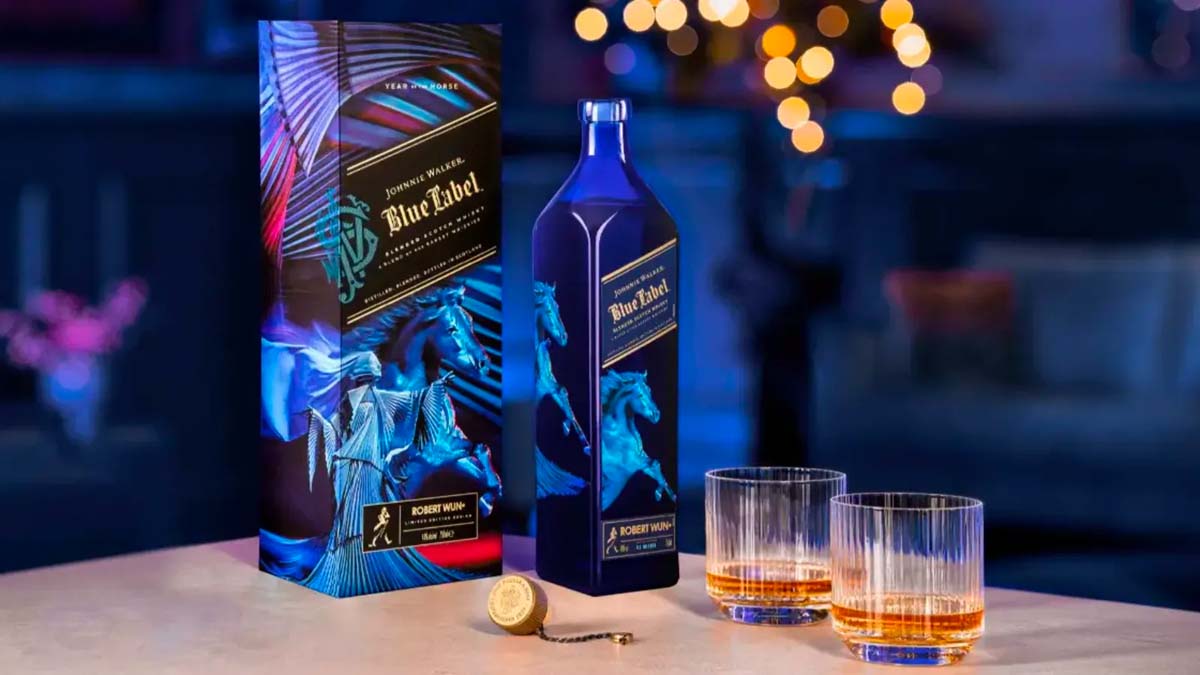
    For their Chinese New Year’s Limited Edition, Martell collaborated with the artist He Datian around a bottle with striking colors while Johnnie Walker unveiled a limited edition imagined with the creator Robert Wun. These collaborations avoid superficial illustration. They give the audience the feeling of an authentic encounter. Celebrations then becomes a space for expression and a test of cultural accuracy.

    Hennessy X Xu Zhen Chinese New Year Limited Edition - Spirits Collaboration
    Louis XVIII X Judyhua Limited Edition - Spirits Collaboration
    Martell X He Datian Chinese New Year Limited Edition - Spirits collaboration
    Johnnie Walker X Robert-Wun Chinese Limited Edition - Spirits Collaboration
  • The limited edition as a collector’s item

    In spirits, the limited edition remains a powerful tool. It creates rarity, captures attention, and supports perceived value. It can also become a trap when it is limited to a graphic variation. The public expects more and wants to understand why this edition exists.

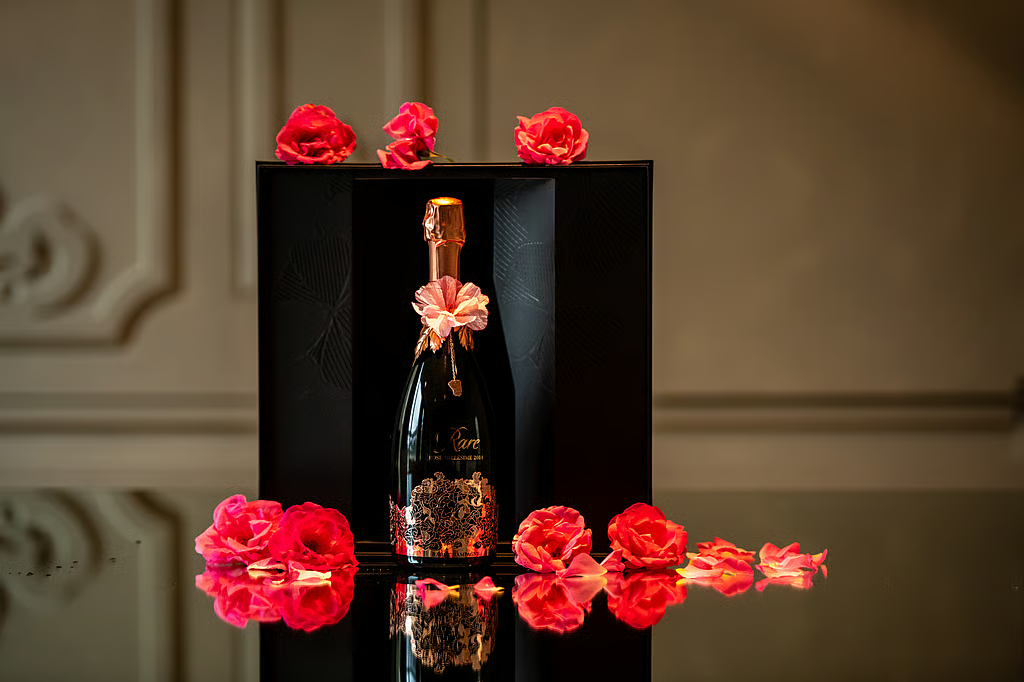
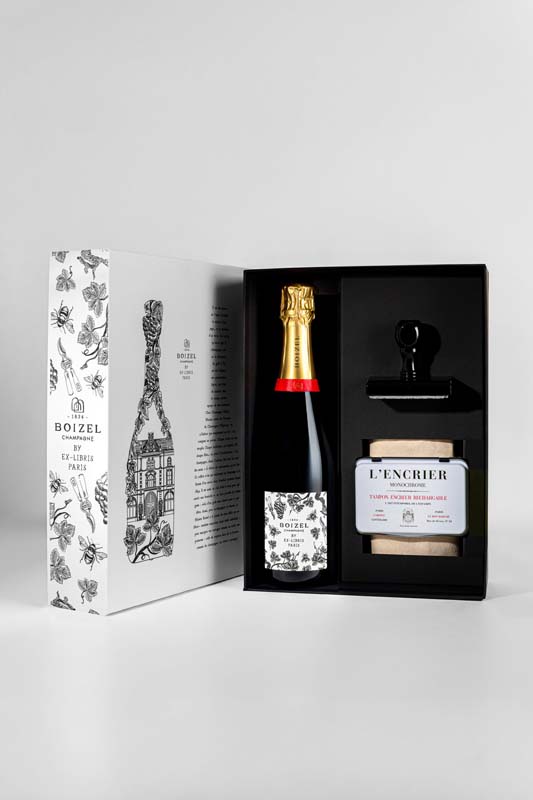
    Rare Champagne has unveiled a collaboration with William Amor around Rare Rosé Millésime 2012. The project transforms neglected materials into precious flowers. It gives a poetic and responsible dimension to the world of champagne. It also  shows how an exceptional house can combine luxury, craftsmanship and sustainable commitment without weakening its imaginary of rarity. Following the same logic, Champagne Boizel celebrated its 25th anniversary with an Ex Libris box set designed as an object of transmission and collection.

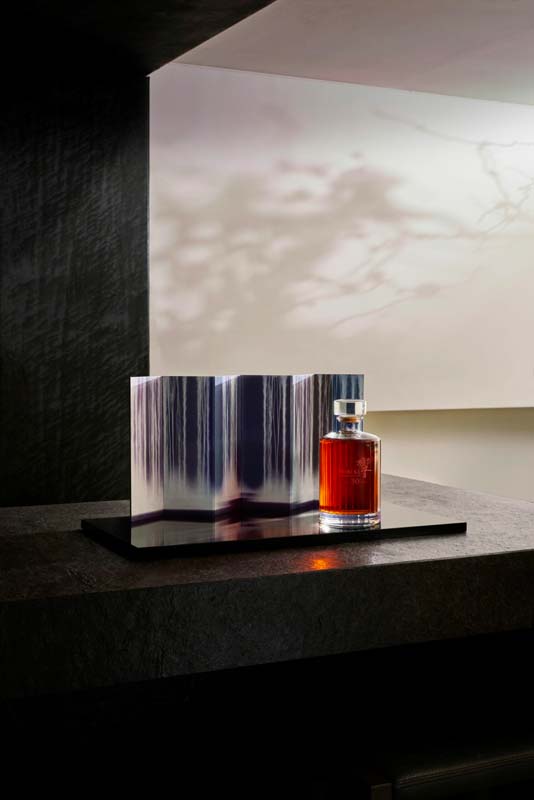
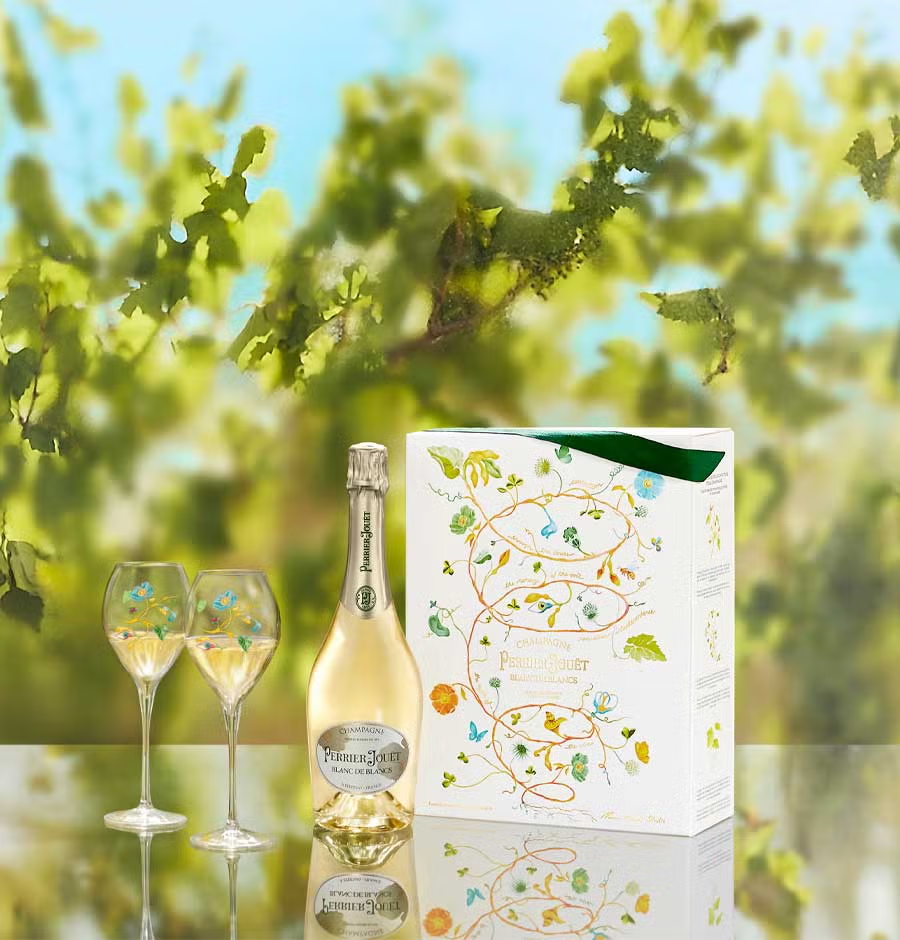
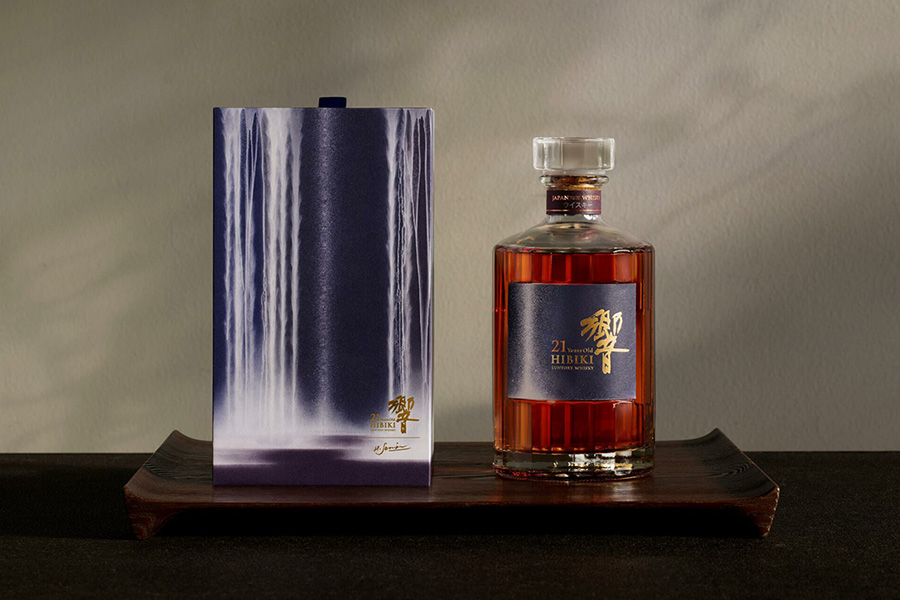
    Hibiki proposes another direction. In 2025, the Japanese house partnered with the painter Hiroshi Senju for collector editions of Hibiki 21 and 30. The artist, known for his monumental stunts and his relationship with nature, dialogues with a universe based on harmony, time and delicacy. For its part, PerrierJouët collaborated with artist Marcin Rusak around a limited edition box showing how the plants are intertwined in the Champagne ecosystem and the specific role that each plays for the enrichment of biodiversity.

    For brands, the stakes are clear: a collectible must be looked at, tell its story, be offered and passed on. It must exist as an object as much as an image. On the shop window, online, on social media or at a private event, it must maintain the same visual and narrative strength.

    A successful limited edition relies on three strengths: a desirable object, strong brand coherence and the ability to spark conversation. Without this alignment, the collaboration remains decorative.

    Rare Champagne X William Amor Limited Edition - Spirits Collaboration
    Champagne Boizel X Ex Libris Limited Edition - Spirits Collaboration
    Hibiki X Hiroshi Senju Limited Edition - Spirits Collaboration
    Perrier-Jouët X Marcin Rusak Limited Edition - Spirits Collaboration
  • From packaging to brand experience

    Artistic collaboration often starts on the bottle. It gains power when it creates an ecosystem. Box, installation, dinner, shop, performance, video content or tasting experience: each medium can extend the story.

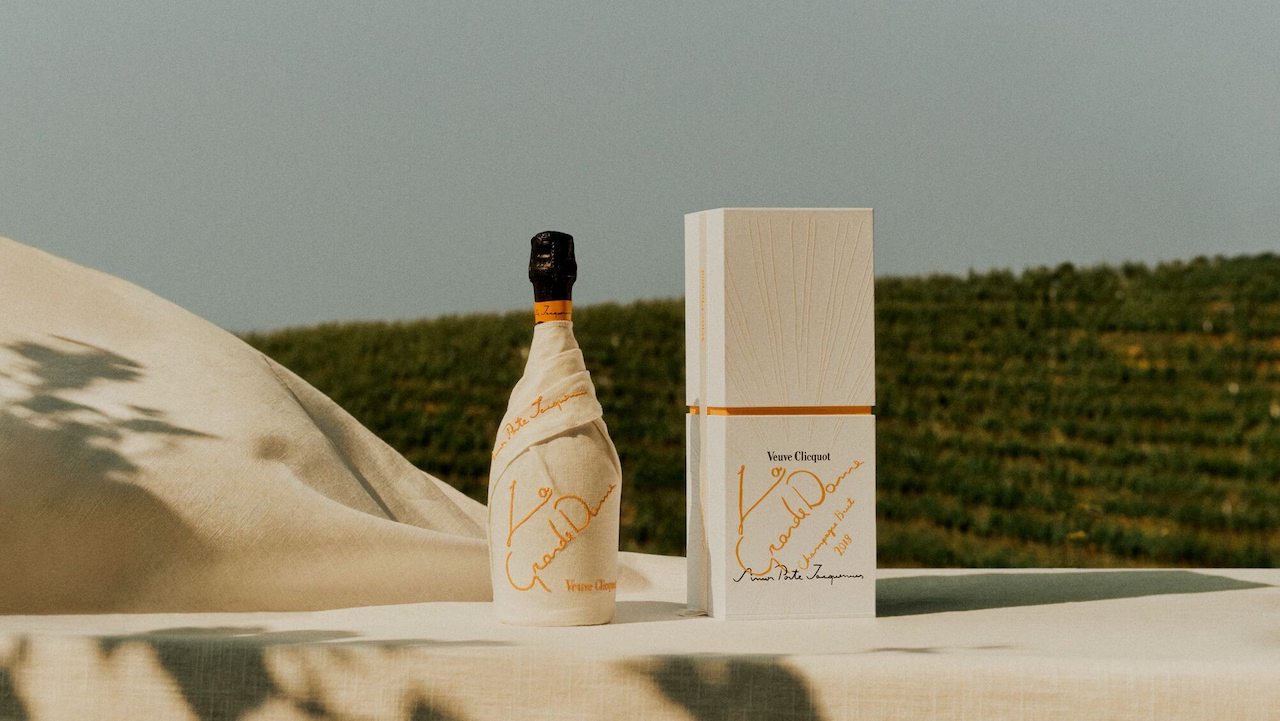
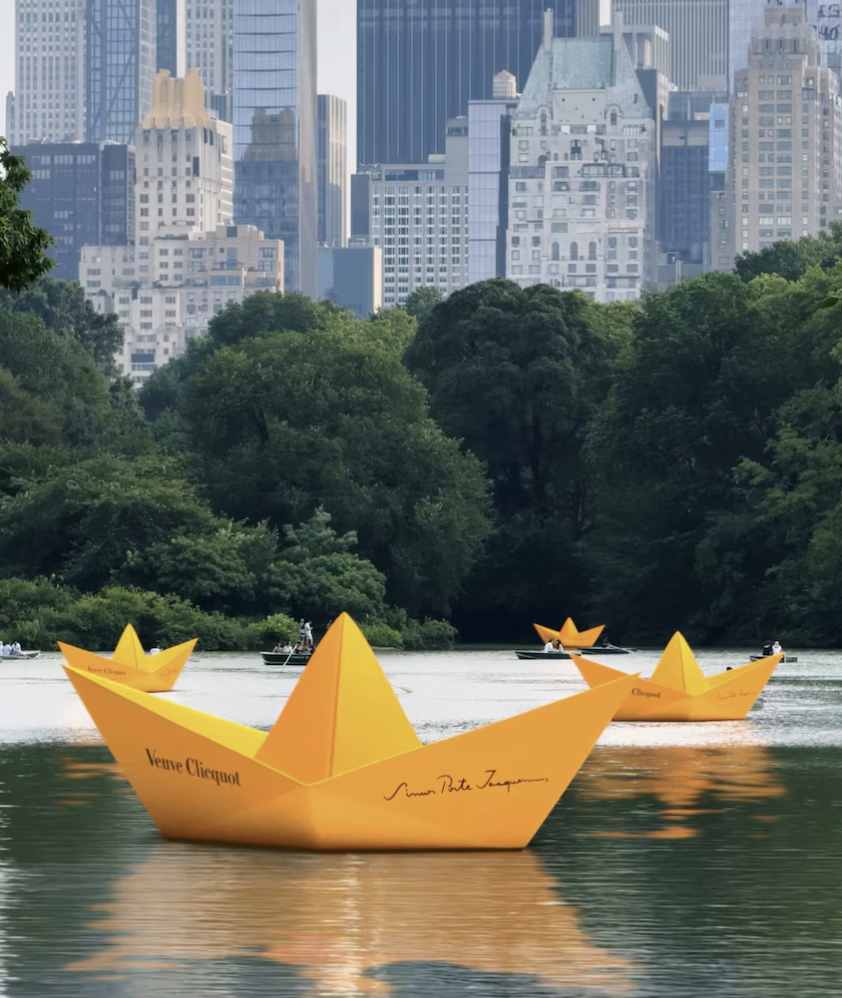
    Veuve Clicquot and Jacquemus showed it with La Grande Dame 2018. The designer worked around light, textiles, and a contemporary refresher. In order for the collaboration to create an atmosphere, he extended the solar spirit of the house and combined champagne, fashion, lifestyle and design.

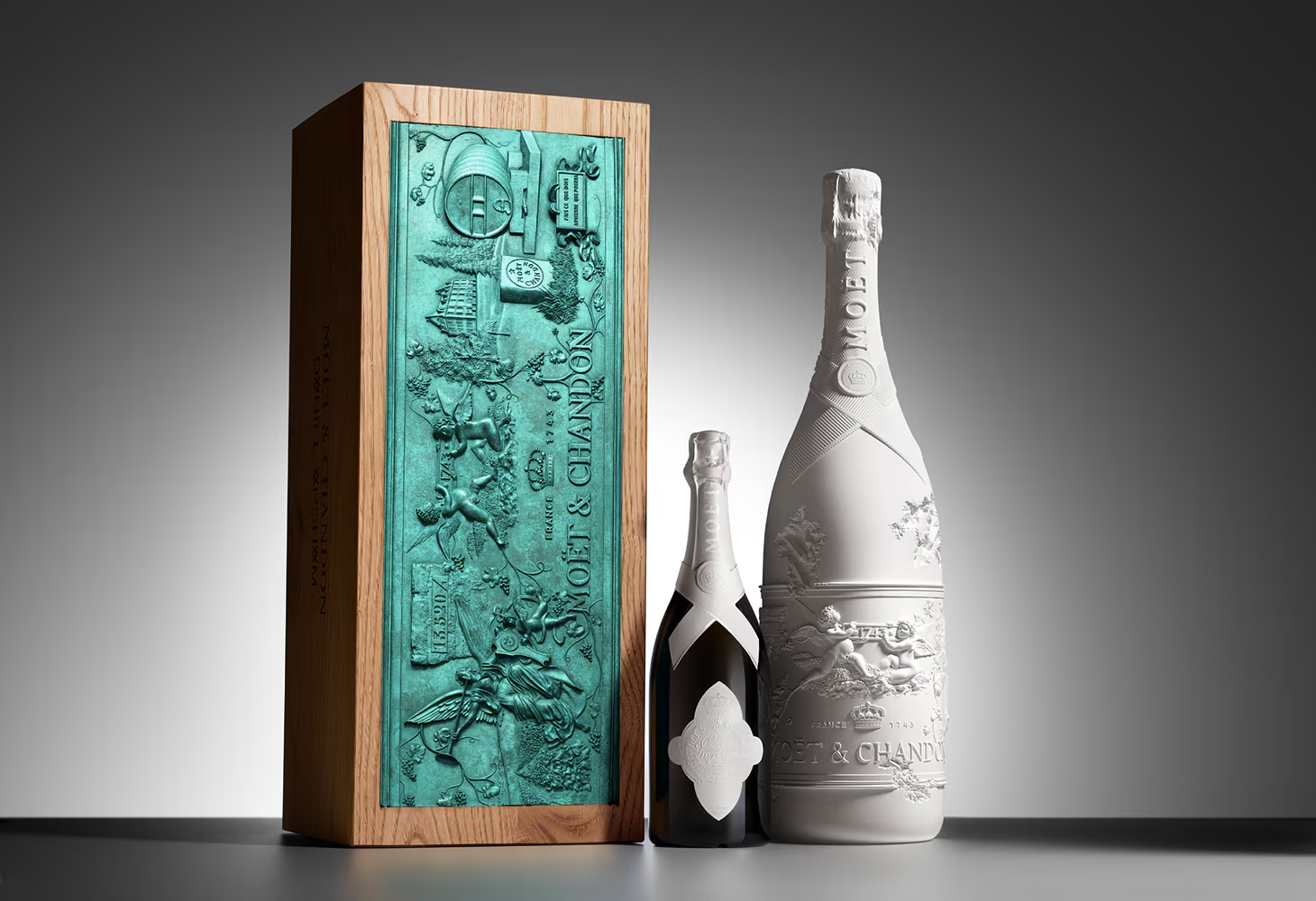
    In 2024, Moët & Chandon celebrated its 280 years with Daniel Arsham around the Imperial Collection Creation No.1. The project combined limited-edition boxes and large-format work, creating a dialogue between the history of the house and the artist’s archaeological aesthetic. The object then became a trace of time.

    This experiential dimension is decisive because a successful art-spirit collaboration is not limited to the object: it has to create uses. We offer it, we preserve it, we share it, we photograph it, we taste it, sometimes we collect it. The richer these gestures are, the more memorable the campaign becomes.

    Digital technology extends this logic. The box circulates online, the work is told in video, and the artist’s gesture becomes content. Retail activation gains visibility without losing its relevance. Collaboration then exists as much in the physical world as in social flows.
    Veuve Clicquot X Jacquemus Limited Edition - Spirits Collaboration
    Moët & Hennessy X Daniel Arsham Limited Edition - Spirits Collaboration
    Veuve Clicquot X Jacquemus Limited Edition - Spirits Collaboration
  • Why do these collaborations enhance desirability

    The artist brings a look, a material, a visual style. He moves the object away from the standard product and gives it a new aura and for a spirits house, this aura becomes precious.
    The product often evolves within a strict regulatory framework. Communication must remain responsible while art opens up a more subtle space of expression. This framework then allows us to talk about emotion, matter, time, color, and memory.

    Moreover, brands that choose an artist with accuracy assert their cultural sensitivity. They show that they understands their time, that they bring their heritage to life and that they know how to interact with contemporary creation.

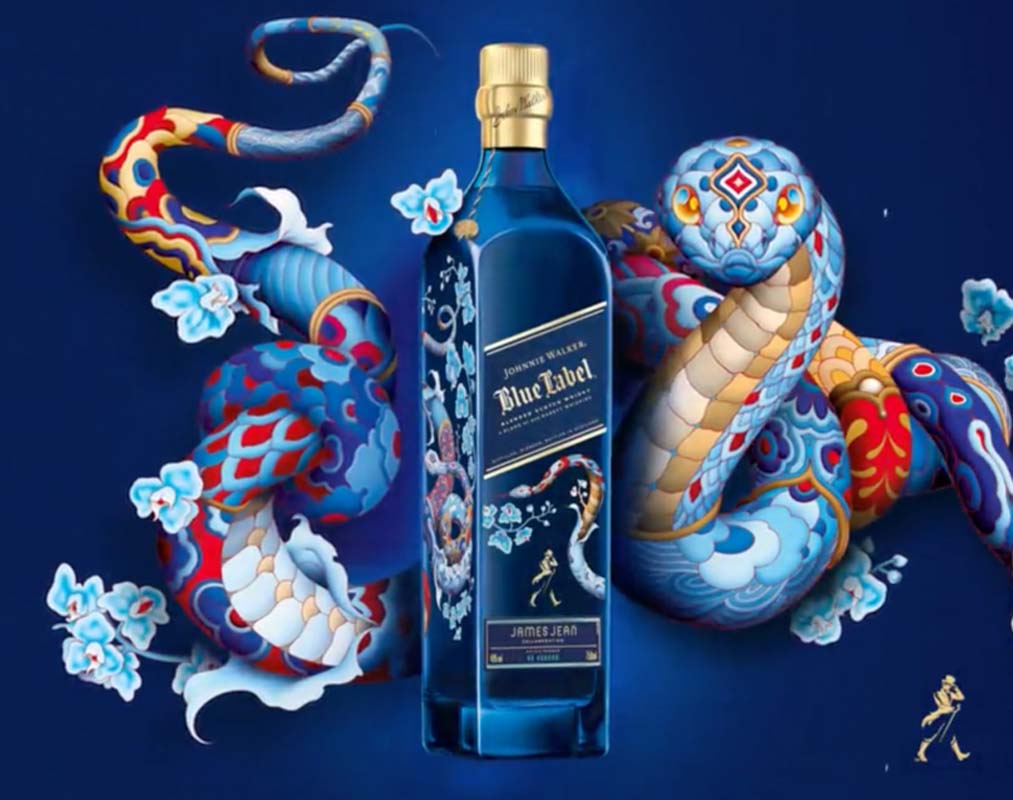
    The selection of the artist is therefore decisive. The name alone is not enough because the strength of collaboration lies in a real affinity between the artist and the brand. James Jean extends Johnnie Walker with a narrative between Asian tradition and contemporary imagination. Hiroshi Senju responds to Hibiki through his relationship with nature, silence, and balance. Xu Zhen echoes Hennessy with a work crossed by heritage, modernity and global culture.

    Collaboration then becomes a tool of cultural value, enriching brand memory and opening a new chapter. It gives marketing teams strong content, sales teams a premium argument and consumers a reason to choose. It also affects perceived value. A signed object seems more rare, more thought out, and more embodied. This value is not based solely on price but it is based on the quality of the story and the coherence of the whole.

    Johnnie Walker X James Jean Limited Edition - Spirits Collaboration
    Hibiki X Hiroshi Senju Limited Edition - Spirits Collaboration
    Hennessy X Xu Zhen Chinese New Year Limited Edition - Spirits Collaboration
  • From rarity to cultural narrative

    Recent collaborations show a major shift, where scarcity attracts attention, but it is no longer enough to create a lasting connection. Brands must inscribe their editions in a broader cultural narrative.

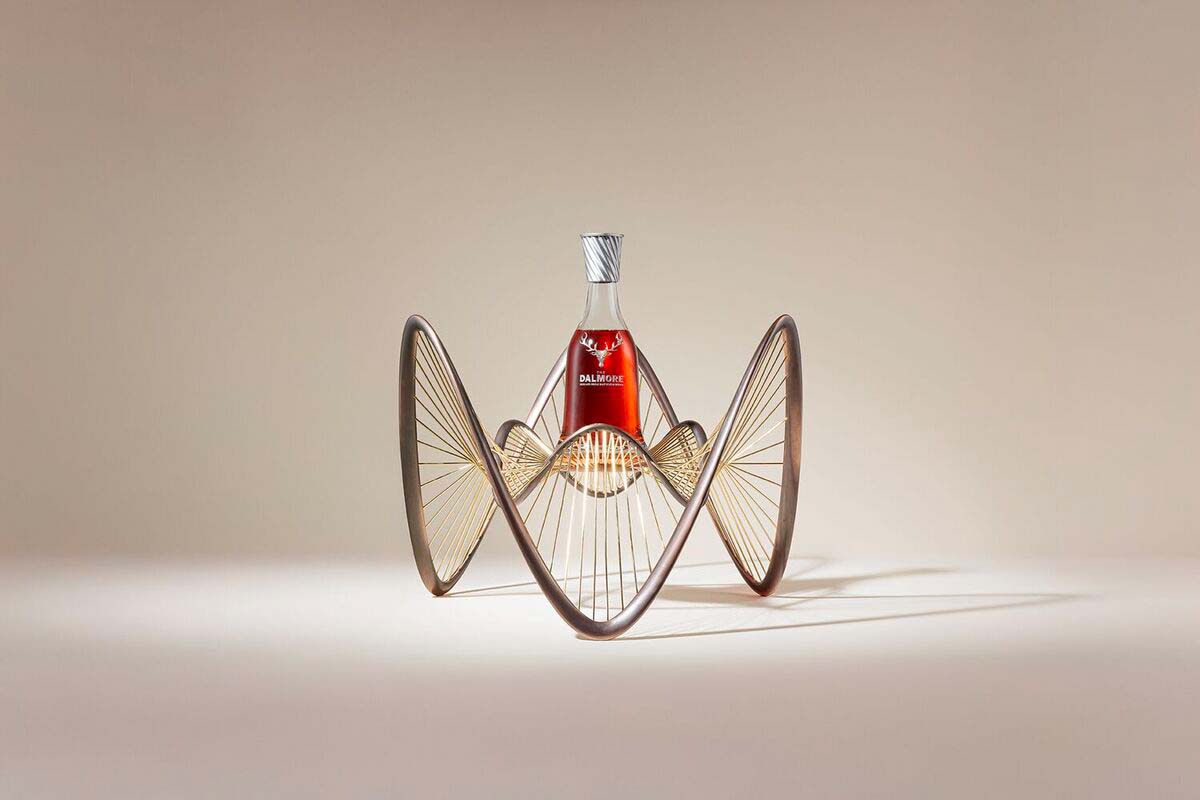
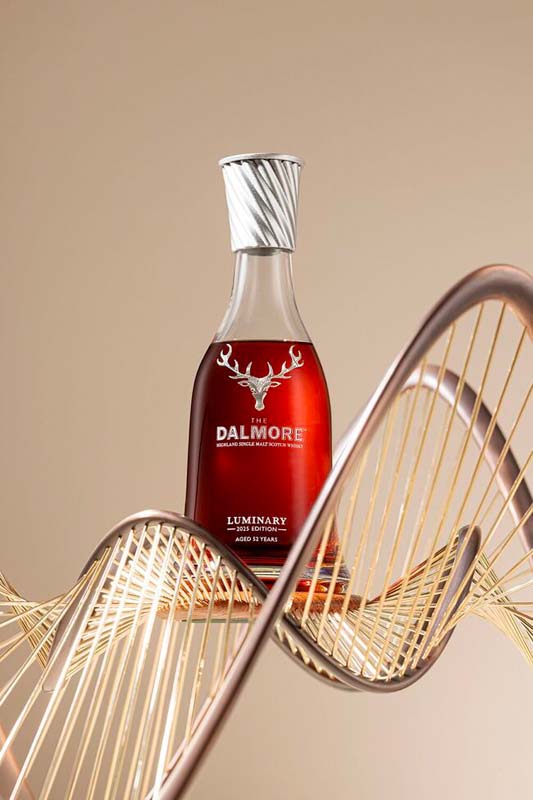
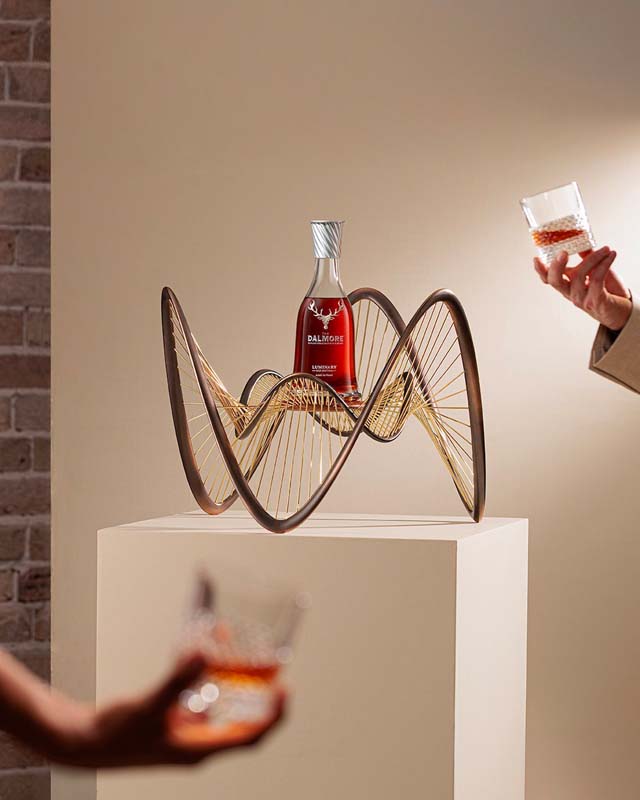
    This story can be born from a celebration, as in the editions of the Lunar New Year but also anchored in a territory, a vineyard or a region. It can be incarnate in a gesture, when a craftsman, a designer or a visual artist intervenes on a box or to be built in the dialogue between two heritages. The Dalmore × Ben Dobbin collaboration is the perfect example where whisky meets architecture, cognac meets paper cutting and champagne meets fashion.

    This narrative depth allows the campaign to last. It creates several highlights: the teasing, the revelation of the artist, the unveiling of the object, then the experience. The collaboration is then long-term, supported by editorial content, interviews, events, and social publications.

    The cultural narrative also invites the public to enter into history. The consumer becomes a spectator, guest, collector or ambassador. He understands the gesture, shares the story and associates the brand with a specific emotion.

    For wine and spirits houses, the stakes are strategic. In highly competitive categories, where premium codes tend to look the same, art creates a more subtle difference. A singularity that goes beyond the shape of the bottle or the prestige of the name.

    The Dalmore X Ben Dobbin Limited Edition - Spirits Collaboration
    The Dalmore X Ben Dobbin Limited Edition - Spirits Collaboration
    The Dalmore X Ben Dobbin Limited Edition - Spirits Collaboration
    The Dalmore X Ben Dobbin Limited Edition - Spirits Collaboration
  • Somexing Artistic's perspective: from decoration to Art Infusion

    For Somexing Artistic, an artistic collaboration is born from a meeting between a brand and an artist. It resonates with the DNA of the house, reveals a true part of its identity and gives meaning to the project.

    This is the principle of Art Infusion: to place art at the heart of brand strategy. Artists do not sign a simple visual, they express a vision, a territory, an energy, a creative tension. That is how a collaboration gains in depth.

    In wines and spirits, this coherence becomes essential. These houses often carry decades, sometimes centuries of history. They seek to evolve without losing their roots, to seduce without trivializing their product and to attract new audiences while respecting their historical communities.

    Somexing Artistic accompanies brands in this delicate balance. The agency identifies artists and partners capable of giving substance to this vision, builds the narrative, defines the media, imagines activations and ensures the coherence of the project. It’s about creating a meeting that has a purpose.

    With the Art Infusion, collaboration finds its rightful place. It extends the brand’s history, enriches its universe and gives the product a new cultural scope.

  • Conclusion: Art as an accelerator of desire

    Collaborations between artists and spirits are entering a more mature phase. They are no longer limited to an aesthetic gesture or a limited edition. They become a territory of expression for brands: a way to tell their story, to affirm their cultural sensitivity and to create experiences that remain.

    The 2025 and 2026 examples show this. Johnnie Walker and James Jean extend a lunar imagination. Hibiki and Hiroshi Senju express Japanese harmony. Rare Champagne and William Amor assert a lasting commitment. Hennessy and Xu Zhen offer a contemporary reading of a cultural symbol. Louis XIII and JUDYHUA associate rarity, elegance and long time.

    For wine and spirits houses, the stakes are now strategic and require precision. A successful collaboration is not only based on the beauty of the object or the notoriety of the artist but in its balance between culture, strategy and desirability in order to create meaning as much as desire.

    In this new economy of desire, the bottle becomes more than a container: it becomes a media, an accessible work of art or a social sign. Sometimes, even the starting point of a deeper relationship between a brand and its audience.

Read more articles
Quand l’artisanat d’art revient sur le devant de la scène

When Craftsmanship Returns to Center Stage

Through collaborations with major luxury houses, a whole facet of contemporary luxury is being rewritten at the crossroads of craftsmanship.
Lihong Box Guerlain

China’s Creative Surge Around the Neo-Traditional Trend: Between Creation, Craft, and Transmission

Exclusive collaborations between artists and brand fully integrate craftsmanship into brand narratives.
Art × Diwali: How Creative Collaborations Illuminate Brand Strategy

Art × Diwali: How Creative Collaborations Illuminate Brand Strategy

Every autumn, the glow of Diwali illuminates not only homes across India but also the imagination of brands worldwide.

Subscribe to our Newsletter

By subscribing to our Newsletter, you will receive the latest News of Somexing Artistic’s collaborations and exhibitions, together with our experts’ insights and Art x Marketing Trends

QR Code Wechat - Somexing Artistic