Chinese New Year 2026 – PART 1 : Cultural Fluency in the Year of the Horse
Chinese New Year 2026 brand campaigns show a clear shift toward cultural fluency and heritage-driven storytelling in China’s Lunar New Year marketing.
Chinese New Year has always been a paradox for both global and local brands in China. It is a major cultural and commercial moment, yet the creative space remains narrow. Generic red-and-gold aesthetics, zodiac symbols, and repetitive festive codes are now perceived as outdated by audiences who want to experience the holiday as culture rather than consume it as a theme.
In 2026, this paradox intensifies. As consumer confidence remains cautious and saving behaviors increase, luxury consumption is being recalibrated. Brands are moving away from loud celebration toward more thoughtful, culturally grounded narratives that emphasize meaning, continuity, and authenticity.

Table of Contents
-
Why Cultural Intelligence Matters More Than Ever in Lunar New Year Marketing
This context does not suggest that brands should reduce their Chinese New Year presence. Instead, it raises expectations. Lunar New Year campaigns must now earn relevance through emotional value, cultural fluency, and aesthetic integrity. The Year of the Horse adds a symbolic layer associated with movement, stamina, and forward momentum—qualities that resonate strongly in a period of reset.
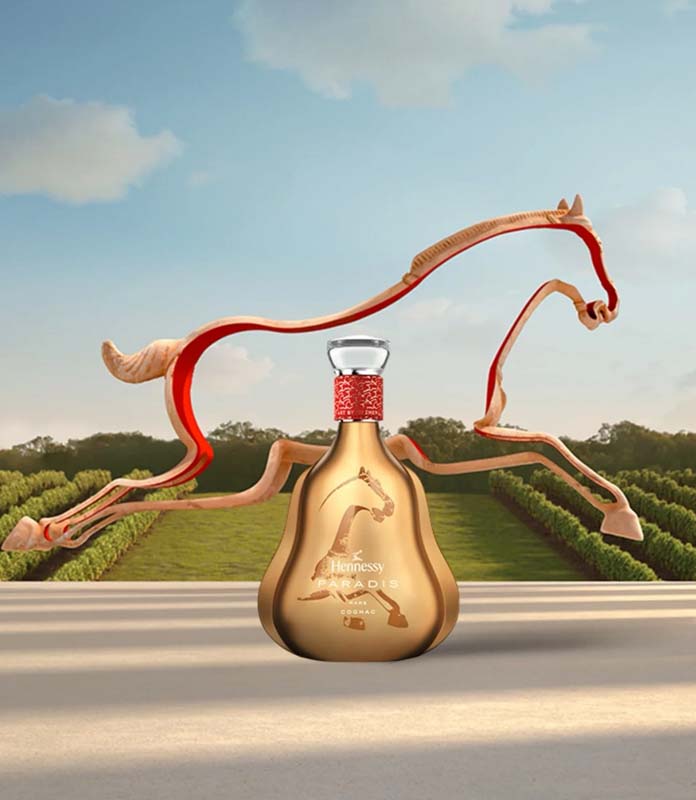
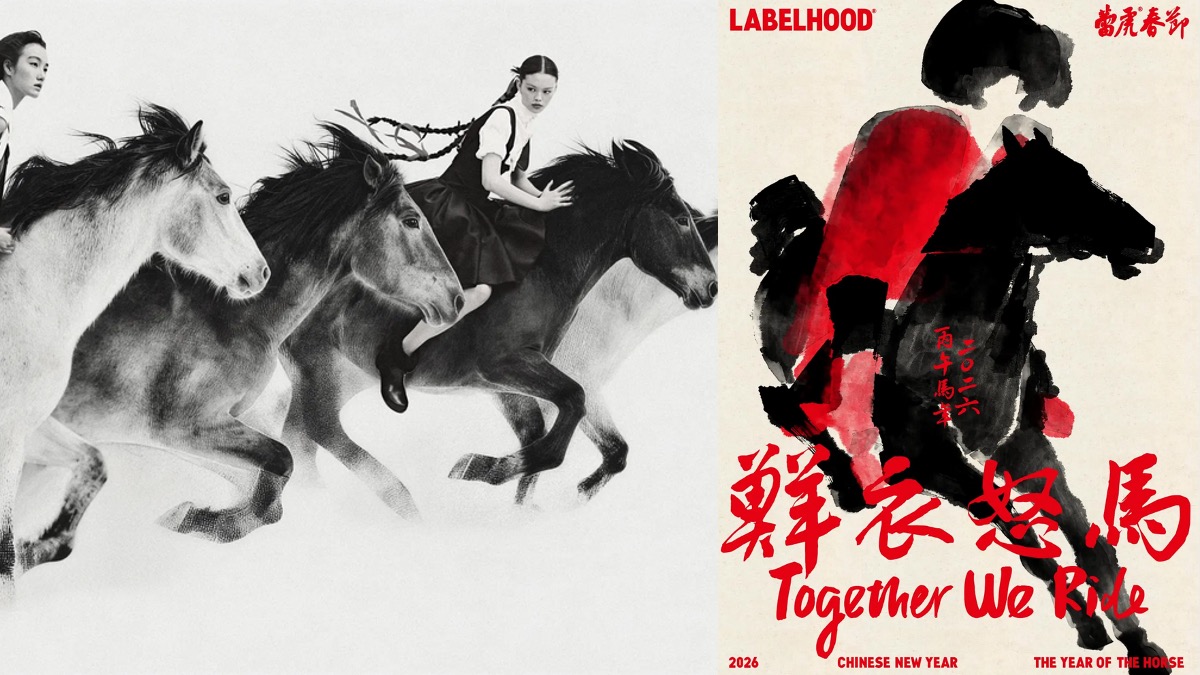
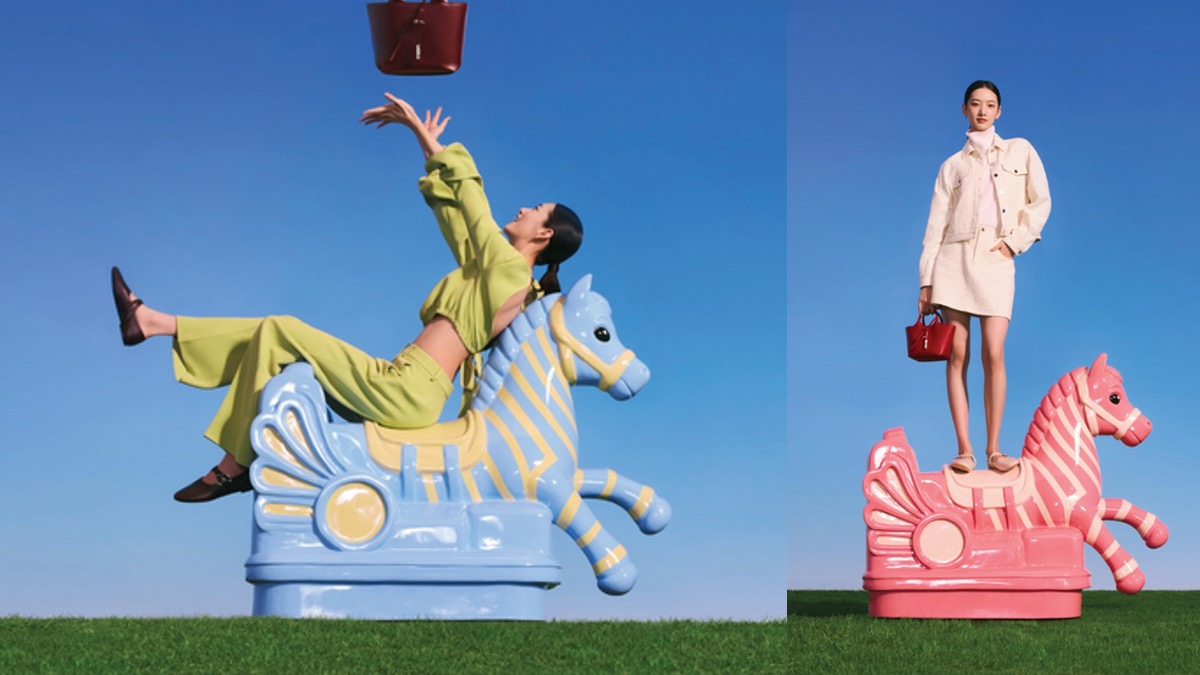
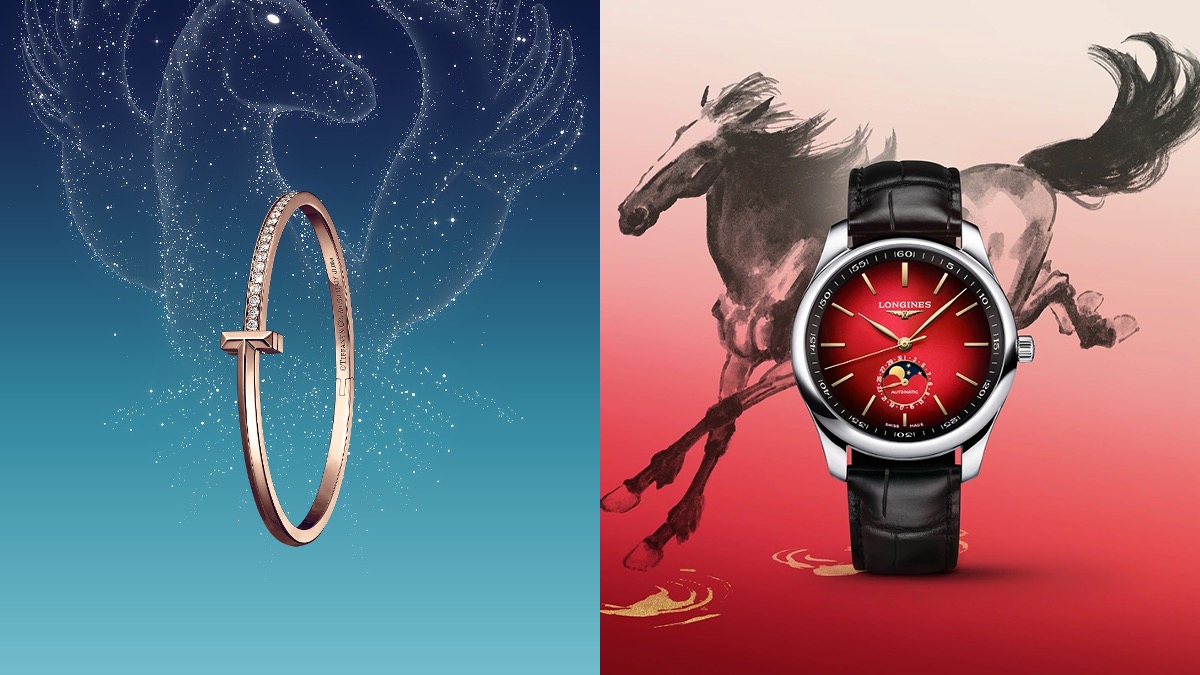
In Chinese visual culture, the horse is not a decorative mascot. It carries meanings of endurance, motion, and progress. The strongest Chinese New Year 2026 campaigns treat the horse as a narrative gateway rather than a literal image, using it to express values such as renewal, continuity, and purposeful movement
-
From Zodiac Decoration to Cultural Fluency: craft and folk cultures
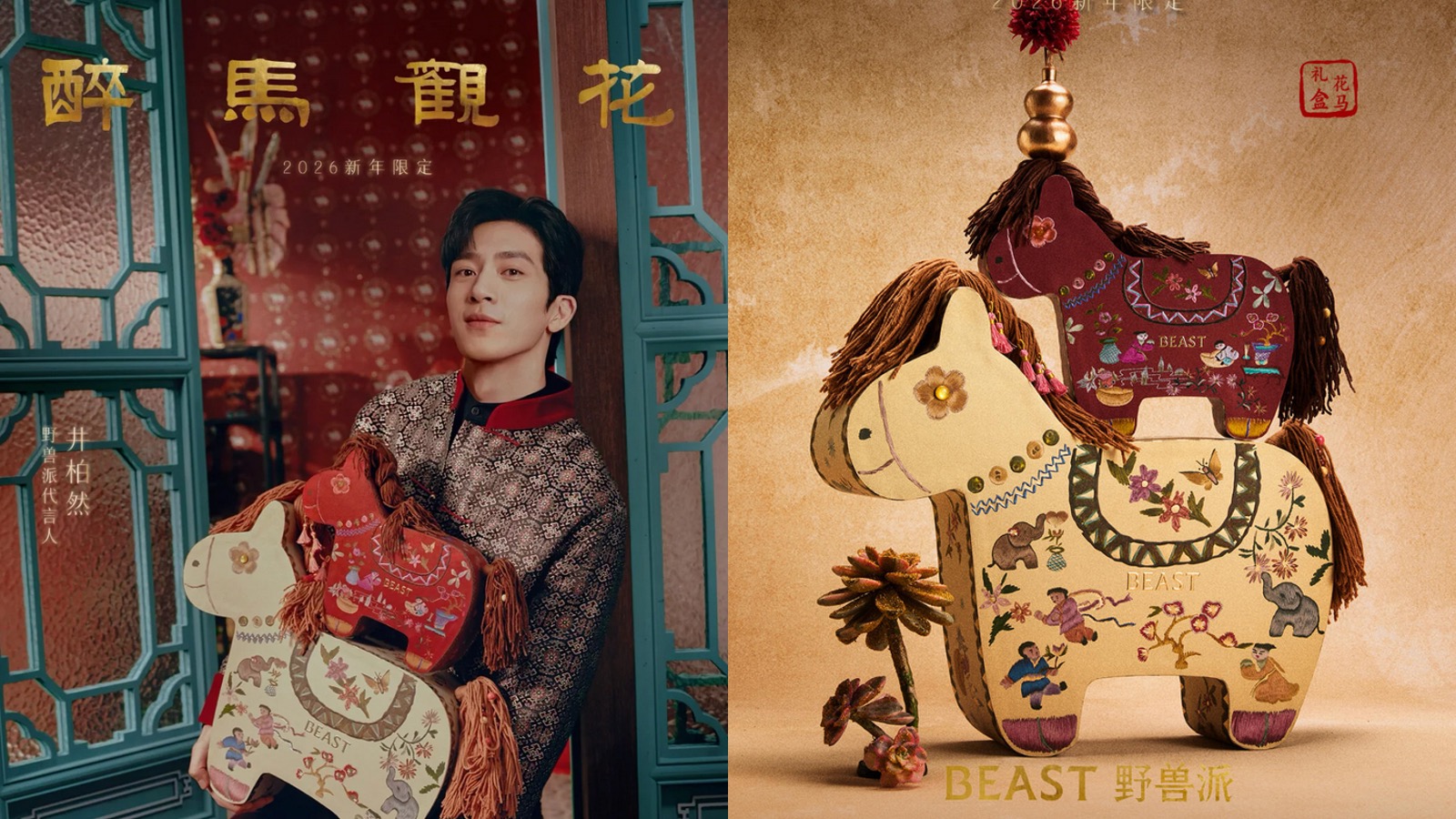
What emerges in 2026 is a shift from zodiac decoration to cultural literacy. Brands use the zodiac as an entry point, then build deeper stories through rituals, craft lineages, regional references, and collaborations that demonstrate real understanding.
-
Cultural Relevance Through Rituals and Place
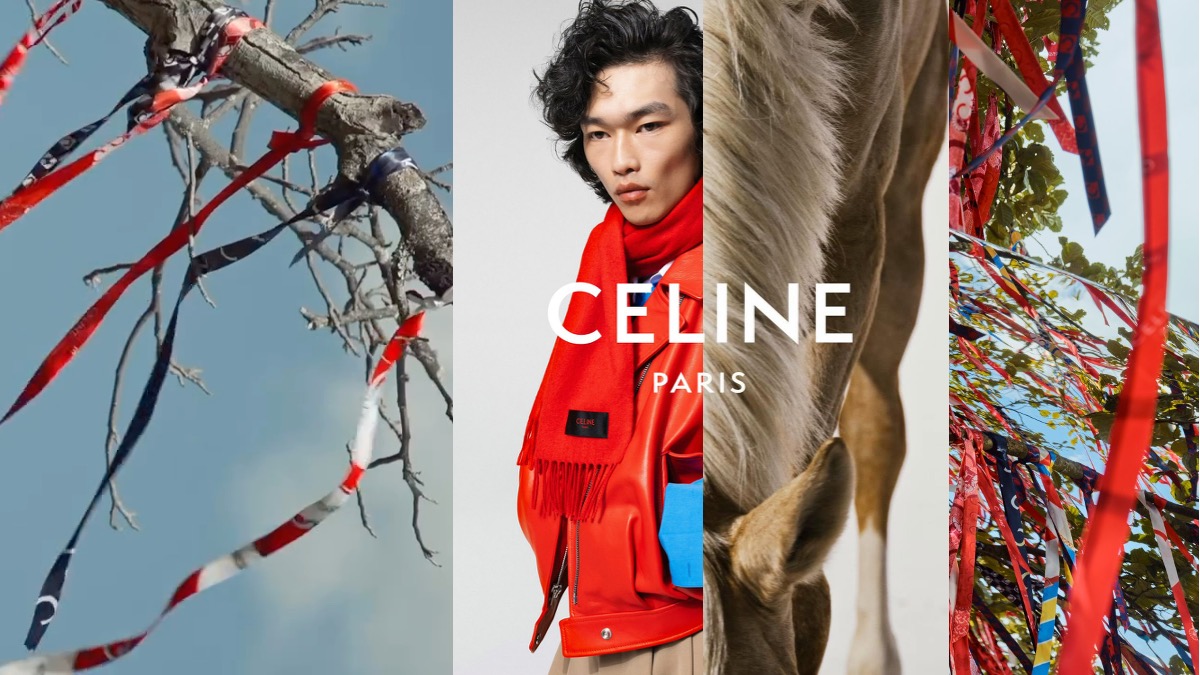
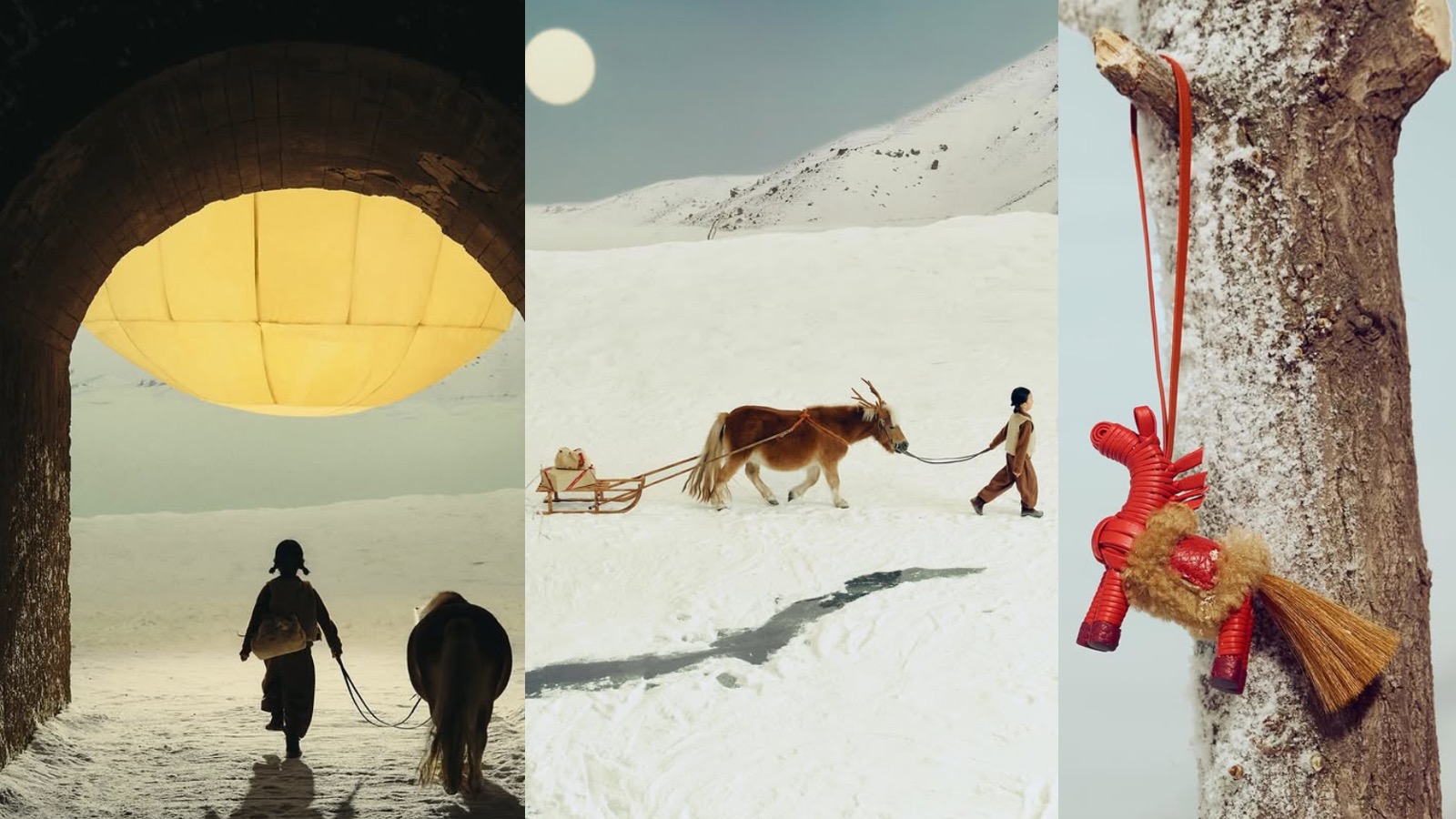
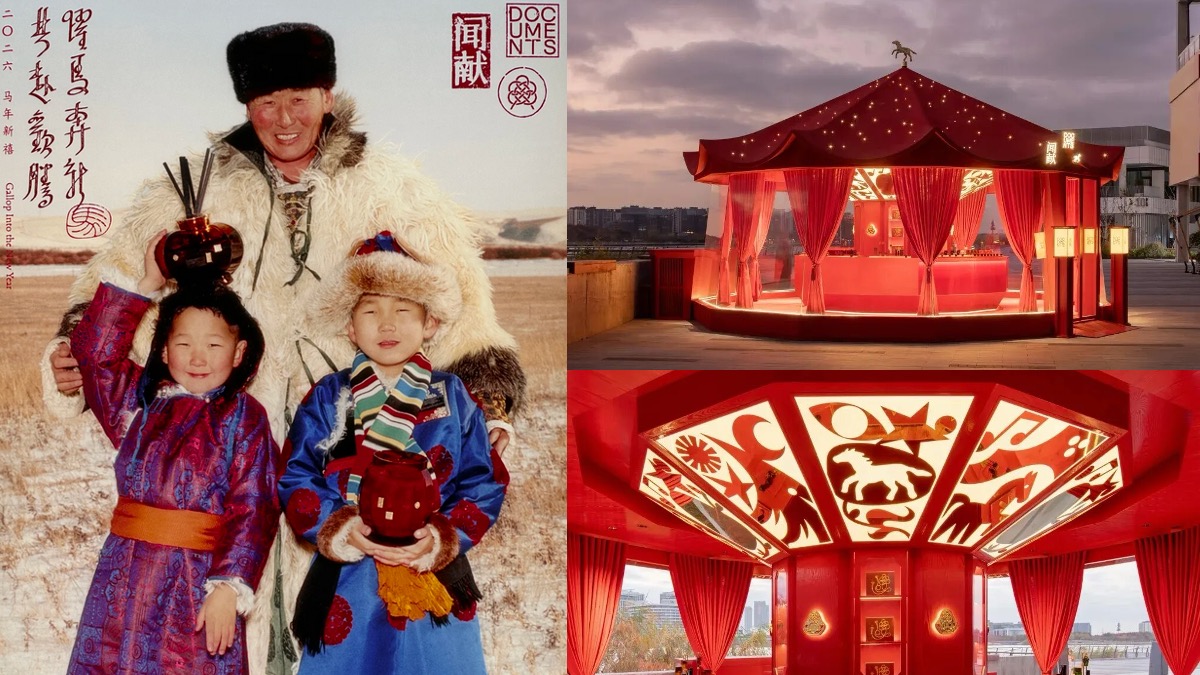
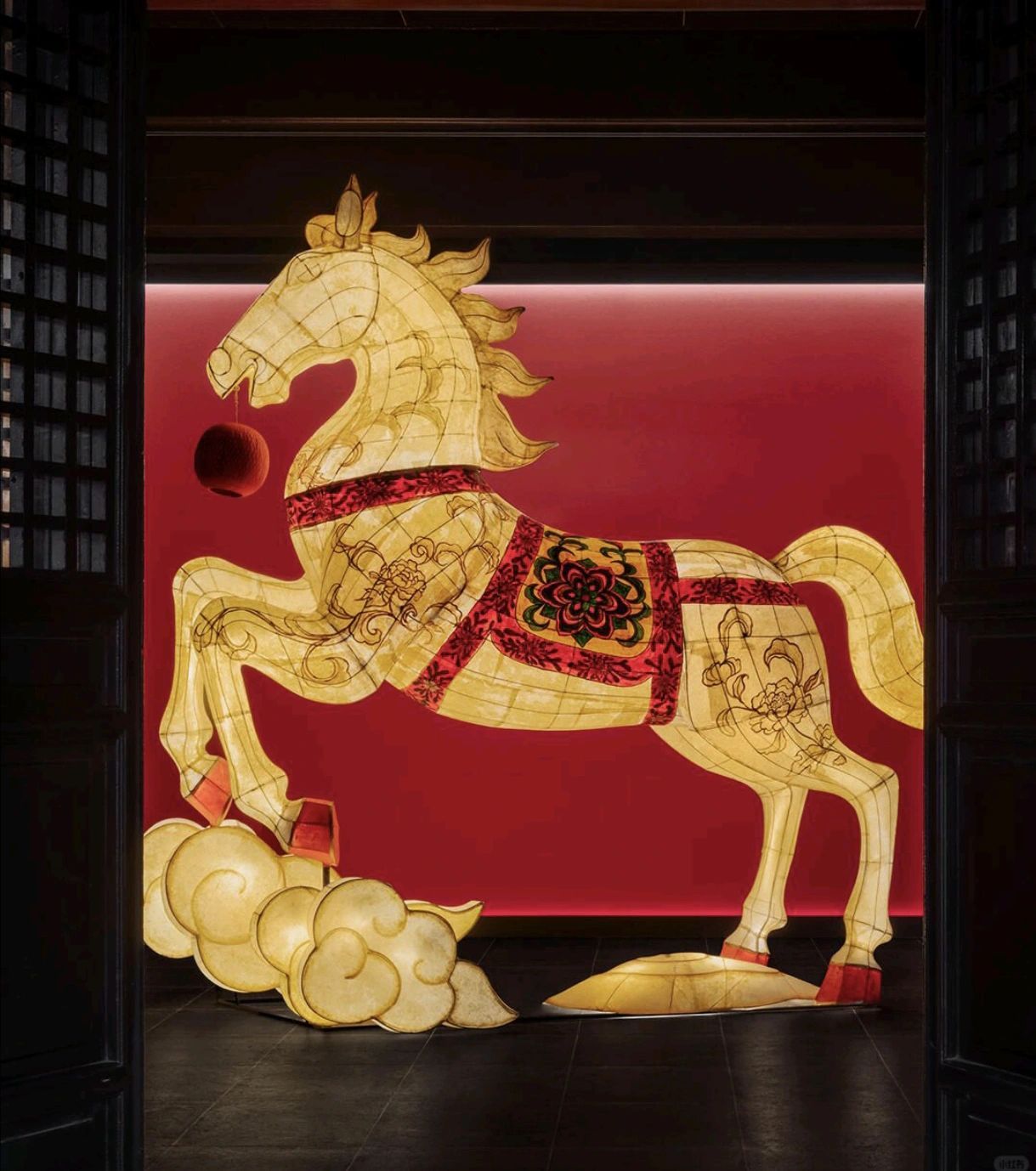
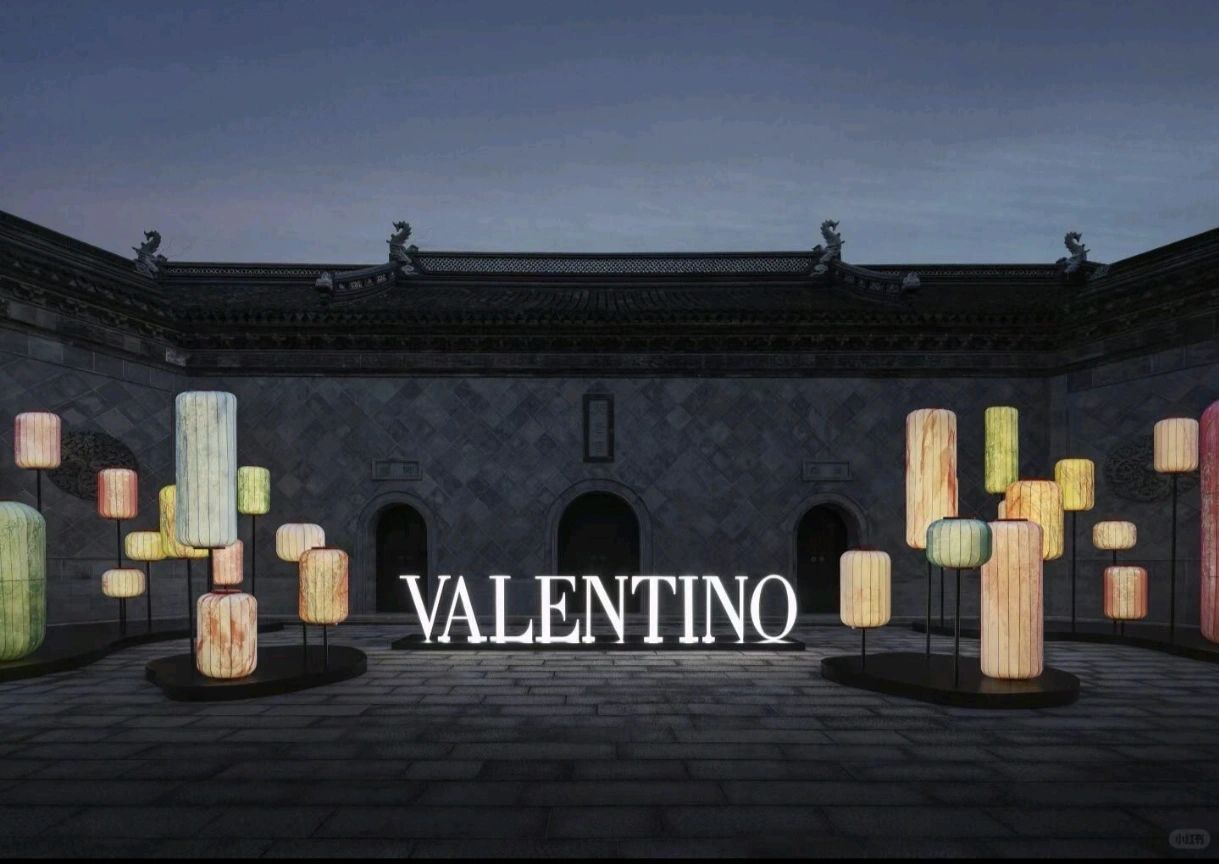
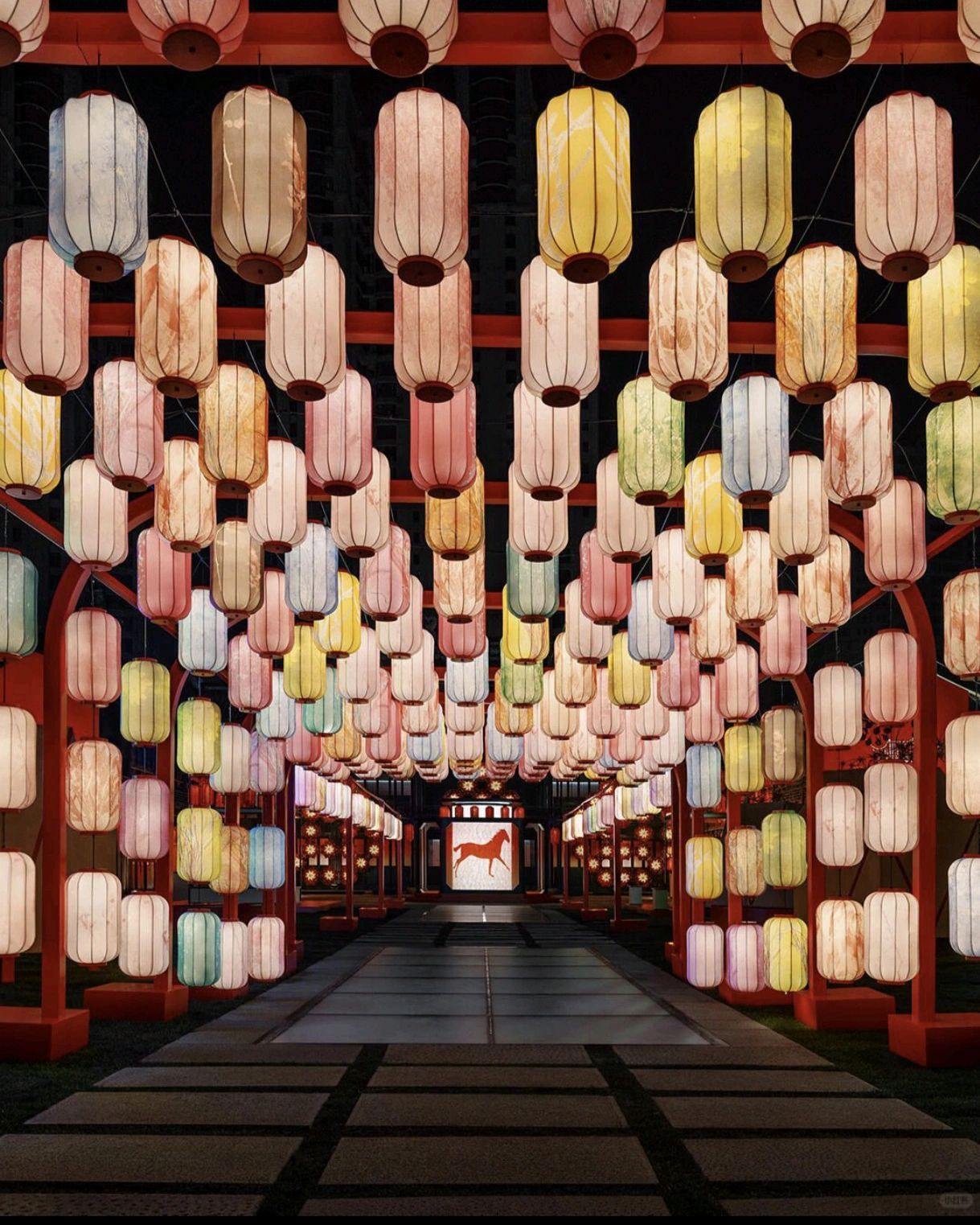
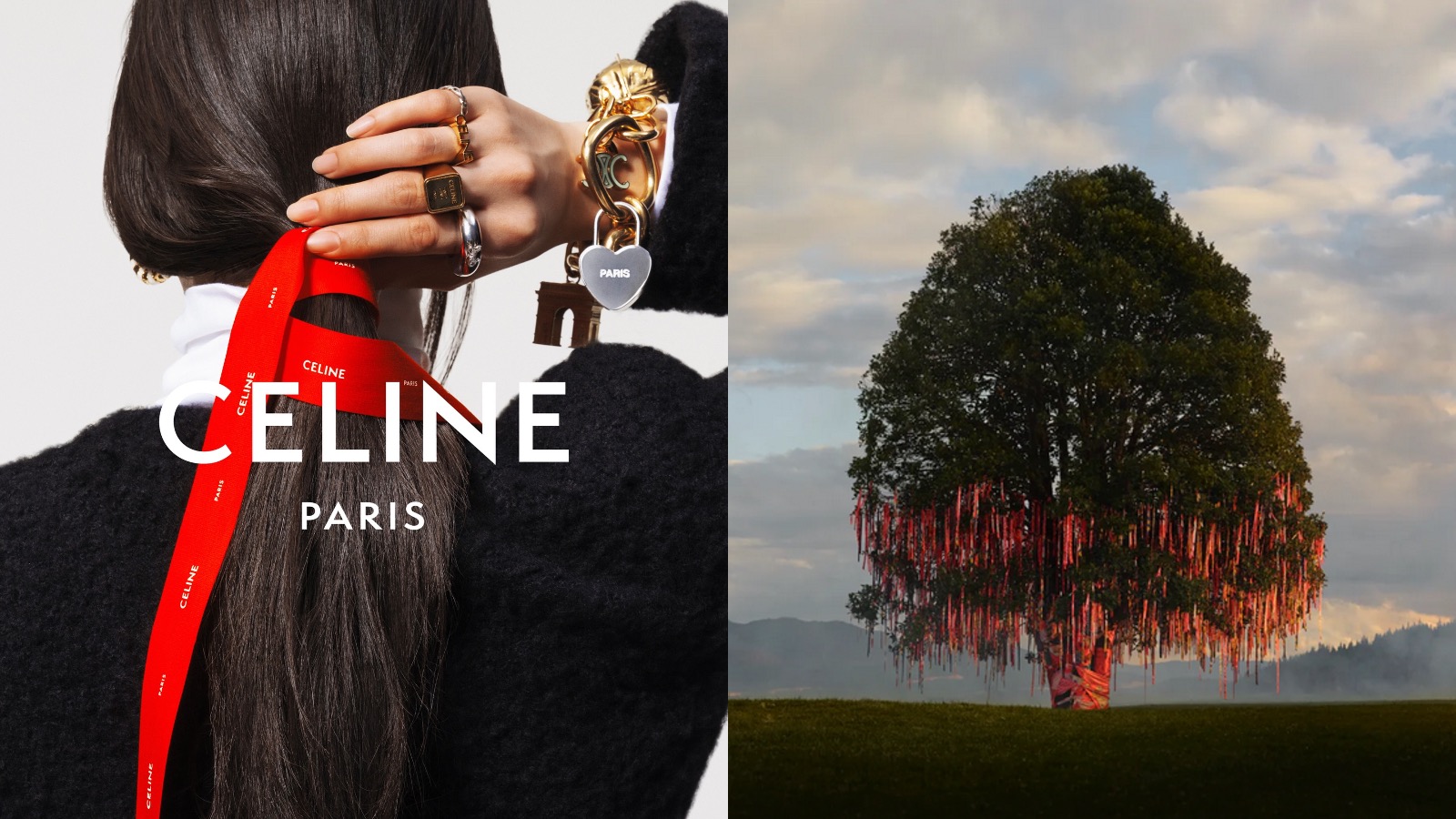
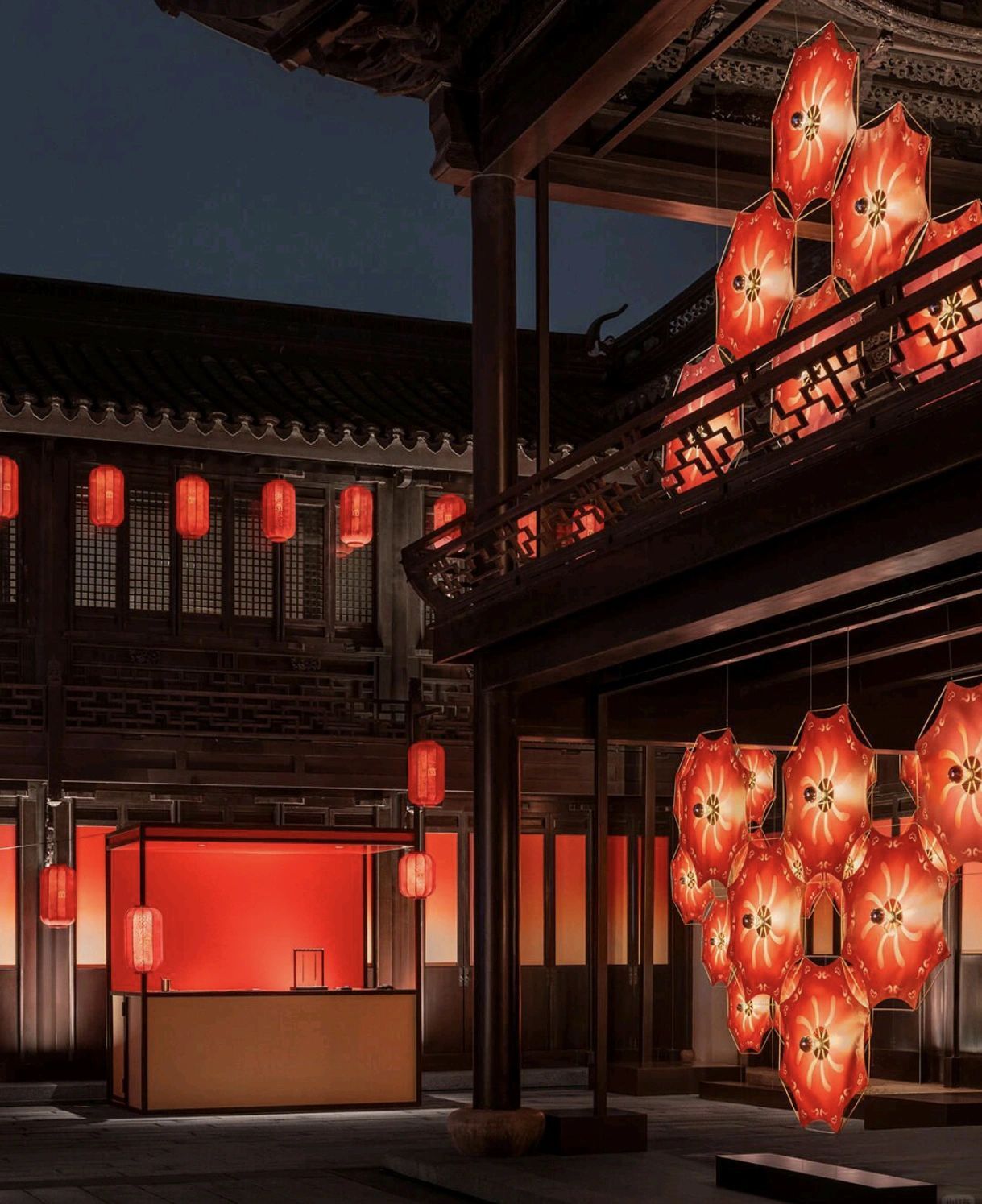
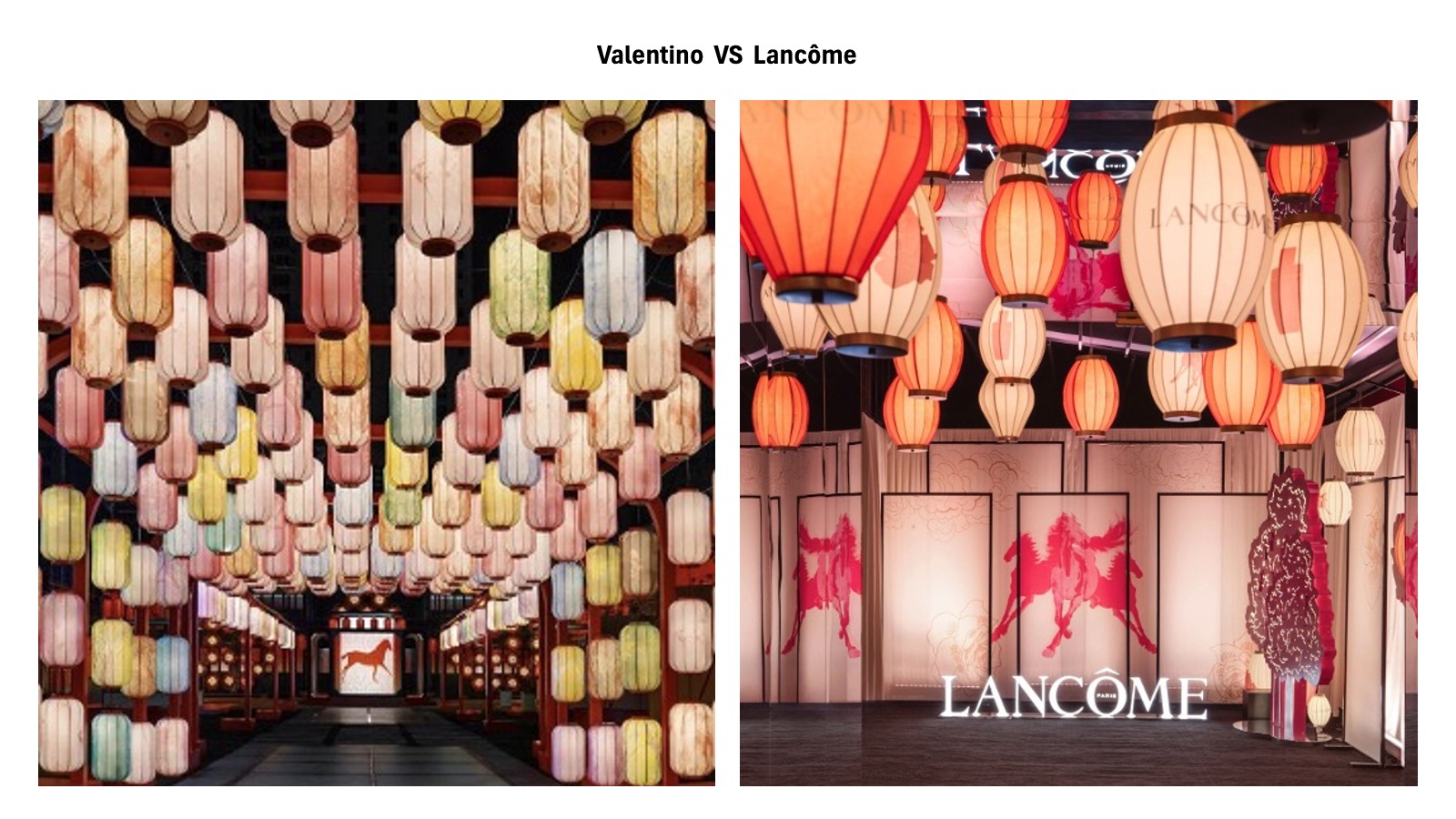
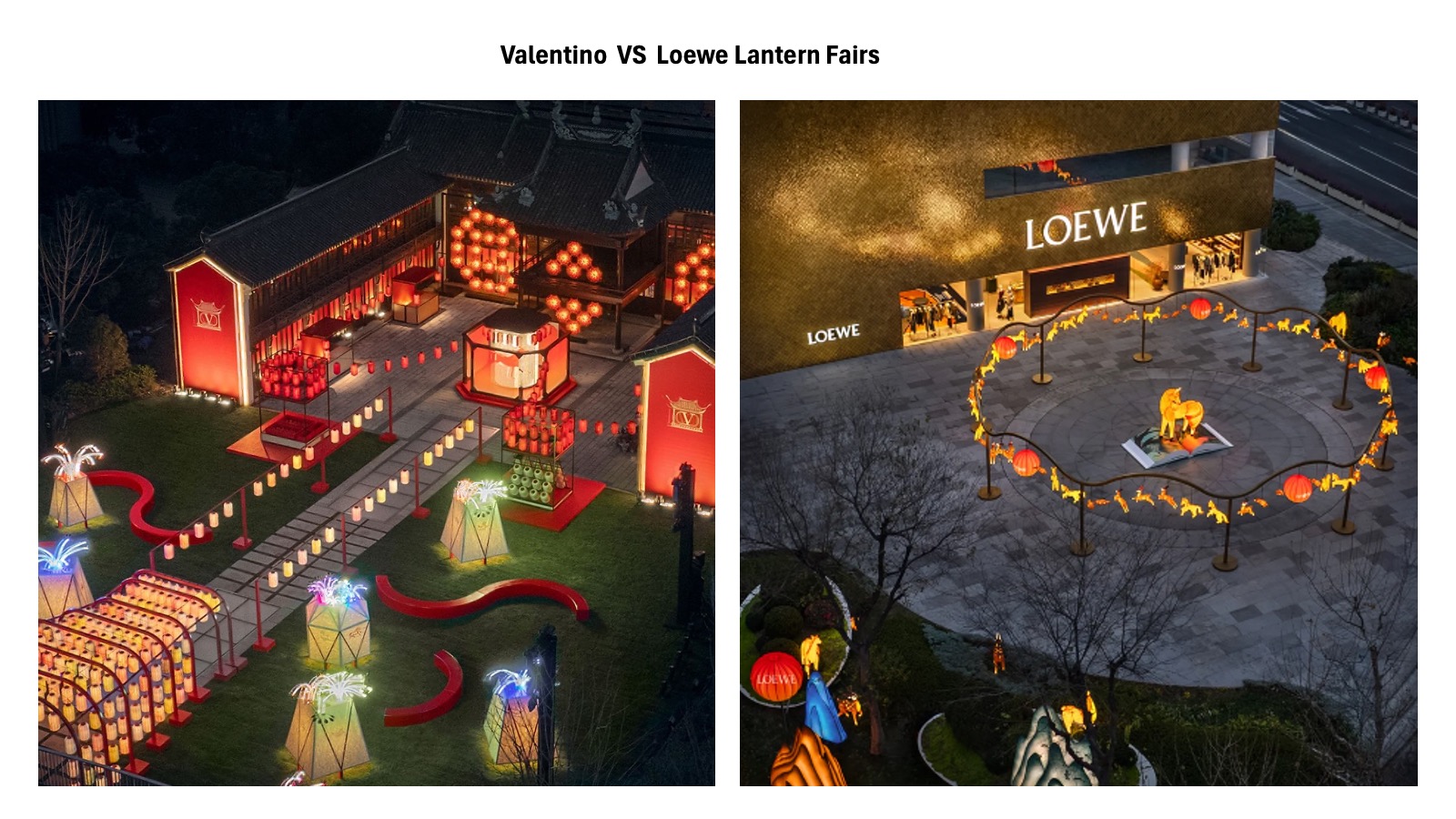
Cultural relevance is increasingly grounded in lived experience. Valentino’s lantern fair experience exemplifies how a ritual object can be transformed into an immersive cultural moment that builds emotional capital. CELINE adopts a similarly grounded approach through its wishing-tree campaign, shot in Lijiang, Yunnan, where folk tradition, landscape, and gesture converge.
-
Heritage and Craft as Cultural Proof
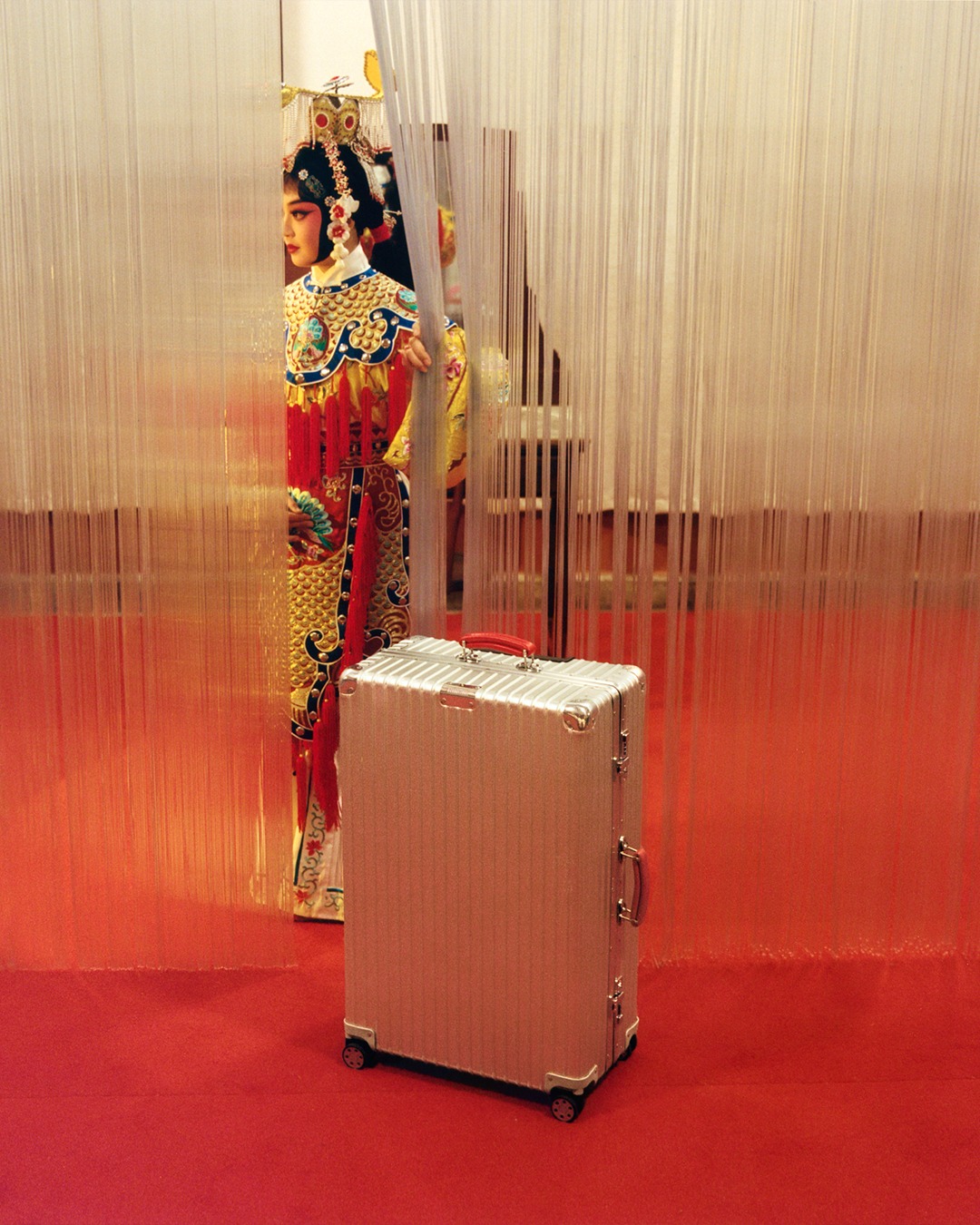
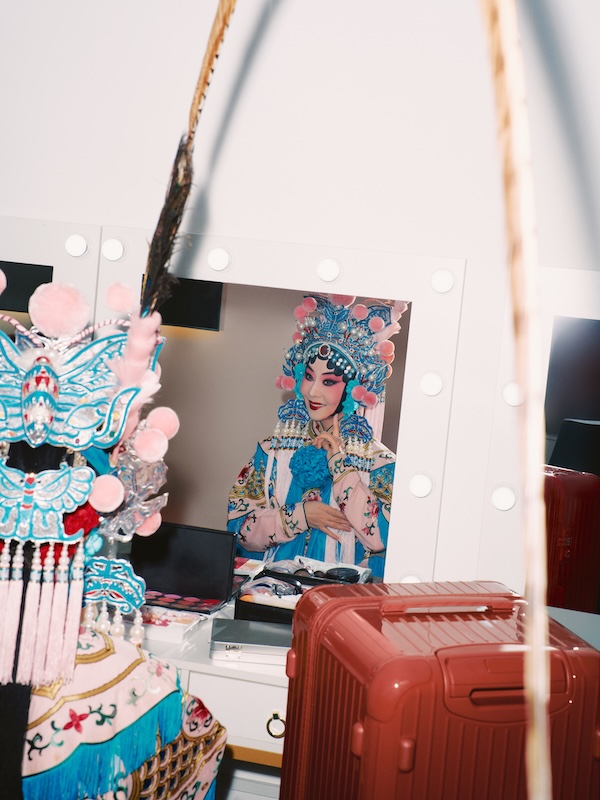
Heritage storytelling gains strength when it focuses on technique rather than nostalgia. RIMOWA’s Beijing Opera tribute links the horse to Tangma horse-riding pantomime, translating zodiac symbolism into performance craft. Burberry reinforces its cultural credibility through material heritage, collaborating with de Gournay and highlighting the texture of Xuan paper alongside artist Liao Wenjun.
MAC x Petras - Pride Month collaboration
-
From Loudness to Intimacy: How Brand Expression Is Changing
In a selective consumption climate, intimacy is often more persuasive than scale. Experience-led activations and emotionally resonant storytelling increasingly outperform loud spectacle, particularly during Chinese New Year. Compared to 2025, campaigns in 2026 prioritize experience over product, culture over decoration, and emotional depth over festive noise. This shift reflects a more mature and discerning audience in China.

-
Conclusion: Cultural Fluency as a Competitive Advantage
In this context, Year of the Horse brand campaigns illustrate why cultural fluency in Chinese New Year marketing has become a core competitive advantage in China.
Somexing Artistic supports Chinese and international brands in building culturally grounded campaigns in China, combining strategy, artist collaboration, and cultural insight into Art-driven programs designed for moments of high visibility.