Photography & Brands: Beyond the Image
Photography is everywhere in brand communications. Yet collaborating with a photographer is about more than producing campaign images. It means inviting an artist’s perspective: a distinctive way of portraying people, capturing an era, interpreting a culture or exploring the photographic medium itself.
From Luo Yang’s portraits to the Beijing Silvermine archive, from Magnum Photos commissions to Birdhead’s compositions, these practices have little in common beyond one essential point: photography is an artistic discipline in its own right, not merely a communications tool. That distinction changes the nature of the collaboration.

Table of Contents
-
Intimacy and the Everyday: Ordinary Life as Artistic Material
An absurd street scene, an awkward gesture, an unguarded portrait: the most memorable images are not always the most carefully staged. Photographers have long found visual and social substance in everyday life, where advertising often seeks to smooth away imperfections.
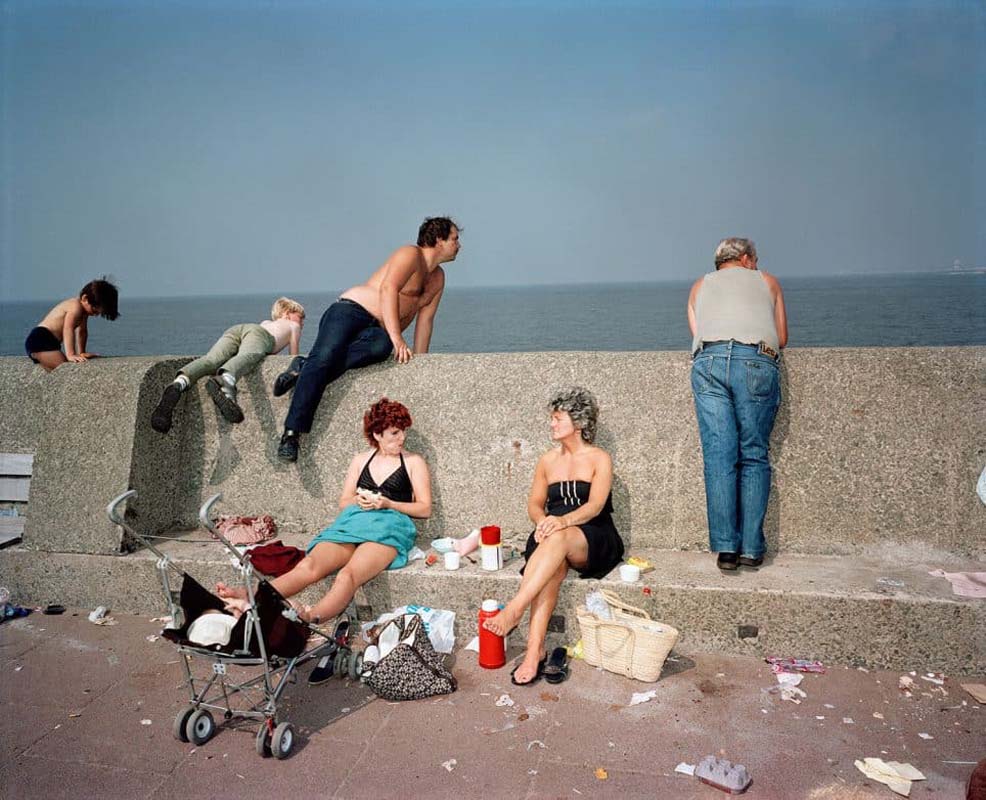
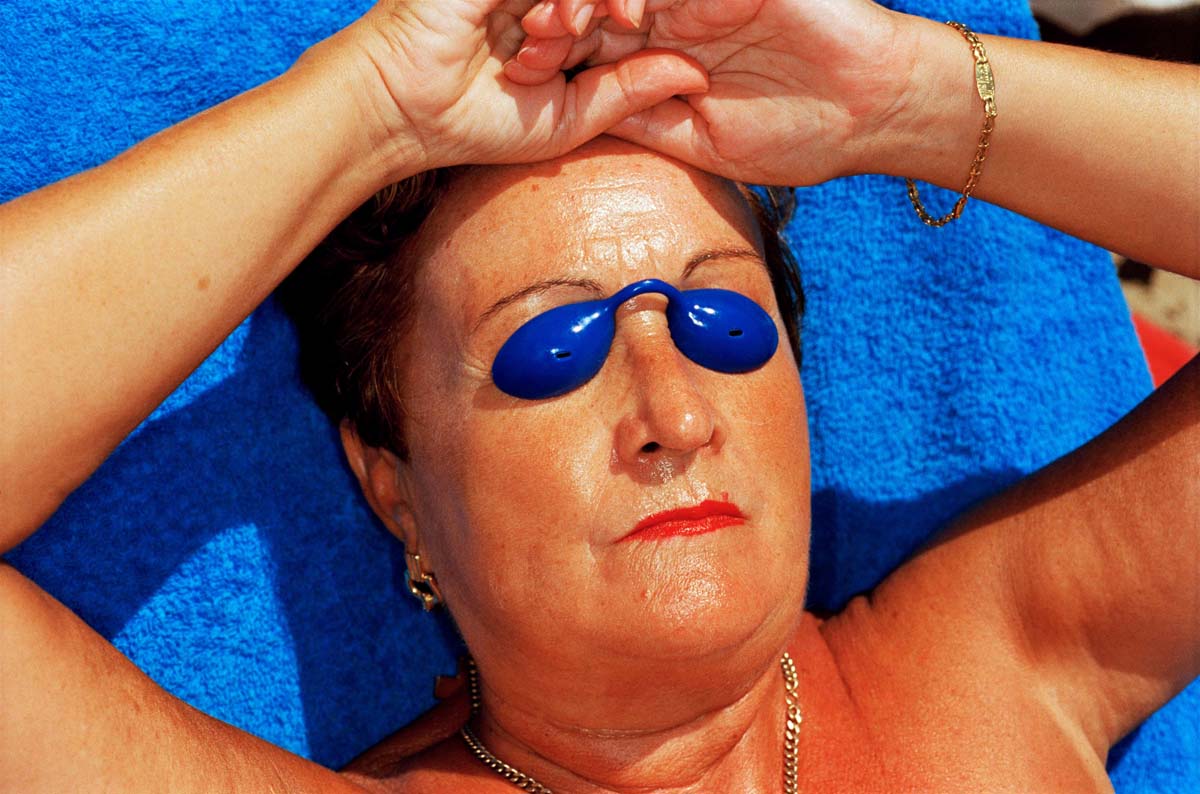
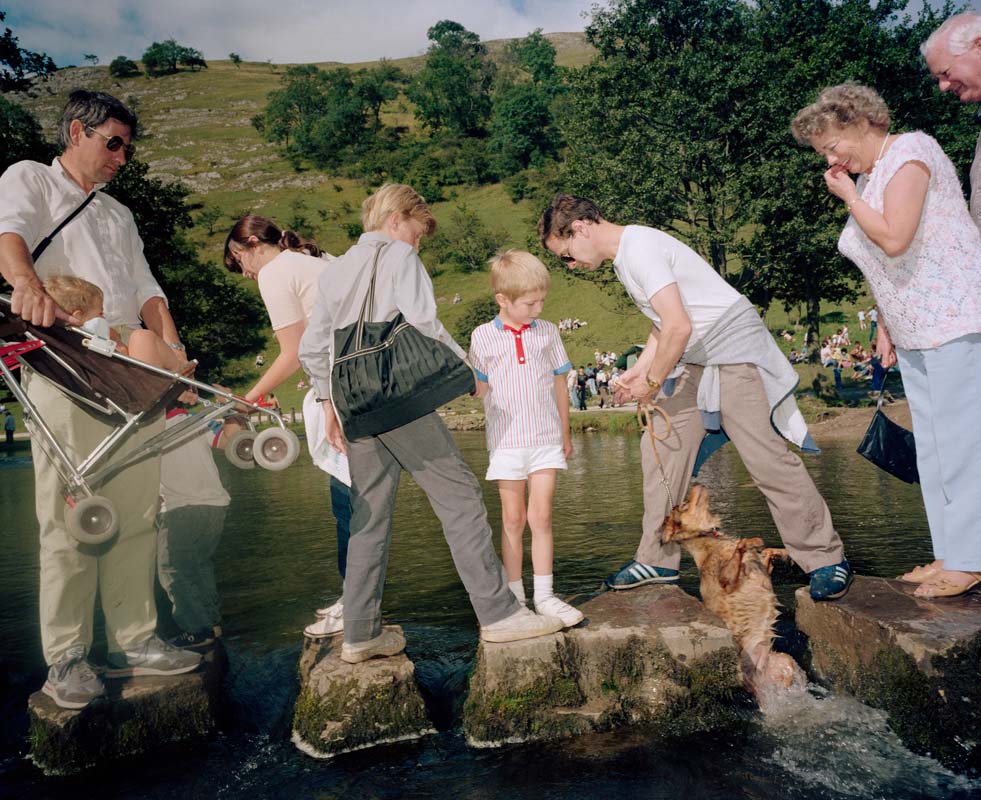
Martin Parr observes leisure, consumption and collective behavior through humour, saturated color and an eye for detail. Similarly, in White Night, Feng Li captures the fleeting strangeness of urban life. Neither sets out to idealize reality; instead, their photographs reveal its contradictions.
-
Intimacy raises a different question: who is being portrayed, and how?
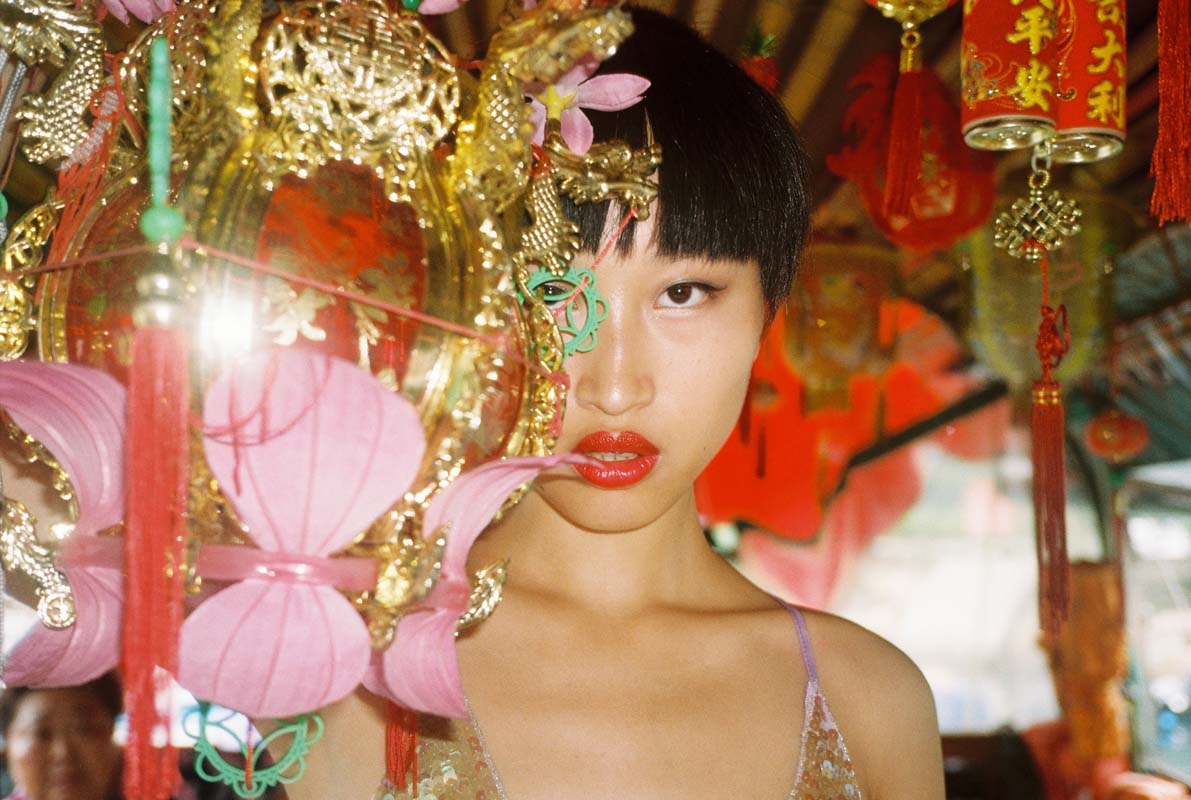
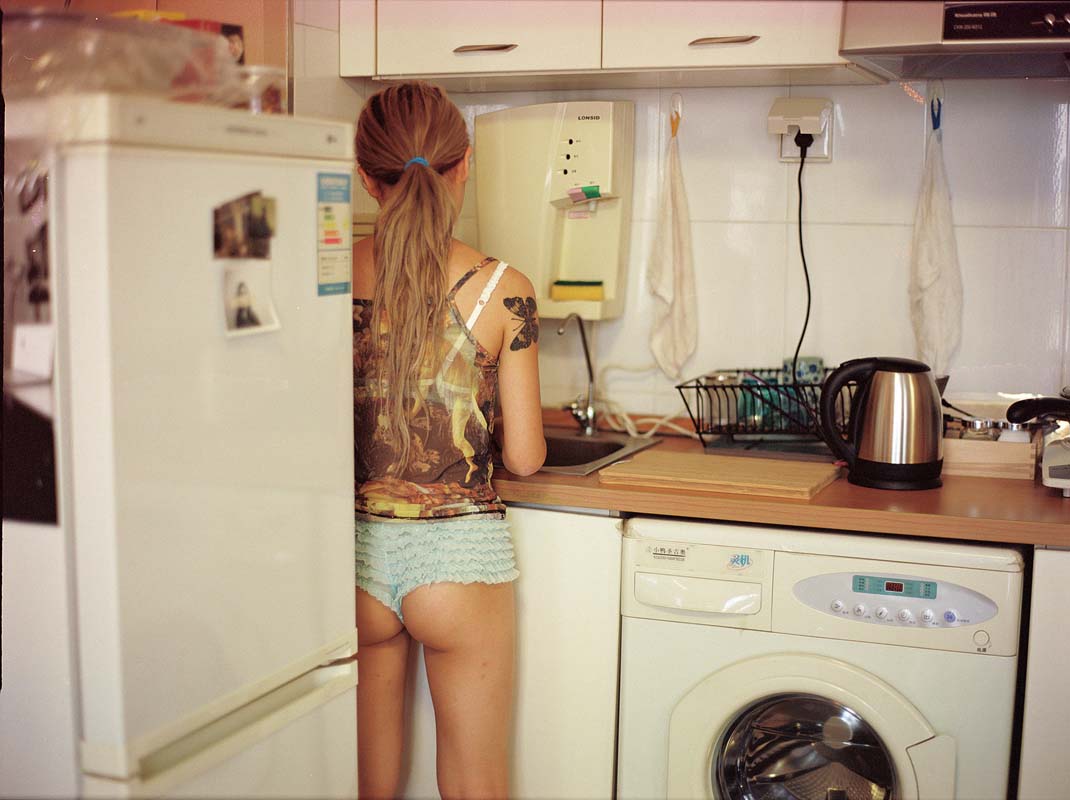
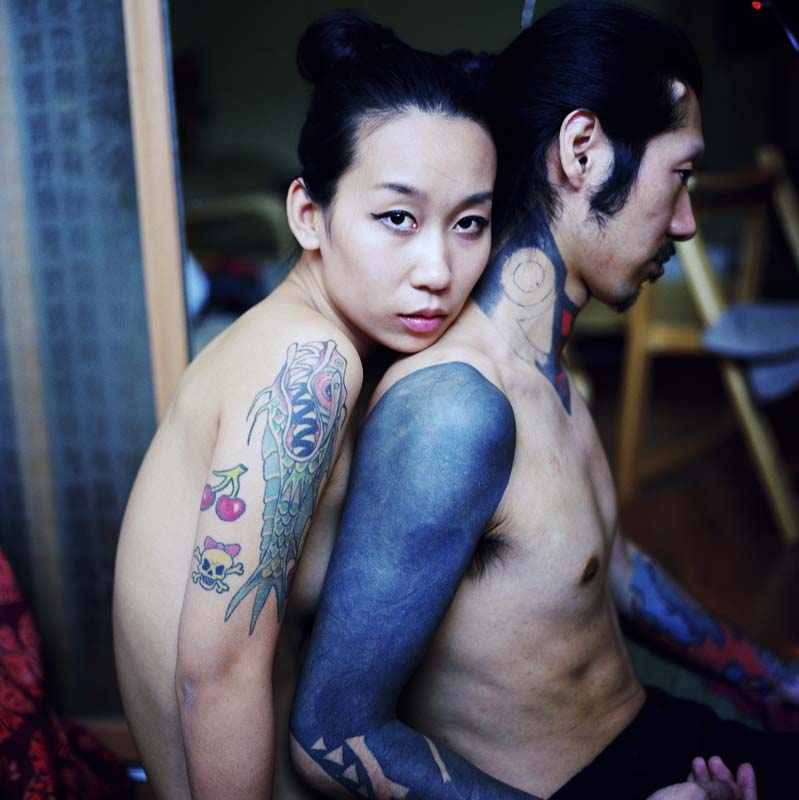
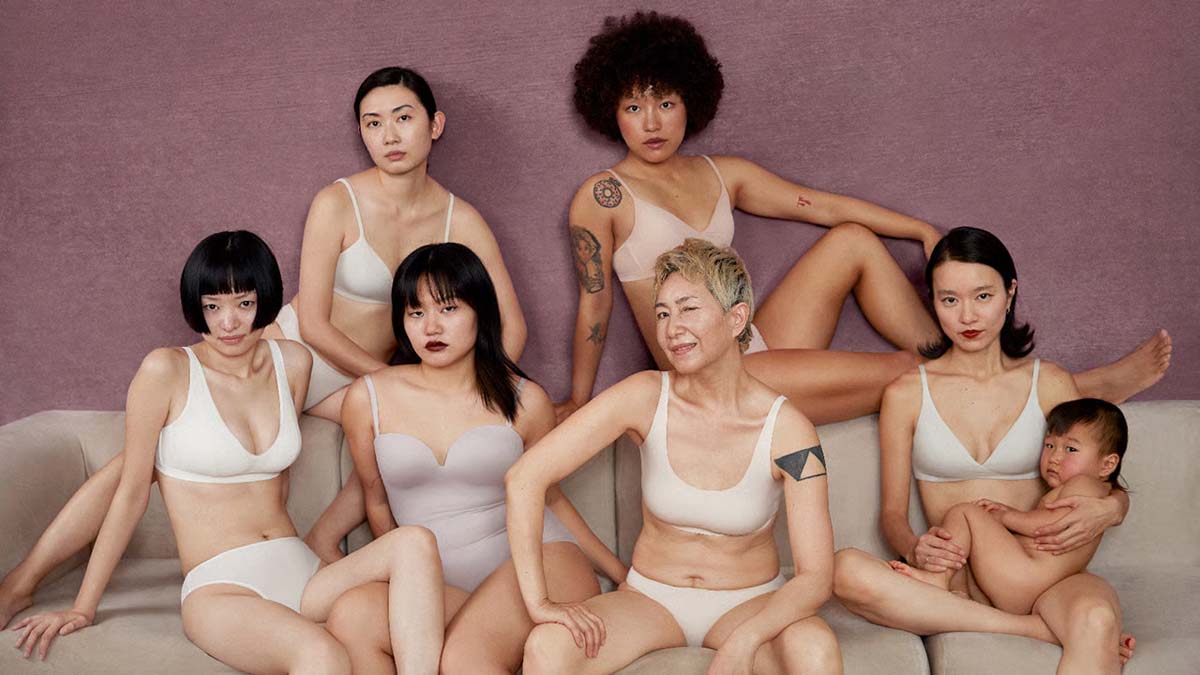
In GIRLS and later YOUTH, Luo Yang photographs young women and new generations in China, attending closely to their gestures, bodies and identities. Her collaboration with NEIWAI extends an exploration of femininity and representation at the heart of her photographic practice.
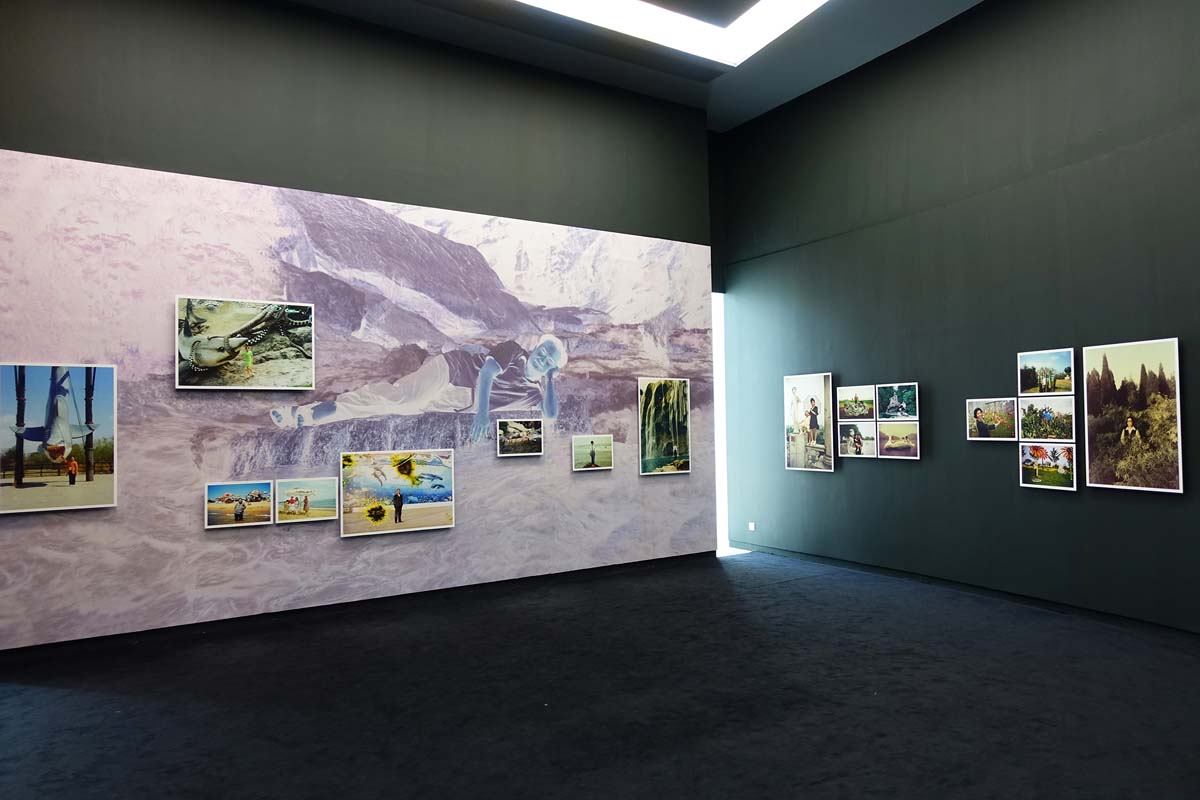
The same attention to individuals and social change runs through HUMANS, one of the themes in Sinoscope, a series of thematic printed exhibitions developed by Isabelle Gavalda and Lucille Enel. The project brings artistic perspectives on contemporary China into dialogue, between personal experience and broader social questions.
-
For brands, the aim is not to manufacture the appearance of spontaneity, but to work with an artist whose perspective renews the way their audiences are represented, even when that means departing from familiar visual codes.
-
Youth and Generations: Photographing Emerging Cultures
Before it becomes a “target audience”, a generation develops its own references: clothes, music, meeting places and ways of using images. Photographers document these shifts and help shape their visual language.
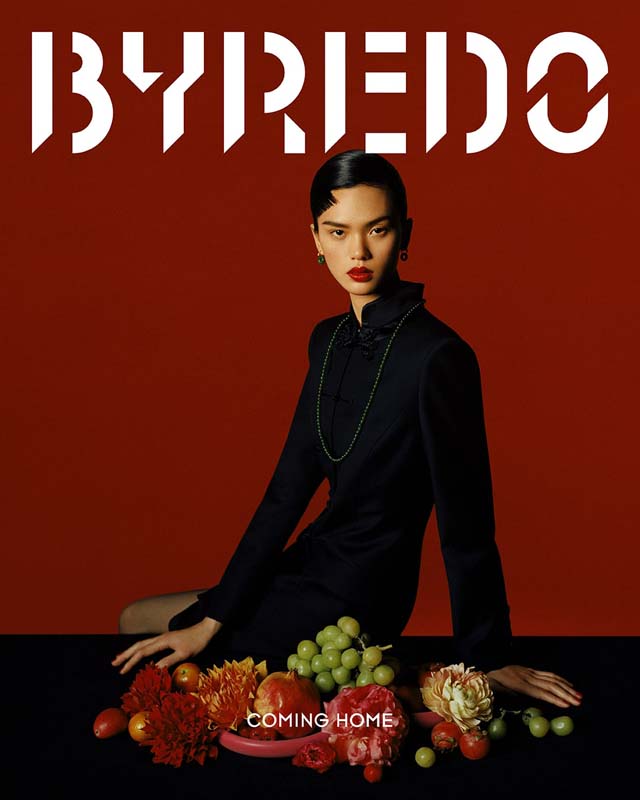
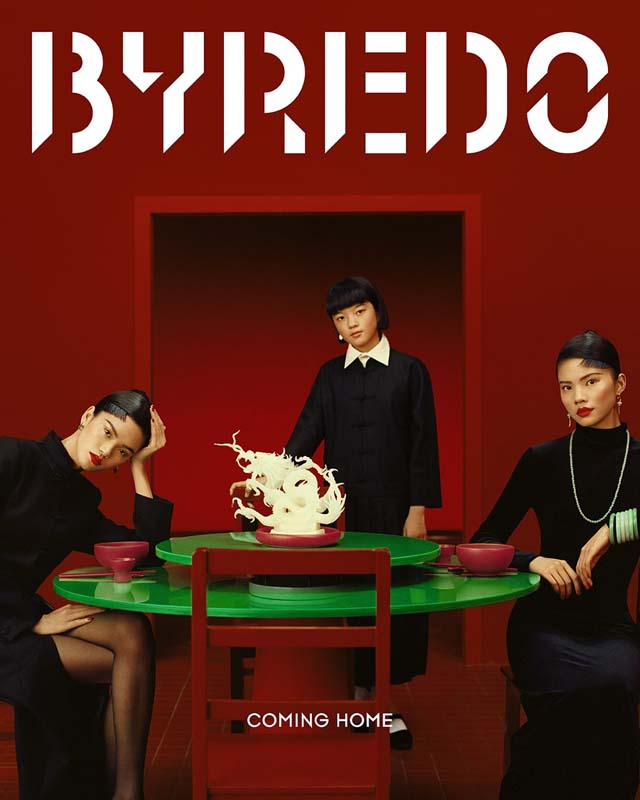
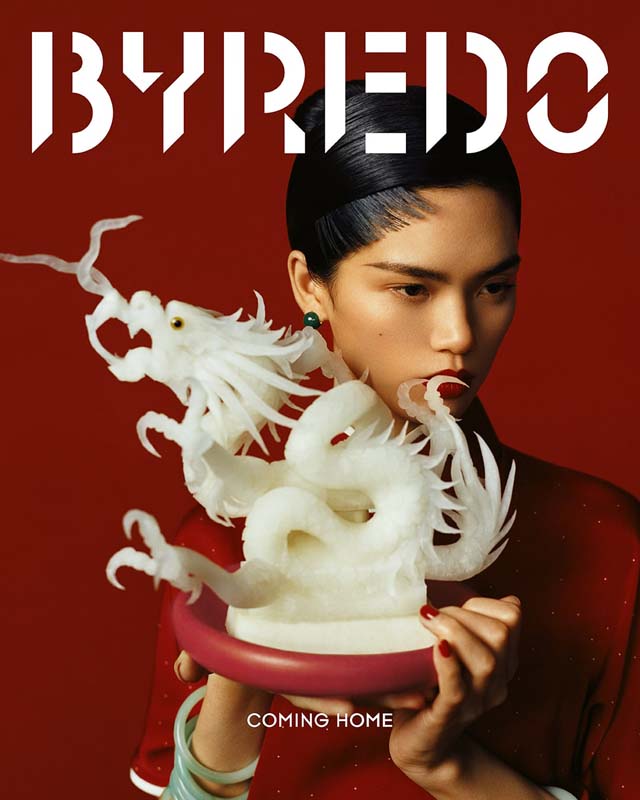
In China, Luo Yang explores changing representations of youth and women, resisting any uniform portrait of a generation. Meanwhile, Leslie Zhang has developed a more constructed visual language, marked by intense color, cinematic staging and references to Chinese visual memory. When working with Byredo, he draws on this personal universe without resorting to cultural clichés or conventional codes for a local campaign.
-
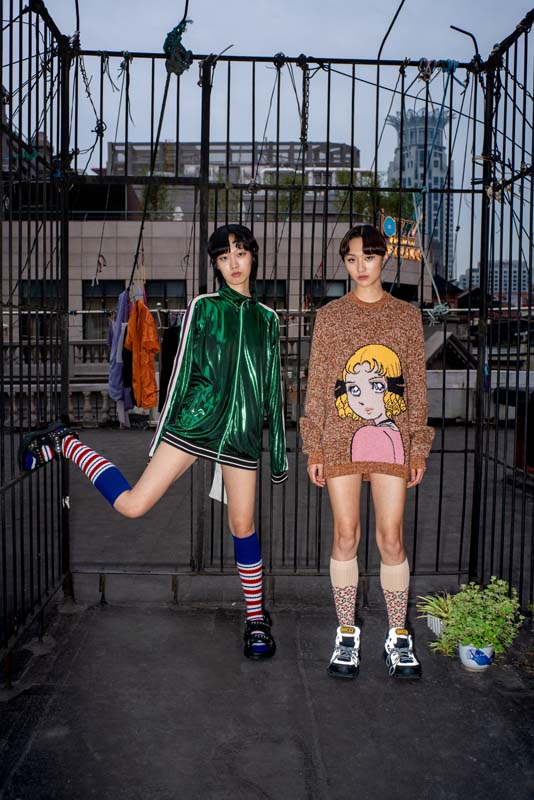
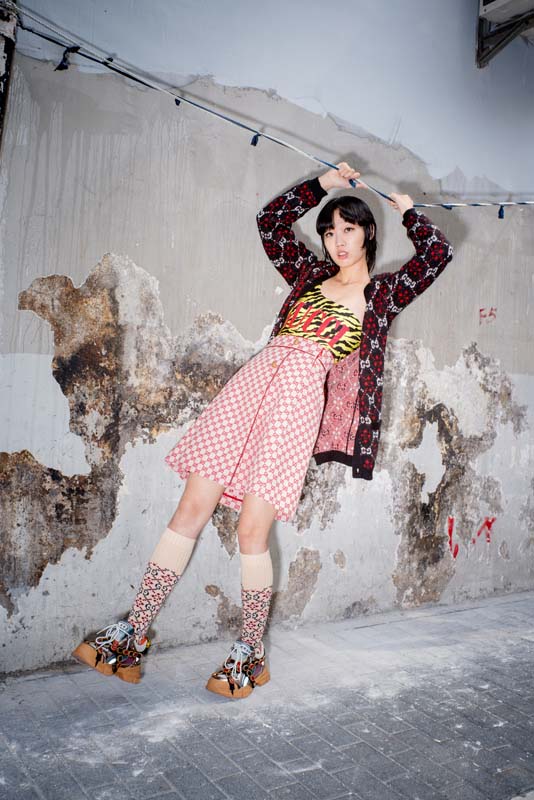
Feng Li takes another route. His offbeat scenes and chance encounters, including those in his fashion work with Burberry and Gucci, resist formulaic depictions of youth. This freedom gives brands instantly recognisable images, far removed from industry conventions.
-
Working with a photographer from a particular cultural scene does not, in itself, guarantee a convincing project. Instead, an understanding of the context, the artist’s creative freedom and the relevance of the encounter matter more than geographical origin. For example, a campaign for the Chinese market need not multiply traditional symbols to speak about contemporary China.
Ultimately, these collaborations matter because they capture sensibilities in motion, rather than confining a generation to a single aesthetic.
-
Archives and Nostalgia: What Photographs Reveal About an Era
Family albums and forgotten negatives preserve histories missing from official accounts: interiors, clothes, meals, holidays, everyday gestures. Over time, such details become a record of an era.
Beijing Silvermine: From Private Pictures to Collective Memory
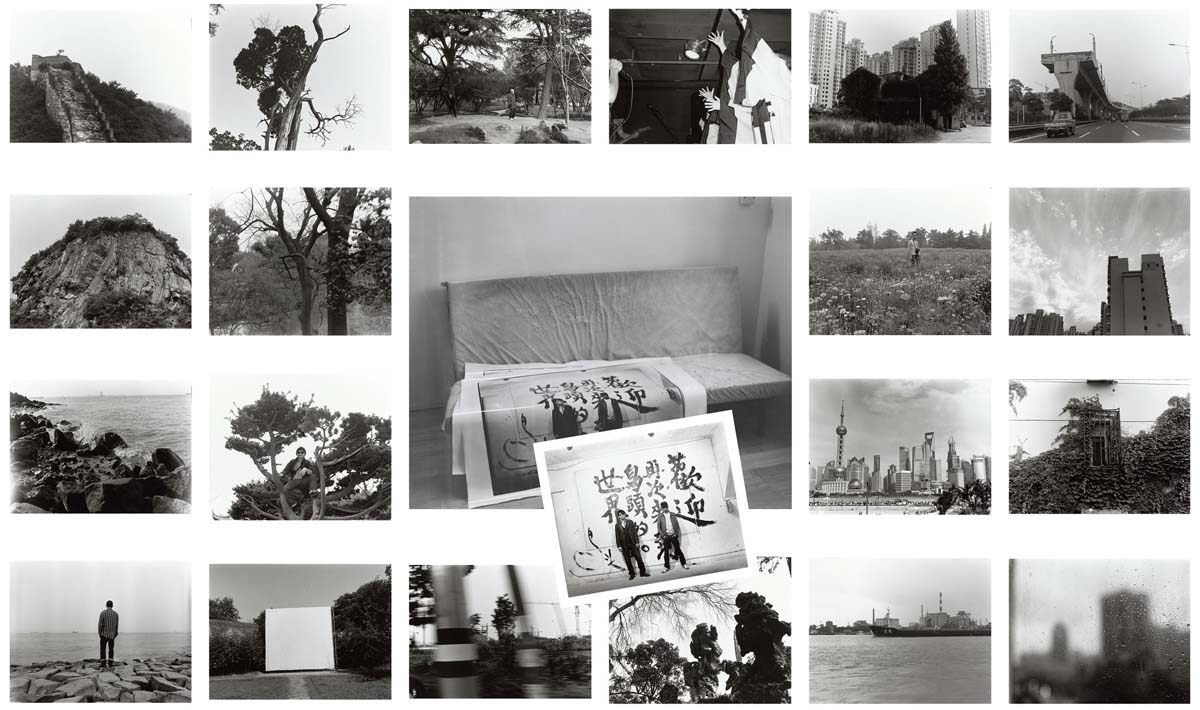
Since 2009, Thomas Sauvin has collected negatives destined for recycling in Beijing. Beijing Silvermine brings together decades of amateur photography: weddings, celebrations, portraits, travel and domestic scenes. Originally made for private use, these images, once assembled, edited and exhibited, form a compelling visual account of recent Chinese history.
Beyond nostalgia, the project shows how private photographs become collective documents. Through selection, classification and editing, they acquire new meaning. The archive is therefore not simply a source of visual inspiration; it becomes material for research and creation.
-
For a brand, looking to the past should mean more than applying retro filters or vintage colors. For example, a photographic collection can inspire a publication, an exhibition, research into everyday practices or a project about the memory of a place. However, the provenance of the images, usage rights and the context of the people portrayed remain essential.
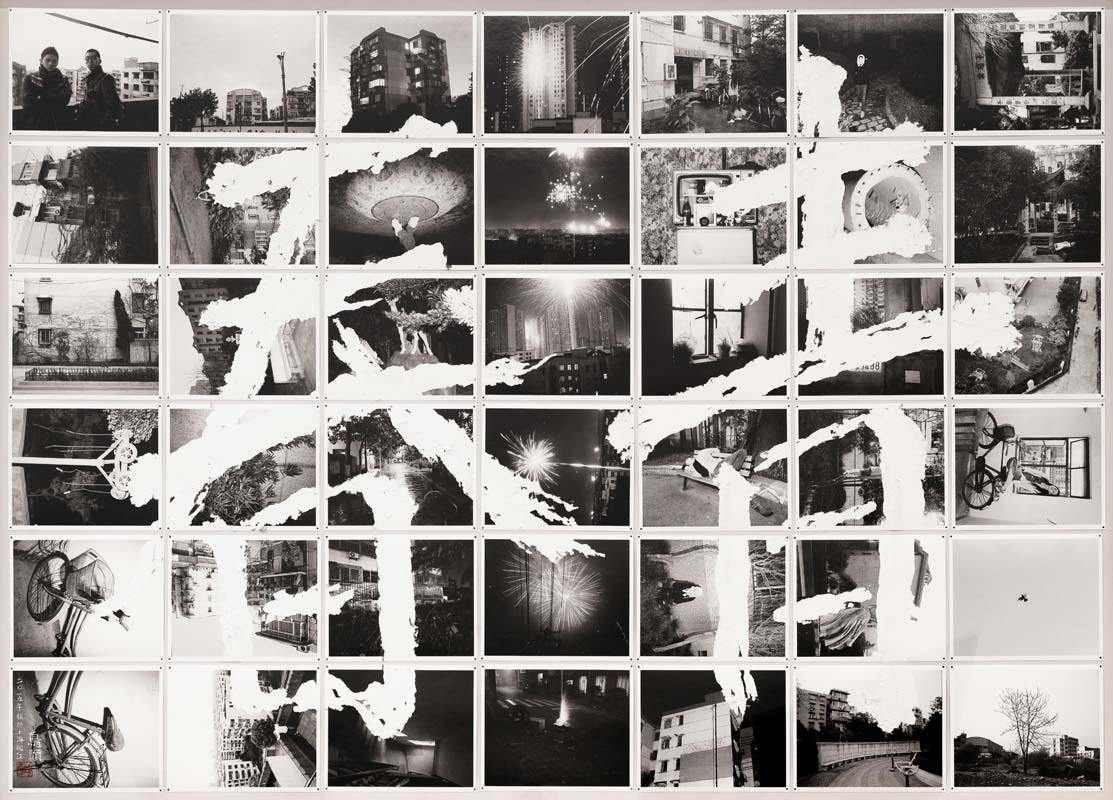
Birdhead approaches memory differently. The Shanghai-based duo combines photographs of its surroundings, fragments of everyday life and handmade interventions in densely layered compositions. Accumulation and montage matter as much as any individual image: photography becomes a way of reconstructing lived experience.
Together, these approaches invite brands to explore memory without merely reproducing the past, leaving artists free to reinterpret it.
-
Beyond Advertising: Photography as a Cultural Project
What if a brand gave a photographer a subject to explore rather than a product to stage? The commission could become an exhibition, a book, a documentary series or a work in its own right, reaching beyond the scope of a campaign.
Veuve Clicquot × Magnum Photos: Interpreting the Sun
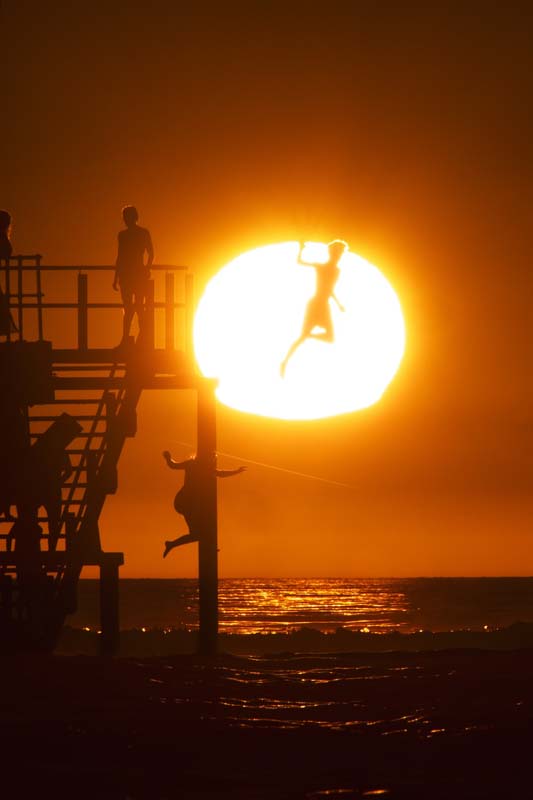
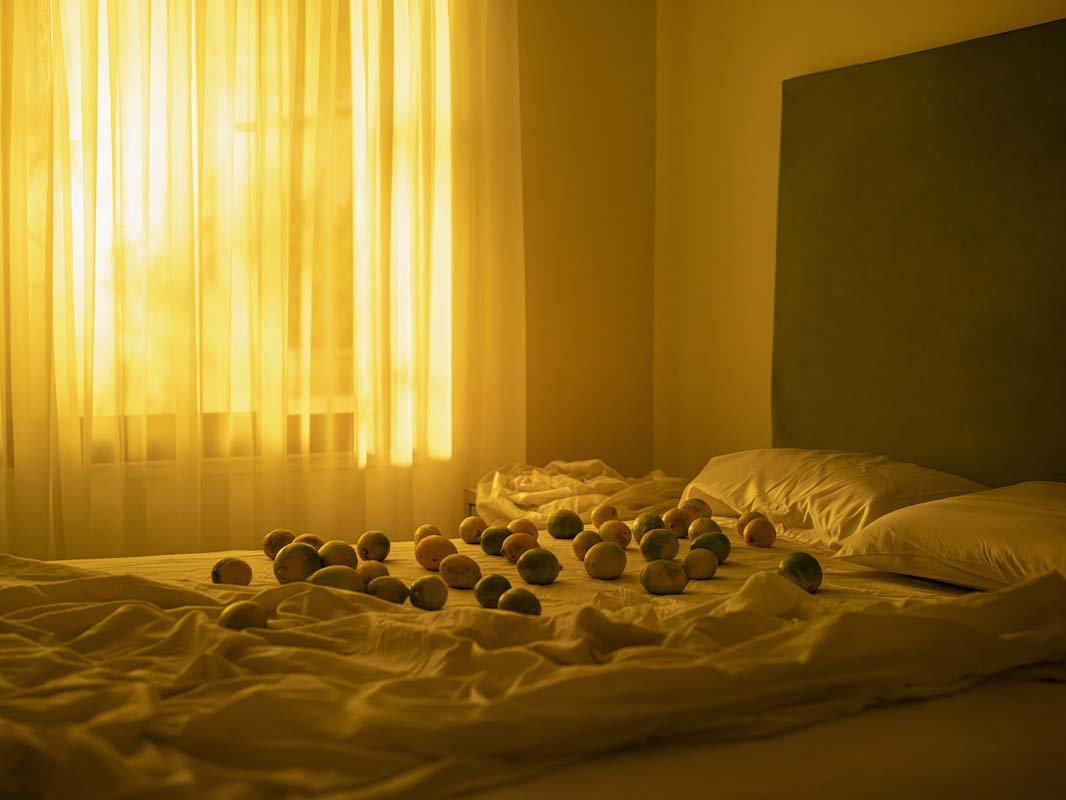
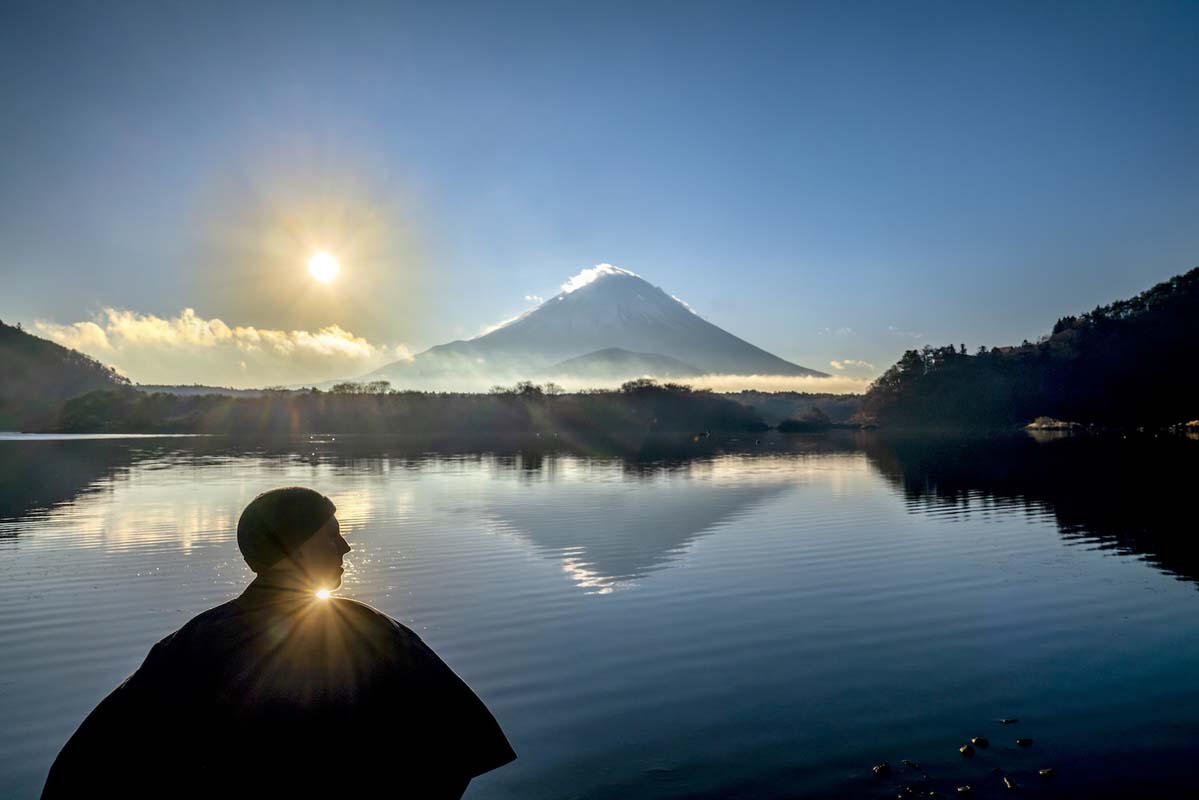
For Emotions of the Sun, presented in Milan in 2024, Veuve Clicquot invited eight Magnum Photos photographers to explore the sun and the emotions it evokes. The subject echoes the house’s signature yellow without prescribing a visual style. As a result, each photographer approaches light through their own landscapes, situations and human experiences.
The project succeeds through this balance: the connection to the brand remains visible without dictating the images. In this way, an element of brand identity becomes the starting point for an artistic commission then an exhibition that circulates beyond advertising.
-
Moncler × Liu Bolin × Annie Leibovitz: Photography Meets Performance
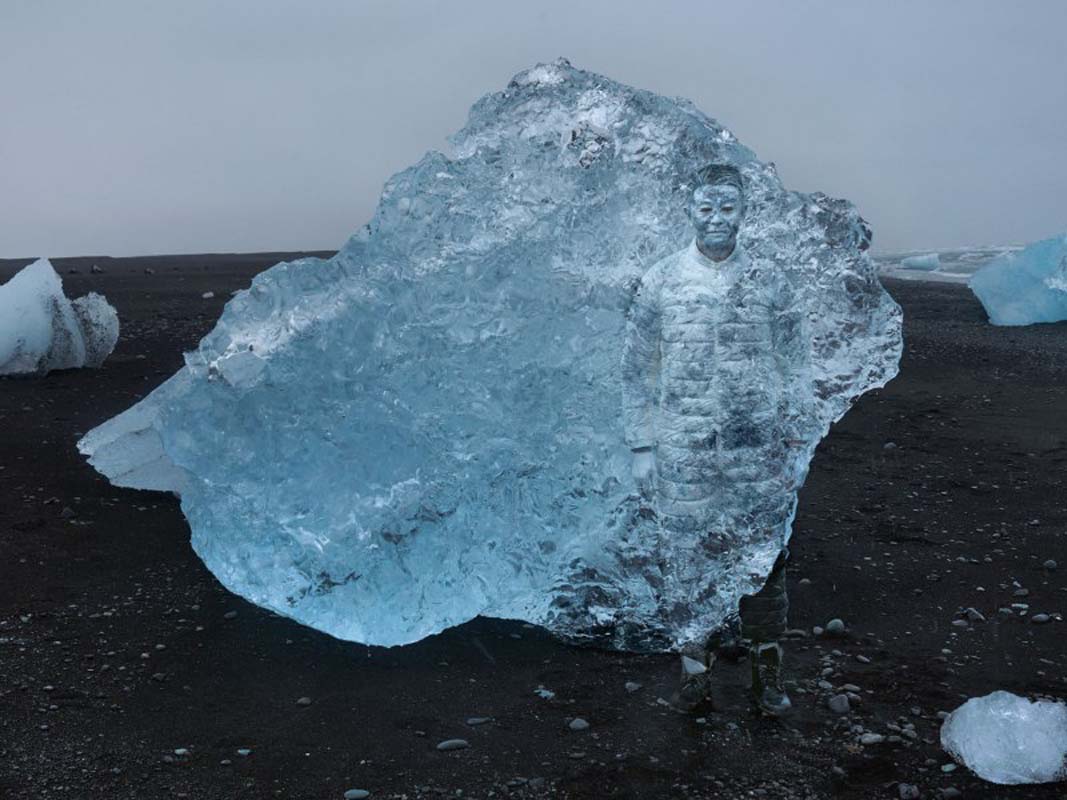
In 2017, Moncler collaborated with Liu Bolin, photographed by Annie Leibovitz. Known for his camouflage performances, the Chinese artist paints his body to blend into his surroundings, questioning visibility and the individual’s place in society. Body painting, performance, photography and fashion converge in an image that goes beyond the conventional advertising portrait.
-
Hassan Hajjaj, meanwhile, creates photography informed by fashion, music, everyday objects and Moroccan and international popular cultures. His frames, often assembled from consumer products, are integral to the works. Image and frame together examine cultural exchange and representation.
These examples show how a brand can support work whose subject reaches beyond its products. The strength of the project depends on the dialogue between the brand’s world and the artist’s, far more than on the visibility of a logo.
-
Beyond the Frame: Photography Becomes Material
Photography no longer belongs exclusively on paper. Some artists engrave, fragment or print images onto unexpected surfaces, while others combine them with craft or digital techniques. As a result, the image becomes an object, surface, volume or installation, opening new possibilities for design, packaging and spatial environments.
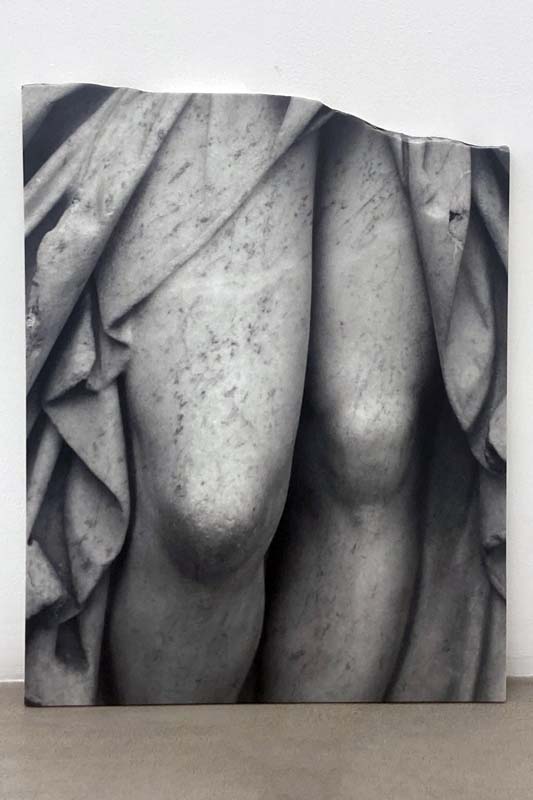
Dune Varela transfers images onto marble, ceramic or concrete, then alters their surfaces. Cracks and traces of wear inscribe the passage of time into the work. Meanwhile, Antony Cairns uses materials including aluminium, obsolete punch cards and electronic-ink devices to present his urban photographs. In both practices, the support shapes the meaning of the image.
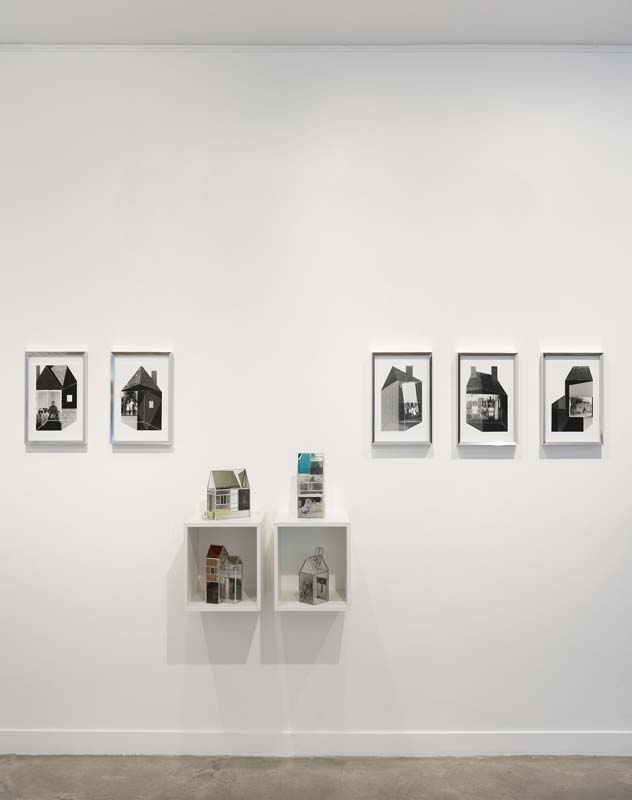
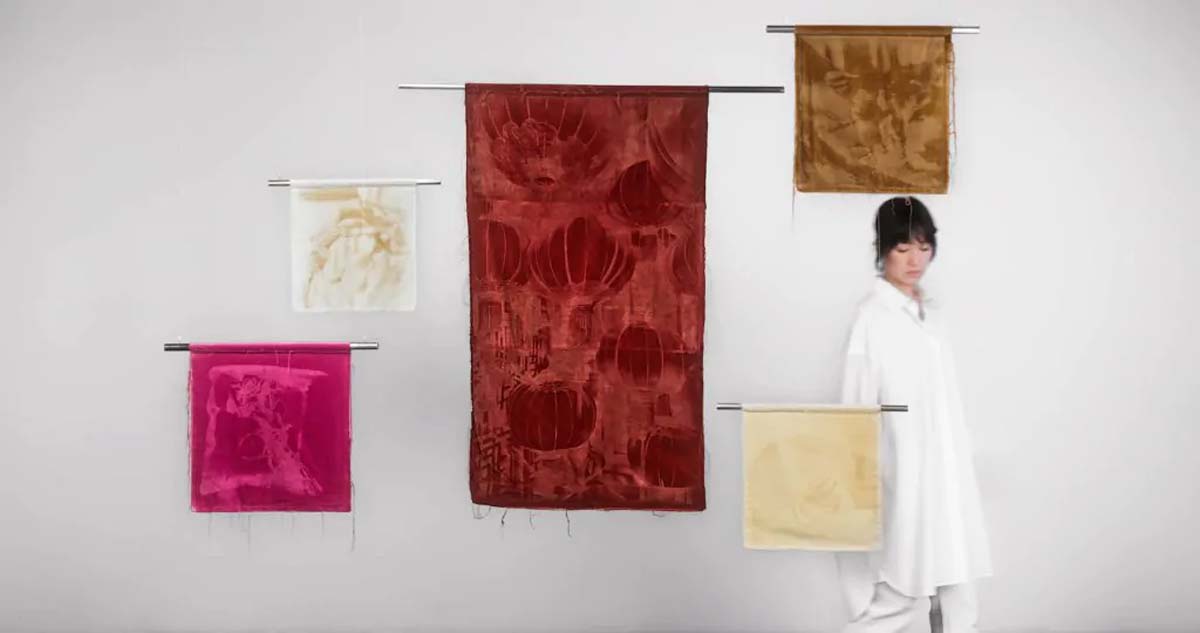
Building on this exploration, experiments with glass, layering and image reconstruction open further possibilities. Juliette Leperlier, Anaïs Boudot, Duoduo Huang, Thomas Devaux and Lisa Sartorio offer distinct directions to illustrate, with due attention to each artist’s techniques. Through these approaches, collage, reworked photographs and hybrid practices blur the boundary between image and object.
-
Birdhead × Maison Margiela Fragrances: From Image to Object
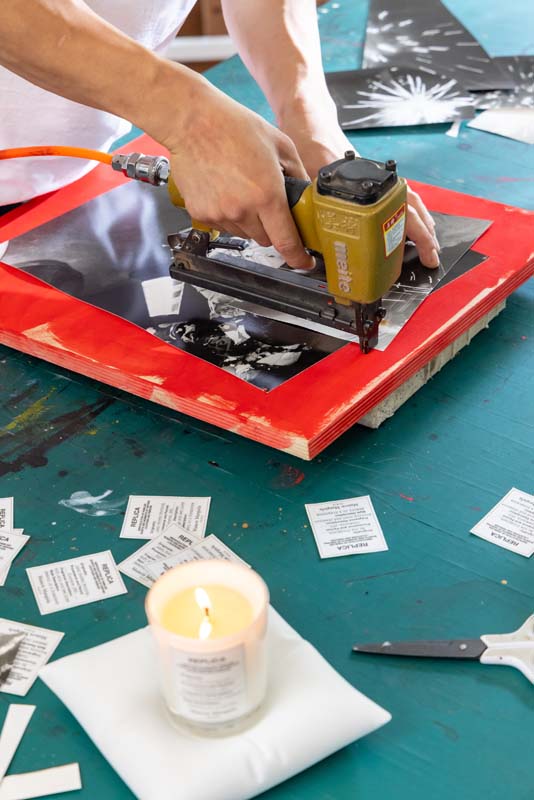
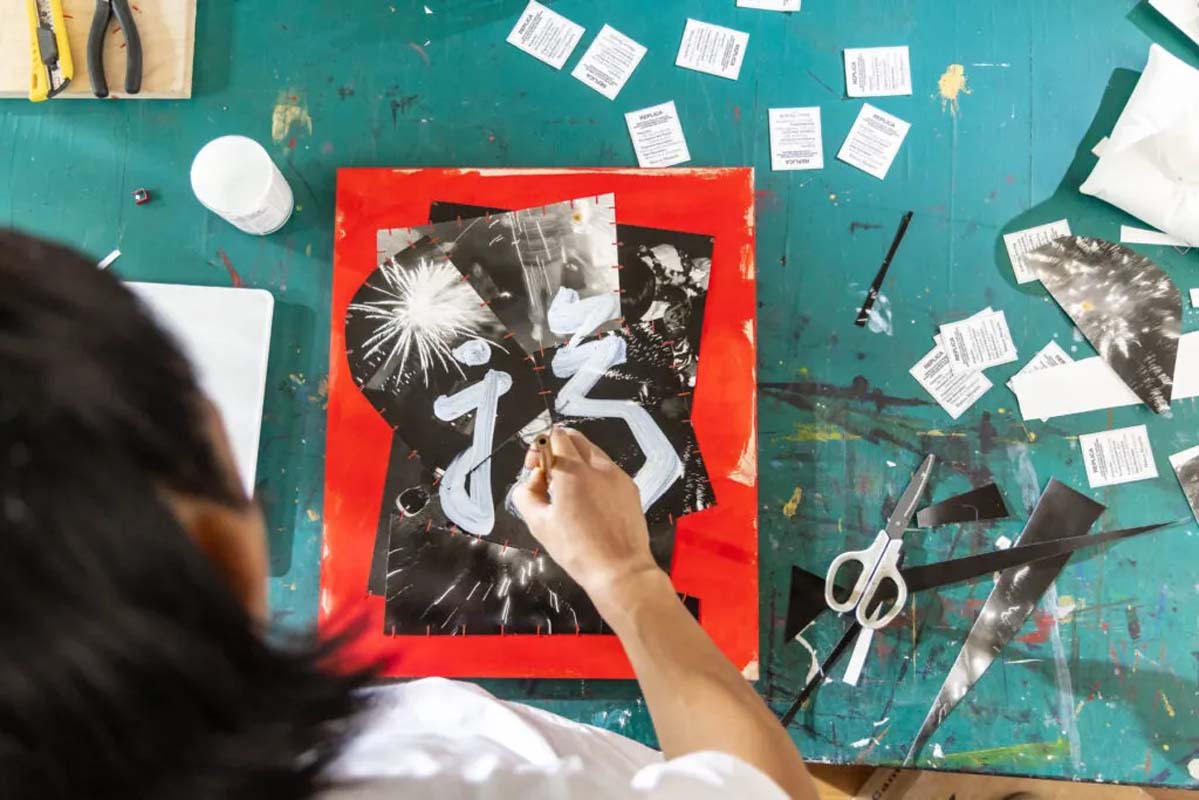
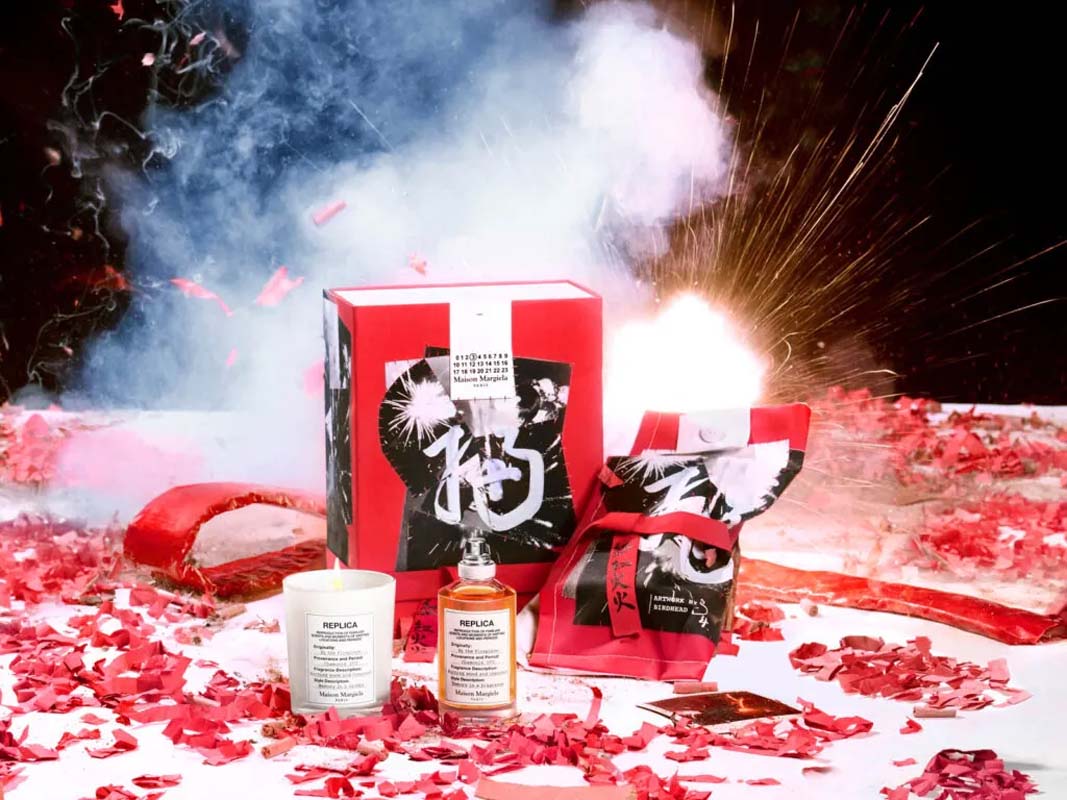
The collaboration between Maison Margiela Fragrances and Birdhead, developed with Somexing Artistic, illustrates this shift. The duo combines analogue photography, printing, cutting and assemblage. For a Chinese New Year edition, its visual language extended across packaging and campaign imagery.
This was not a matter of placing a photograph on a bottle or box. Instead, the artists’ process itself — framing, developing, cutting, assembling and intervening by hand — guided the creative direction. As a result, their visual language moved across formats, from artwork to product.
For luxury houses, this approach offers tangible possibilities: limited editions, collectible objects, printed surfaces, window displays, installations and artist publications. The question then shifts from “Which image should we choose?” to “How can an artistic practice take shape in an object or space?”
-
From Image to Experience: New Forms of Collaboration
Brands already produce an abundance of images. What distinguishes an artistic collaboration is less the number of photographs delivered than the nature of the commission and the place given to the artist.
An editorial commission can explore a craft, a place or a community without adopting the conventions of corporate reportage. A portrait series can accompany a launch while standing as an independent body of work. Archives can become a publication or exhibition; an experimental practice can inspire an object, packaging or installation.
Campaigns, short films, books, prints, exhibitions, scenography, events, capsule collections and patronage: the formats are varied. From Les Rencontres d’Arles to Paris Photo, from Polycopies to the Maison Européenne de la Photographie, fairs and institutions remind us that photography has its own venues, audiences and channels of circulation.
Three questions help shape the project: What subject does the brand want to explore? Which artist has a practice suited to that subject? Which format will respect the artist’s approach while meeting the commission’s requirements? Image selection comes afterwards.
A specialist agency supports that encounter through artist research and selection, the development of the commission, creative dialogue, rights management and production oversight. At Somexing Artistic, a curatorial approach meets the needs of brands without reducing the artist to an image supplier.
Documenting the present, revisiting memory, inventing new forms: photography offers brands many avenues for creation, provided the artist’s perspective comes first.